
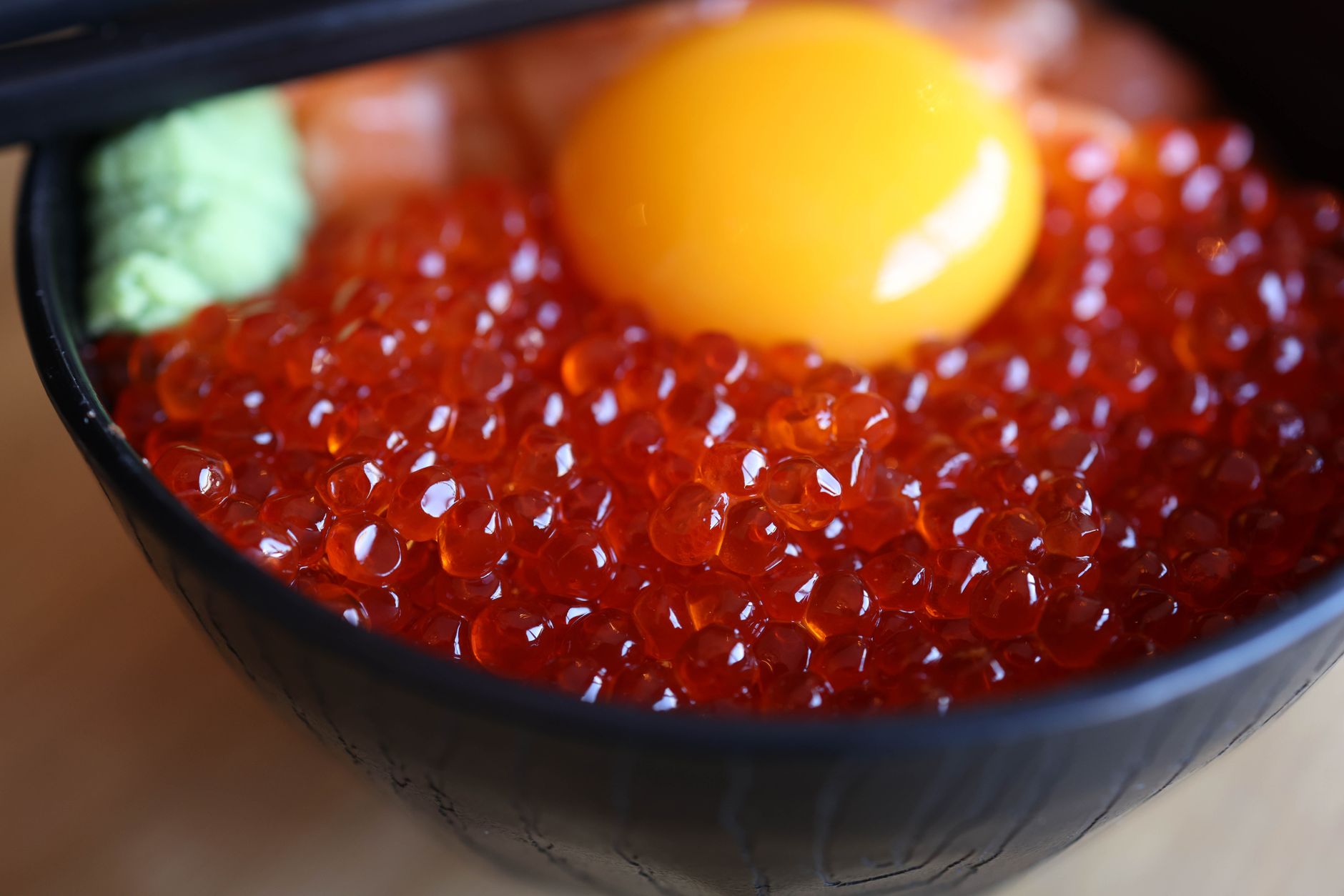
Caviar, often considered a luxurious delicacy, is a term that primarily refers to the salted fish eggs from sturgeon and other fish, such as salmon. Its exquisite taste and cultural significance make it a sought-after ingredient in culinary arts. Understanding what caviar is, how it is produced, and its culinary uses can enhance your appreciation for this unique ingredient.
This article will delve into the facts surrounding caviar, its various types, serving suggestions, and practical tips for incorporating it into your meals.
What is Caviar and Why is it Special?
Caviar is essentially fish eggs that have been processed and salted. The most sought-after variety comes from the sturgeon, a fish whose caviar has been celebrated for centuries. The rarity of sturgeon, combined with the complex methods required for harvesting and processing the eggs, contributes to its high price and status as a delicacy.
The texture of caviar can range from creamy and buttery to firm and poppable, changing depending on the type of fish and the method of processing. Each type of caviar also has distinct flavors, from these rich, nutty undertones of Beluga to the briny, oceanic notes of salmon roe.
Types of Caviar
Caviar is categorized based on the species of the fish it comes from. Here are the most common types:
- Beluga Caviar: Sourced from the endangered Beluga sturgeon, this type has the largest and most desirable eggs, known for their delicate, buttery flavor.
- Ossetra Caviar: From the Ossetra sturgeon, its eggs are medium-sized, offering a nutty flavor and a variety of hues from dark brown to gold.
- Sevruga Caviar: The smallest eggs among the premium varieties, Sevruga caviar is known for its strong taste and compact grain.
- Salmon Roe: Often more affordable, salmon roe is bright orange, with larger eggs that offer a distinct burst of flavor and texture, making them popular in various dishes.
- Trout Roe: Similar to salmon roe but smaller, trout roe has a slightly sweeter taste and is often used for garnishing.
How is Caviar Produced?
The production of caviar involves several detailed steps, ensuring quality and flavor. Here’s a general overview of the process:
- Harvesting: Female fish are harvested for their eggs. This typically occurs when the fish are fully mature, which can take several years.
- Extraction: The eggs are delicately removed from the fish, requiring skill to avoid damaging them.
- Salting: The extracted eggs are mixed with salt to preserve them and enhance their flavor. The amount of salt used can vary, creating different styles of caviar.
- Packing: Once salted, the caviar is packed into jars or tins for storage and transport.
Flavor Profiles of Caviar
The flavor of caviar can vary significantly, influenced by factors such as the type of fish, their diet, and the environment in which they are raised. Here’s a quick breakdown:
- Beluga: Buttery and rich, often described as a soft explosion of flavor.
- Ossetra: Nutty, with some earthy undertones and a pleasing complexity.
- Sevruga: Salty and robust, it tends to be firmer and more intense than the other varieties.
- Salmon Roe: A sweet burst of flavor that is often less salty and more fruity.
- Trout Roe: Mildly sweet and less briny, perfect for those new to roe.
Common Uses for Caviar
Caviar is often enjoyed in various culinary applications, from appetizers to main dishes. Here are popular serving ideas:
- On Toast or Crackers: Spread cream cheese or butter on toast or crackers and top with caviar for a classic appetizer.
- With Blinis: Serve caviar with small, savory pancakes known as blinis, often accompanied by sour cream.
- As a Garnish: Top deviled eggs, oysters, or smoked salmon with caviar for an elegant presentation.
- In Dips: Blend caviar into creamy dips or spreads for added complexity.
- With Pasta or Risotto: A touch of caviar can elevate simple pasta or risotto, adding richness and a burst of flavor.
Serving Caviar: Best Practices
To fully enjoy caviar, serving it correctly is essential. Here are some key guidelines:
- Temperature: Caviar is best served chilled, around 28 to 30 degrees Fahrenheit. Store it in the coldest part of the refrigerator until ready to serve.
- Utensils: Avoid metal utensils when serving caviar, as they can alter its flavor. Use mother-of-pearl spoons or other non-metal materials instead.
- Presentation: Present caviar on a bed of crushed ice to keep it cold. Use glass or crystal serving dishes to enhance the visual appeal.
How to Choose High-Quality Caviar
When purchasing caviar, it’s crucial to look for quality to enjoy the best flavor and texture. Here are some tips for selecting caviar:
- Source: Choose caviar that is sustainably sourced to ensure ethical practices.
- Packaging: Look for airtight packaging without any bulges, which can indicate spoilage.
- Labeling: Check for certifications and descriptions that specify the species of fish, and avoid products labeled as imitation caviar.
Caviar Storage and Shelf Life
Proper storage of caviar is essential for maintaining its freshness and flavor. Here’s how to store it:
- Keep caviar refrigerated at temperatures between 28 and 30 degrees Fahrenheit.
- Once opened, consume the caviar within 3-4 days for optimal flavor.
- Freeze caviar only if absolutely necessary, although it can alter the texture. If you freeze it, be sure to thaw it slowly in the refrigerator to maintain quality.
Common Mistakes When Serving or Using Caviar
A few missteps can mar the experience of enjoying caviar. Be aware of these common mistakes:
- Serving at the Wrong Temperature: Always ensure caviar is adequately chilled before serving.
- Using Metal Utensils: Stick to non-metal utensils to maintain the caviar’s delicate flavor.
- Over-salting: When using caviar in a dish, make sure the other flavors complement rather than overwhelm it.
Practical Caviar Substitutes
If caviar is either unavailable or out of budget, several alternatives can provide a similar experience:
- Salmon Roe: A flavorful but more affordable option, with a satisfying pop.
- Trout Roe: It offers a slightly sweeter taste and can stand in for caviar in most applications.
- Capers: While not fish eggs, capers can provide a burst of briny flavor in dishes, making them a suitable substitute in some contexts.
Conclusion
Caviar is a fascinating ingredient that can elevate dishes and impress guests. Its unique flavors and textures, along with a rich history, make it an exciting addition to any culinary repertoire. By understanding how to choose, serve, and appreciate caviar, you can fully enjoy this luxurious food.
If you’re interested in exploring similar topics, check out our lox recipe or learn more about our lox bagel recipe for delicious ideas to complement your culinary adventures.