
Picture this: a crunchy shell filled with creamy, sweet ricotta, dusted with powdered sugar, and maybe a hint of chocolate. That’s the magic of a classic Cannoli! This delightful treat is not just a dessert; it’s a celebration of Italian tradition, perfect for special occasions or just to satisfy your sweet tooth. With a crispy exterior and a luscious filling, these cannolis bring a delightful contrast in texture and flavor that you won’t forget. Let’s dive into the ingredients and learn how to make this beloved dessert!
Why You’ll Love This Recipe
This recipe is a crowd-pleaser that brings smiles at any gathering. You will love how easy it is to impress with homemade cannolis.
- Rich and creamy filling for a decadent taste.
- Perfectly crispy shells that contrast beautifully with the creamy interior.
- Customizable with various flavors and toppings.
- A fun and interactive dessert to make with family or friends.
My Experience Making This Recipe
Making cannolis is a delightful experience that fills the kitchen with sweet aromas. The first time I made them, I couldn’t believe how easy it was to create such a fancy dessert.
Friends and family were blown away by the flavors and textures. Watching them enjoy each bite was incredibly rewarding.
Recipe Overview
- Recipe Name: Cannolis
- Servings: 12
- Prep Time: 30 minutes
- Cook Time: 15 minutes
- Total Time: 45 minutes
- Course: Dessert
- Cuisine: Italian
- Calories per Serving: 220
Equipment You Will Need
- Mixing bowl
- Rolling pin
- Cannoli forms
- Frying pan or deep fryer
- Pastry bag or zip-top bag
- Fine mesh sieve
Ingredients for Cannolis
- 2 cups all-purpose flour
- 3 tablespoons granulated sugar
- 1/4 teaspoon salt
- 1/2 teaspoon cinnamon
- 3 tablespoons unsalted butter, softened
- 1 large egg
- 1 tablespoon white wine or vinegar
- 1 1/2 cups ricotta cheese, drained
- 1/3 cup powdered sugar
- 1 teaspoon vanilla extract
- 1/4 cup mini chocolate chips (optional)
- Oil for frying
- Powdered sugar for dusting
Ingredient Notes and Substitutions
- All-purpose flour: This is essential for the shell’s structure. You can use a gluten-free blend if needed.
- Granulated sugar: Adds sweetness to the dough. Coconut sugar works as a substitute.
- Ricotta cheese: The star of the filling, providing creaminess. Mascarpone cheese can be used for a richer flavor.
- White wine: This helps with the dough’s texture. Apple cider vinegar is a great non-alcoholic alternative.
How to Make Cannolis
Step 1: Make the Dough
In a mixing bowl, combine the flour, sugar, salt, and cinnamon. This blend creates a flavorful base for your cannoli shells.
Step 2: Add Butter and Egg
Mix in the softened butter until crumbly, then add the egg and white wine or vinegar. This will help bind the ingredients together.
Step 3: Knead the Dough
Knead the dough on a floured surface for about 5 minutes until smooth. Kneading develops gluten, giving the shells their structure.
Step 4: Chill the Dough
Wrap the dough in plastic wrap and chill for at least 30 minutes. Chilling relaxes the gluten, making it easier to roll out.
Step 5: Roll Out the Dough
After chilling, roll out the dough thinly on a floured surface. Thin dough ensures crispy shells that won’t be chewy.
Step 6: Cut and Shape the Shells
Cut out circles about 4 inches in diameter and wrap each around a cannoli form. Seal the edges with a bit of water to hold them together.
Step 7: Fry the Cannoli
Heat oil in a frying pan or deep fryer to 350°F (175°C). Fry the shells until golden brown, about 2-3 minutes, then carefully remove and drain on paper towels.
Step 8: Prepare the Filling
While the shells cool, mix the ricotta, powdered sugar, and vanilla in a bowl until smooth. This creamy filling is what makes cannoli truly delightful.
Pro Tip: Make sure to drain the ricotta well to avoid a watery filling.
Tips for the Best Cannolis
- Use cold ingredients for the dough to ensure a flaky texture.
- Fry in small batches to maintain oil temperature for even cooking.
- Dust the finished cannoli with powdered sugar just before serving to keep them looking fresh.
- Experiment with flavors by adding citrus zest to the filling.
- Store the shells and filling separately to maintain crispness.
Common Mistakes to Avoid
- Using wet ricotta can lead to soggy shells. Always drain it well.
- Frying at too low a temperature results in oily shells. Aim for 350°F (175°C).
- Skipping the chilling step can make the dough tough. Always chill to relax gluten.
- Filling the shells too early will make them soggy. Fill them just before serving.
Serving Suggestions
These cannolis shine on their own, but you can elevate them with a few pairings.
- Serve with a side of fresh berries for a pop of color.
- Pair with a scoop of vanilla ice cream for extra indulgence.
- Drizzle with chocolate sauce for a decadent touch.
- Accompany with espresso for a classic Italian experience.
Variations to Try
- Add orange or lemon zest to the filling for a citrus twist.
- Incorporate pistachios into the filling for a nutty flavor.
- Dip the ends in melted chocolate for added richness.
- Use flavored ricotta, like coffee or chocolate, for a unique take.
Dietary Adaptations
- Gluten-free: Use a gluten-free flour blend for the shells.
- Dairy-free: Substitute ricotta with a dairy-free cheese alternative.
- Vegan: Replace egg with a flax egg and use dairy-free ricotta.
- Low-carb/Keto: Use almond flour for a low-carb shell option.
Storage and Reheating
Refrigerator
Store cannoli shells and filling separately in airtight containers.
- Shells will stay crisp for up to 2 days.
- Filling lasts about 3 days in the fridge.
Freezer
You can freeze the shells for longer storage.
- Wrap them tightly in plastic wrap and place them in a freezer bag.
- They will last up to 3 months in the freezer.
Reheating
Reheat shells in a 350°F (175°C) oven for a few minutes to regain crispness.
- Do not reheat the filling; serve it chilled.
Nutrition Information
| Nutrient | Amount |
|---|---|
| Calories | 220 |
| Total Fat | 10g |
| Saturated Fat | 4g |
| Carbohydrates | 30g |
| Fiber | 1g |
| Sugar | 9g |
| Protein | 5g |
| Sodium | 90mg |
| Cholesterol | 25mg |
This nutritional information is approximate and can vary based on specific ingredients used.
Frequently Asked Questions
Can I make the filling ahead of time?
Yes, you can prepare the filling a day in advance and store it in the refrigerator.
What can I use instead of ricotta?
You can substitute mascarpone cheese for a creamier filling or use a non-dairy alternative.
How do I prevent the shells from getting soggy?
Fill the shells just before serving to keep them crispy.
Can I freeze the filled cannoli?
It is best to freeze the shells only, as filled cannoli won’t hold up well in the freezer.
What if my dough is too dry?
Add a little water, a teaspoon at a time, until the dough is manageable.
Final Thoughts
Making Cannolis at home is a rewarding experience that brings a taste of Italy right to your kitchen. I encourage you to try this recipe and savor each delicious bite.
For more delightful recipes, check out my website or explore the hearty flavors of my cannelloni recipe. Happy cooking!
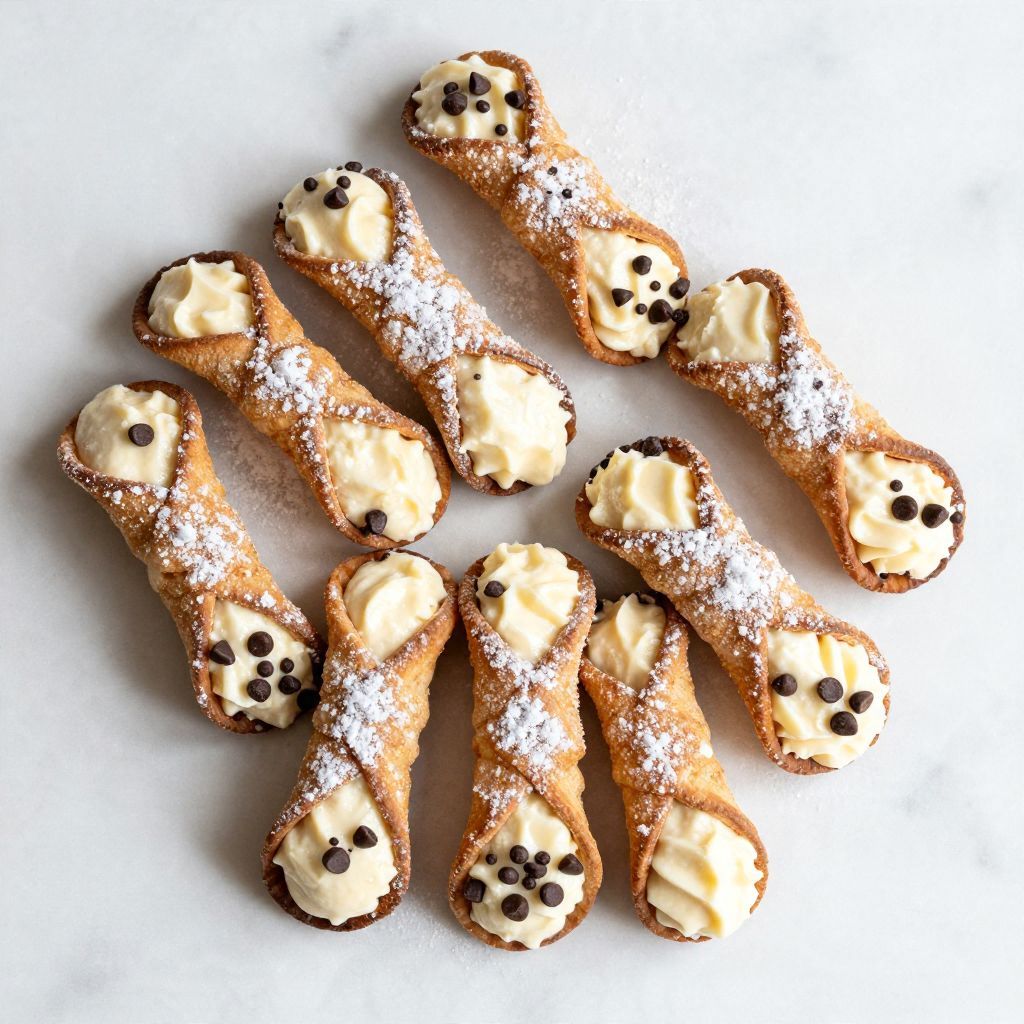
Cannolis
Ingredients
Equipment
Method
- In a mixing bowl, combine the flour, sugar, salt, and cinnamon.
- Mix in the softened butter until crumbly, then add the egg and white wine or vinegar.
- Knead the dough on a floured surface for about 5 minutes until smooth.
- Wrap the dough in plastic wrap and chill for at least 30 minutes.
- Roll out the dough thinly on a floured surface.
- Cut out circles about 4 inches in diameter and wrap each around a cannoli form.
- Heat oil in a frying pan or deep fryer to 350°F (175°C).
- Fry the shells until golden brown, about 2-3 minutes.
- While the shells cool, mix the ricotta, powdered sugar, and vanilla in a bowl until smooth.