
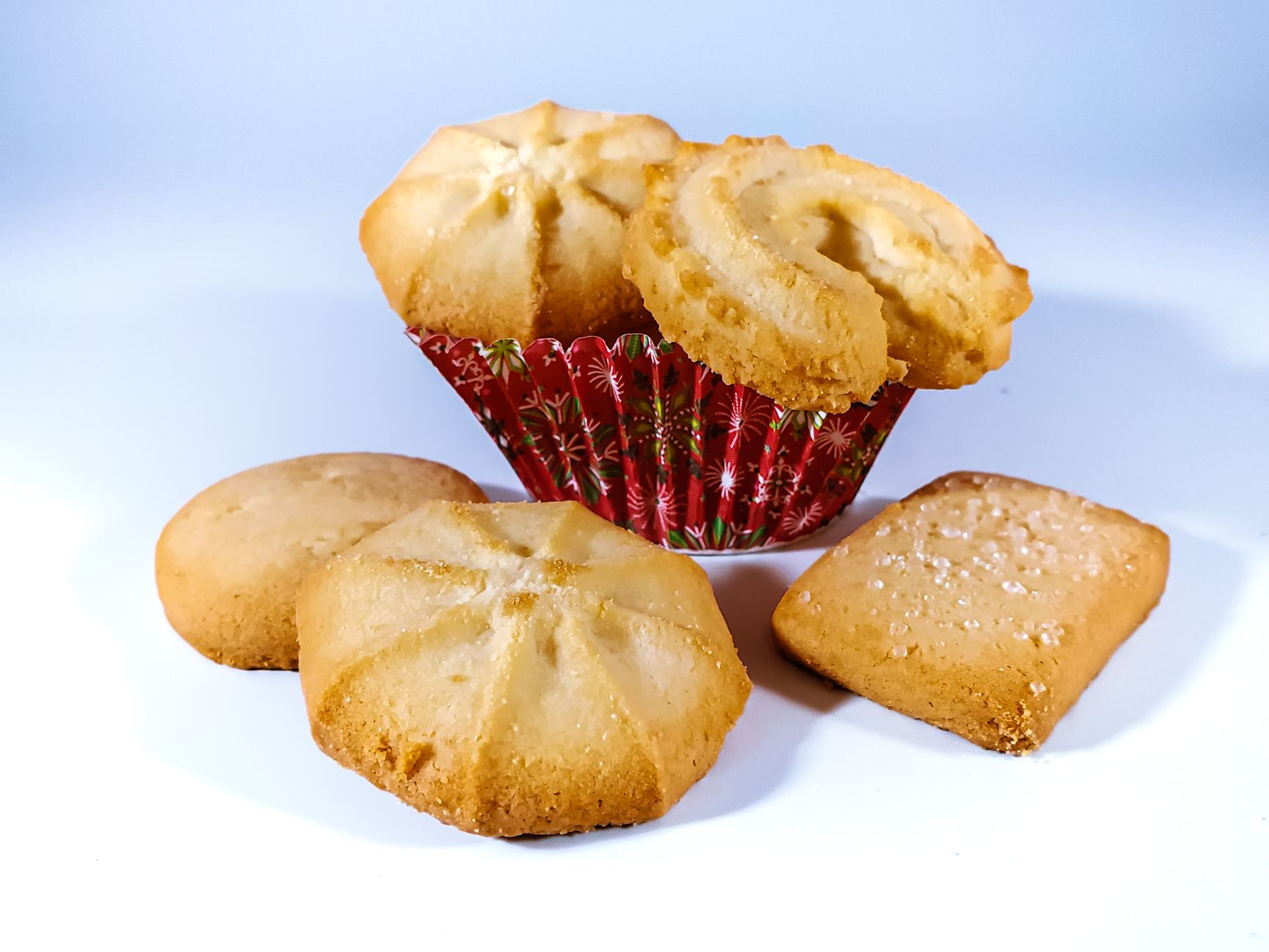
When it comes to baking cookies, the choice of butter can significantly influence the flavor and texture of the final product. One common question is whether you can use salted butter for cookies. The answer is yes, but there are a few important considerations to keep in mind.
This article will explore the nuances of using salted butter, its effect on cookie recipes, and provide some delicious recipe ideas to try. Whether you are a beginner baker or someone looking to refine your cookie-making skills, understanding how salted butter impacts your cookies can elevate your baking game.
Can You Use Salted Butter for Cookies?
Yes, you can use salted butter for cookies. However, it is crucial to adjust other ingredients, especially the salt content, in your recipes. Salted butter can enhance the flavor of the cookies and help in balancing sweetness. Nevertheless, if you prefer precise control over salt levels in your baking, unsalted butter may be the better choice.
Understanding Salted Butter
Salted butter is regular butter with salt added to enhance its flavor and preserve it. Typically, the salt content ranges from 1.5% to 4%. This affects how cookies taste, and since many cookie recipes call for additional salt, it becomes essential to consider the overall salt balance in your dough.
Flavor Profile
The primary difference in flavor between salted and unsalted butter is the saltiness. Salted butter adds a savory, rich flavor profile to baked goods, which can complement sweetness in desserts like cookies. This savory note can sometimes enhance chocolate flavors, especially in recipes that feature chocolate chips or cocoa powder.
Texture Implications
Salted butter can affect the texture of your cookies as well. It has a lower water content than unsalted butter, which may lead to slightly different moisture levels in the dough. This can result in cookies that are crispier on the edges and softer on the inside, depending on how long they are baked.
Adjusting Recipes for Salted Butter
When using salted butter in cookie recipes, it’s important to adjust the salt content accordingly. If a recipe calls for 1 cup of unsalted butter, you may want to reduce or omit additional salt. As a guideline, if you’re using salted butter, reduce the salt by about 1/4 teaspoon for every 1 teaspoon of salt the recipe calls for.
Delicious Recipes Using Salted Butter
Now that you understand how salted butter can affect cookies let’s dive into some specific recipes that benefit from using it. Below you will find several cookie recipes that highlight how salted butter enhances flavor and texture.
Classic Chocolate Chip Cookies
This recipe is simple yet delicious, showcasing how salted butter pairs beautifully with chocolate chips. These cookies are chewy on the inside and a little crisp on the outside.
Yield:
24 cookies
Preparation Time:
15 minutes
Cooking Time:
10-12 minutes
Total Time:
25-27 minutes
Ingredients:
- 1 cup salted butter, softened
- 3/4 cup granulated sugar
- 3/4 cup brown sugar, packed
- 2 large eggs
- 2 teaspoons vanilla extract
- 2 1/4 cups all-purpose flour
- 1 teaspoon baking soda
- 1/2 teaspoon salt (optional)
- 2 cups semi-sweet chocolate chips
Essential Equipment:
- Oven
- Baking sheets
- Mixing bowls
- Electric mixer or whisk
- Measuring cups and spoons
- Spatula
Instructions:
- Preheat the oven to 350°F (175°C). Line baking sheets with parchment paper.
- In a large mixing bowl, cream together the softened salted butter, granulated sugar, and brown sugar until light and fluffy.
- Add in the eggs one at a time, mixing well after each addition. Stir in the vanilla extract.
- In a separate bowl, whisk together the flour, baking soda, and salt (if using). Gradually add this dry mixture to the butter mixture, mixing until just combined.
- Fold in the chocolate chips using a spatula until evenly distributed.
- Drop rounded tablespoons of dough onto the prepared baking sheets, spacing them about 2 inches apart.
- Bake for 10-12 minutes or until the edges are lightly golden. The centers may look slightly underbaked — this is normal as they will continue to bake on the sheet.
- Remove from the oven and let cool on the baking sheet for 5 minutes before transferring to wire racks to cool completely.
Shortbread Cookies
Shortbread cookies are simple and buttery, making them a great showcase for salted butter. The salt enhances the richness of the butter.
Yield:
24 cookies
Preparation Time:
10 minutes
Cooking Time:
15-20 minutes
Total Time:
25-30 minutes
Ingredients:
- 1 cup salted butter, softened
- 1/2 cup granulated sugar
- 2 cups all-purpose flour
- 1/4 teaspoon salt (optional, because of butter)
Essential Equipment:
- Oven
- Baking sheets
- Mixing bowls
- Electric mixer or whisk
- Measuring cups and spoons
- Rolling pin (optional)
Instructions:
- Preheat the oven to 350°F (175°C). Line baking sheets with parchment paper.
- In a large mixing bowl, cream together the salted butter and sugar until light and fluffy.
- Gradually add the flour and salt (if using). Mix just until combined. The dough may appear crumbly, which is normal.
- If desired, turn the dough out onto a floured surface and roll out to about 1/4 inch thick before cutting shapes with cookie cutters.
- Transfer the cut-out cookies to the baking sheets and bake for 15-20 minutes, until they are lightly golden.
- Remove from the oven and allow to cool on the baking sheets for 5 minutes before transferring to wire racks to cool completely.
Peanut Butter Cookies
Salted butter pairs wonderfully with peanut butter to create deliciously rich cookies full of flavor.
Yield:
24 cookies
Preparation Time:
15 minutes
Cooking Time:
10-12 minutes
Total Time:
25-27 minutes
Ingredients:
- 1 cup salted butter, softened
- 1 cup peanut butter (creamy or chunky)
- 1 cup granulated sugar
- 1 cup brown sugar, packed
- 2 large eggs
- 2 cups all-purpose flour
- 1 teaspoon baking soda
- 1/2 teaspoon salt (optional)
Essential Equipment:
- Oven
- Baking sheets
- Mixing bowls
- Electric mixer or whisk
- Measuring cups and spoons
- Fork (for crisscross pattern)
Instructions:
- Preheat the oven to 350°F (175°C). Line baking sheets with parchment paper.
- In a large mixing bowl, cream together the salted butter, peanut butter, granulated sugar, and brown sugar until well combined.
- Add in the eggs one at a time, mixing well after each addition.
- In a separate bowl, combine the flour, baking soda, and salt (if using). Gradually add this to the wet ingredients and mix just until combined.
- Drop tablespoonfuls of dough onto the prepared baking sheets a few inches apart.
- Using a fork, press down on each cookie to create a crisscross pattern and slightly flatten them.
- Bake for 10-12 minutes or until the edges are lightly browned. The centers should remain soft.
- Allow to cool on the baking sheet for 5 minutes before transferring to wire racks.
Practical Substitutions and Variations
If you find yourself without unsalted butter or wish to avoid it, here are some practical substitutions and variations:
- Unsalted Butter: You can use unsalted butter in place of salted butter but add approximately 1/4 teaspoon of salt per stick to maintain flavor balance.
- Vegetable Shortening: This can replace butter for a lighter cookie. The result may be less rich but can remain soft.
- Coconut Oil: Solid coconut oil can be used for a dairy-free alternative, offering a distinct coconut flavor and a slightly different texture.
- Nut Butters: Peanuts, cashews, or almond butters can add depth of flavor in cookie recipes, though they will change the cookie’s overall taste and texture.
- Oils: In a pinch, vegetable or canola oil can substitute butter for a different texture. Cookies may be chewier and less rich.
Common Mistakes and Troubleshooting
Even the best bakers can encounter issues when using salted butter. Here are some common pitfalls and solutions:
- Over-salting: If you forget to adjust the salt content, your cookies may end up too salty. If you’re unsure, start with a smaller amount of salt in your recipe.
- Incorrect Butter Temperature: Make sure to use softened butter. If it’s too cold, the dough won’t mix properly; if it’s too warm, cookies may spread too much.
- Overmixing: Mixing dough too much can lead to tough cookies. Mix until just combined to ensure a tender texture.
- Inaccurate Measurements: Baking requires precision. Make sure to measure flour by spooning it into the cup and leveling it off with a knife to avoid overly dry dough.
Storage and Reheating Guidance
To maintain the freshness of your cookies, follow these storage tips:
- Room Temperature: Store cookies in an airtight container for up to a week at room temperature. Add a slice of bread to keep them moist.
- Freezing: Most cookies freeze well. Place them in an airtight container or freezer bag for up to three months. Thaw in the refrigerator or at room temperature.
- Reheating: Reheat cookies in a preheated oven at 350°F (175°C) for 5–10 minutes to restore their original texture.
In baking, understanding how each ingredient works together can lead to delicious results. Salted butter not only adds flavor but can enhance the texture and overall satisfaction of your favorite cookie recipes. Embrace the versatility of salted butter and experiment with these recipes for delightful treats.
Explore more delicious recipes like the Ghirardelli Chocolate Chip Cookie Recipe or create something a bit different with our Sourdough Cookie Recipe. Happy baking!