
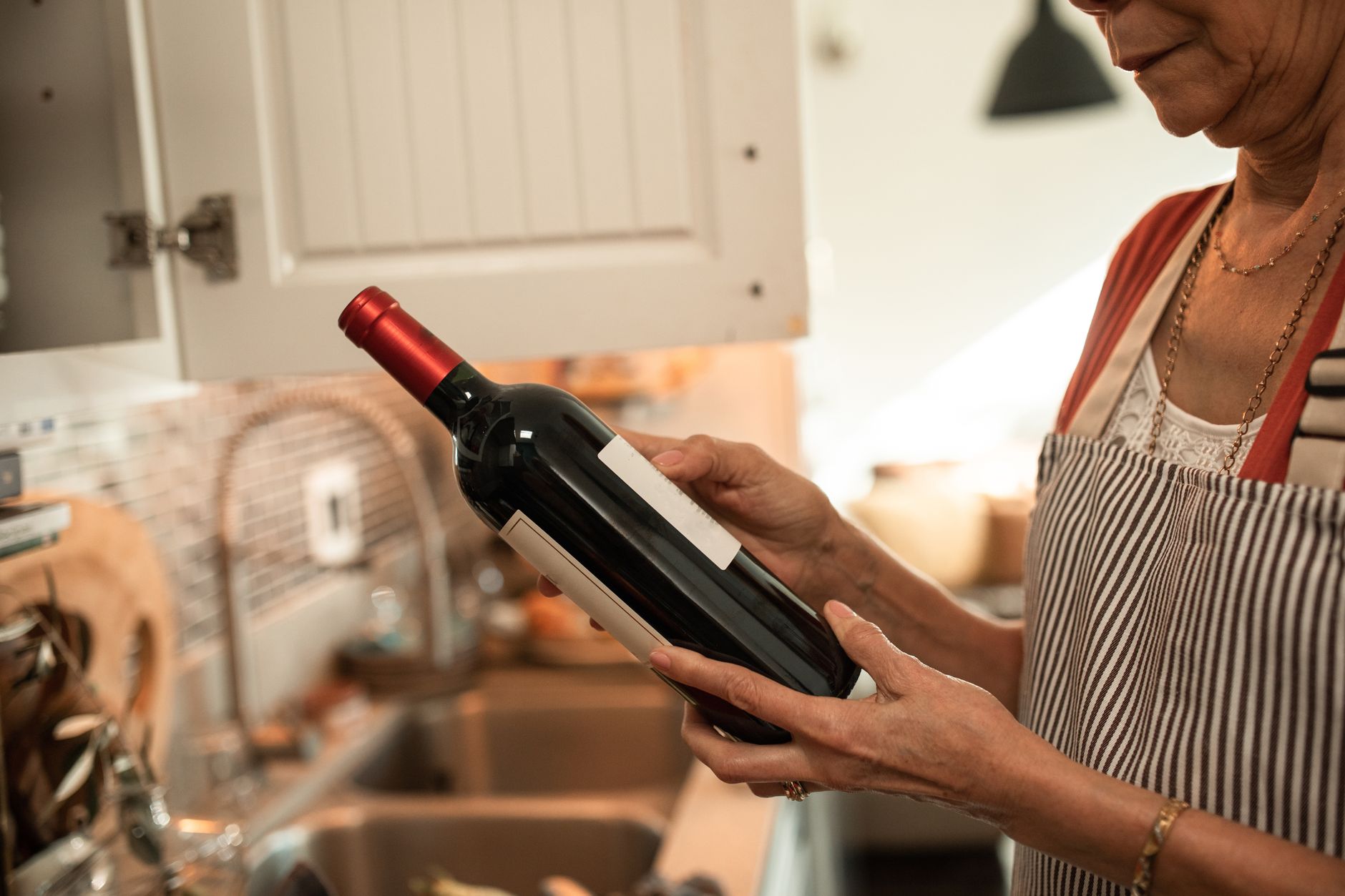
Using old wine in cooking is a common question for many home cooks. The distinction between drinking and cooking wine can often lead to confusion regarding what constitutes “old” wine and how it can be utilized in meals. This article will explore whether old wine is suitable for cooking, provide insight on its culinary uses, and offer delicious recipe ideas.
Old wine can indeed be used for cooking, but a few considerations must be kept in mind, such as the wine’s flavor profile after it has aged, its storage conditions, and how to pair it effectively with dishes. Let’s delve into the details!
Can You Use Old Wine for Cooking?
Yes, you can use old wine for cooking, provided it has been stored properly and hasn’t spoiled. While wine does have a shelf life, its acidity can help preserve it for some time, especially when used in cooking where it will be heated.
When determining whether your old wine is suitable for cooking, consider its smell, appearance, and storage conditions. If the wine smells vinegary or sour, it is no longer advisable for consumption or cooking. However, if it smells fine and the taste is still pleasant, it can enhance your recipes.
How Old is Too Old? Understanding Wine Aging
Wines are generally categorized based on their aging potential. Most everyday wines are best consumed within a few years after bottling. However, high-quality wines can improve over time. Here’s a breakdown of how different types of wine age:
- Red Wines: Can last up to 5-10 years or longer, depending on quality.
- White Wines: Usually best within 2-3 years; some can last up to 5-7 years.
- Sparking Wines: Best consumed within a couple of years; they don’t age well.
- Fortified Wines (like Port or Sherry): Can last much longer, up to 20 years or more.
Always remember that the serving of wine at its peak can yield flavors that are at their best when cooking.
How to Store Wine Effectively
The way you store your wine significantly influences its longevity. Here are some tips for storing wine to prolong its life:
- Temperature: Store wine at a consistent temperature between 45°F and 65°F (7°C to 18°C).
- Light: Keep wine away from direct sunlight as it can cause the wine to age prematurely.
- Position: Store bottles laying down to keep the cork moist, preventing oxidation.
- Humidity: Aim for a humidity level of about 70% to prevent cork drying.
Culinary Uses for Old Wine
Old wine can add depth and flavor to many dishes. Here are several culinary applications:
- Marinades: Old wine can make excellent marinades for meats, enhancing flavor profiles.
- Deglazing: After sautéing, old wine can help deglaze the pan, scraping up bits of flavor for sauces.
- Soups and Stews: Adding a splash of old wine to richly flavored soups or stews can add complexity.
- Glazes and Sauces: Use it to create reductions for glazes or sauces, amplifying the dish’s taste.
Flavor Profiles and Pairing Suggestions
When using old wine for cooking, understanding its flavor profile is vital for pairing it correctly with the right foods. Here are general guidelines for flavors typically found in different types of wine:
- Red Wines: Rich, tannic flavors often pair well with hearty dishes like beef stews, braised meats, and mushroom risottos.
- White Wines: Crisp and acidic whites can complement seafood, chicken, and vegetable dishes.
- Sweet Wines: Dessert wines and sweet whites work beautifully in desserts and can enhance savory dishes that feature spice.
Delicious Recipes Utilizing Old Wine
Here are a few scrumptious recipes where old wine plays a starring role:
1. Beef Bourguignon
This classic French dish is rich, hearty, and perfect for using up old red wine. It requires a long simmering time but is immensely rewarding.
- Yield: 6 servings
- Preparation Time: 30 minutes
- Cooking Time: 2 hours 30 minutes
- Total Time: 3 hours
Ingredients:
- 2 lbs beef chuck, cut into 1-inch cubes
- 4 slices of bacon, chopped
- 1 onion, chopped
- 2 carrots, sliced
- 2 garlic cloves, minced
- 2 cups old red wine
- 2 cups beef broth
- 2 tbsp tomato paste
- 1 tsp thyme
- 1 bay leaf
- 1 lb mushrooms, quartered
- 2 tbsp flour
- Salt and pepper to taste
- Fresh parsley for garnish
Essential Equipment:
- Large heavy pot or Dutch oven
- Wooden spoon
- Knife and cutting board
Method:
- In a large pot, cook the bacon over medium heat until crispy. Remove and set aside.
- Add beef to the pot, browning on all sides. Remove beef and set aside.
- Add onion and carrots to the pot, cooking until softened. Stir in garlic and cook for one more minute.
- Sprinkle flour over vegetables, stirring constantly for 1-2 minutes.
- Pour in the red wine, scraping up any bits from the bottom of the pot.
- Add back the beef, bacon, broth, tomato paste, thyme, and bay leaf. Bring to a simmer.
- Cover and lower heat, cooking for 2.5 hours, until meat is tender.
- Add mushrooms in the last 30 minutes of cooking. Season with salt and pepper.
- Garnish with parsley before serving.
2. Chicken Marsala
This dish features chicken breasts sautéed and simmered in a Marsala wine sauce, excellent for using slightly older wine.
- Yield: 4 servings
- Preparation Time: 15 minutes
- Cooking Time: 30 minutes
- Total Time: 45 minutes
Ingredients:
- 4 boneless chicken breasts
- 1 cup old Marsala wine
- 1 cup chicken broth
- 1/2 cup all-purpose flour
- 1/2 cup mushrooms, sliced
- 2 tbsp olive oil
- 2 tbsp butter
- Salt and pepper to taste
- Fresh parsley, chopped for garnish
Essential Equipment:
- Large skillet
- Meat mallet (optional)
- Wooden spoon
Method:
- Pound chicken breasts to an even thickness, season with salt and pepper, and dredge in flour.
- In a skillet, heat olive oil and butter over medium heat. Add chicken and cook until golden, about 5-6 minutes per side. Remove from pan.
- Add mushrooms to the same skillet, stirring until softened.
- Pour in the Marsala wine, scraping to deglaze the pan, then add chicken broth.
- Return chicken to the pan and simmer until heated through, about 5 minutes.
- Garnish with parsley before serving.
Common Mistakes When Cooking with Old Wine
Here are some pitfalls to watch out for when using old wine in cooking:
- Using Spoiled Wine: Always ensure the wine is good before cooking. If it smells bad or tastes sour, discard it.
- Overheating: Cooking wine for too long can result in bitter flavors. Monitor cooking times carefully.
- Ignoring Quality: Wines that are not enjoyable to drink may also not be suitable for cooking. Choose wines you would enjoy.
Storage and Reheating of Cooked Dishes with Wine
Dishes made with old wine can be stored in the refrigerator for 3-4 days. For long-term storage, freezing is a good option for stews and sauces, extending their life for several months.
To reheat, thaw in the refrigerator overnight and gently reheat on the stove over low heat, stirring frequently to avoid scorching.
Final Thoughts
Using old wine for cooking can enhance flavors and add complexity to your dishes, making it a worthy addition to your culinary repertoire. By understanding the storage, flavor profiles, and key uses, anyone can incorporate old wine into recipes with confidence.
For more delightful recipes to inspire your kitchen adventures, explore our Shrimp Scampi Recipe without Wine and check out our delicious Marsala Sauce Recipe for more culinary ideas.