
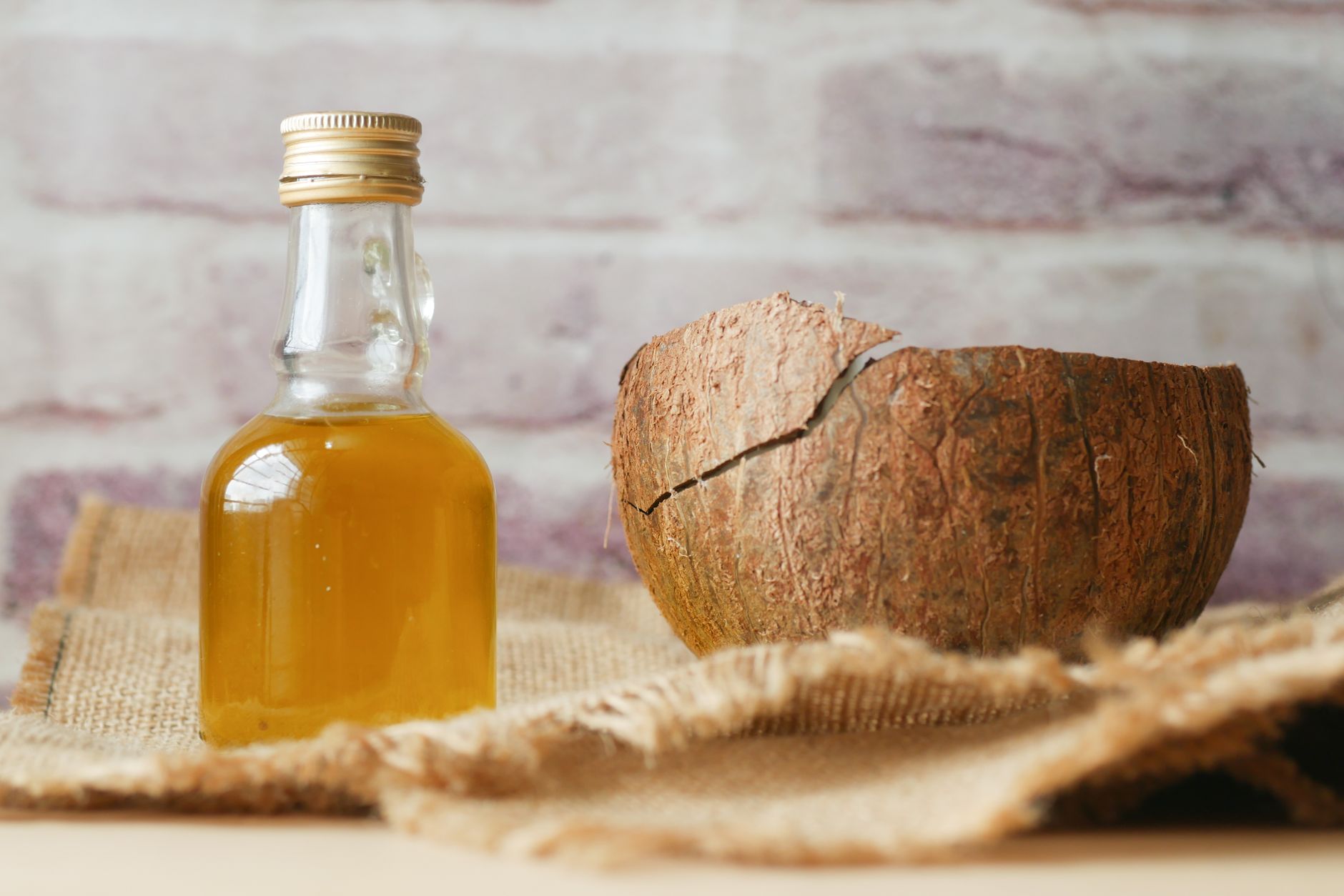
Coconut oil has gained popularity among health-conscious individuals and avid home cooks alike, often being touted as a versatile alternative to vegetable oil. However, the question arises: can you use coconut oil instead of vegetable oil? This article will explore the various uses of coconut oil in cooking, its benefits, potential drawbacks, and how it stands up when substituted for vegetable oil in various culinary applications.
Understanding the differences between these oils—including their flavors, smoke points, and properties—can help you make informed decisions in your cooking. Whether you’re frying, sautéing, or baking, the right oil can make all the difference.
Can You Use Coconut Oil Instead of Vegetable Oil?
Yes, you can use coconut oil instead of vegetable oil in many recipes. Coconut oil has unique properties that lend well to various cooking methods, from frying to baking. However, it’s important to consider the flavor and texture differences that can impact the final dish, especially in baked goods and delicate recipes.
What is Coconut Oil?
Coconut oil is derived from the meat of mature coconuts and is known for its rich, tropical flavor and creamy texture. It is available in two main forms: refined and unrefined (or virgin) coconut oil. Unrefined coconut oil retains more of the coconut flavor and aroma, while refined coconut oil has a neutral flavor and higher smoke point, making it a popular choice for cooking.
The oil is high in saturated fats, particularly medium-chain triglycerides (MCTs), which are said to provide various health benefits. However, moderation is key, as coconut oil is still calorie-dense.
What is Vegetable Oil?
Vegetable oil is a generic term that refers to oils extracted from various plant sources, including soybeans, corn, and sunflower seeds. It typically has a neutral flavor and a higher smoke point, making it an ideal choice for frying and sautéing.
Many vegetable oils contain a higher percentage of polyunsaturated fats, which are considered healthier fats when consumed in moderation. Vegetable oil’s versatility and neutral taste make it a staple in many kitchens for various cooking methods.
Comparing Coconut Oil to Vegetable Oil
Flavor Profile
Coconut oil has a distinct coconut flavor and aroma, which can enhance certain dishes, particularly those that benefit from tropical notes. In contrast, vegetable oil is typically flavorless, making it suitable for recipes where the oil should not interfere with the other ingredients’ flavors.
Smoke Point
The smoke point is the temperature at which oil begins to smoke and degrade, affecting the flavor and nutritional properties. Here are the approximate smoke points for each oil:
- Unrefined Coconut Oil: 350°F (177°C)
- Refined Coconut Oil: 450°F (232°C)
- Vegetable Oil: 400°F (204°C)
Refined coconut oil has a higher smoke point than unrefined coconut oil and is more comparable to vegetable oil, making it better for high-heat cooking methods.
Nutritional Content
Both coconut oil and vegetable oil are high in calories and fats, but their fat compositions differ. Coconut oil is primarily made up of saturated fats, while vegetable oils typically contain higher levels of unsaturated fats. This composition influences their effects on health, with some believing medium-chain fatty acids in coconut oil may offer certain health benefits, although research is ongoing.
Substituting Coconut Oil for Vegetable Oil
When substituting coconut oil for vegetable oil, keep in mind the following considerations:
- Flavor: Use refined coconut oil if you want a neutral flavor. Unrefined coconut oil will impart a distinct coconut taste that may not be suitable for all dishes.
- Texture: Liquid coconut oil (when warm) can replace liquid vegetable oil in recipes. When using solid coconut oil, it may affect the texture if not melted properly.
- Cooking Methods: Both oils work well for sautéing and frying. However, consider the smoke point when using for high-temperature cooking.
Cooking with Coconut Oil: Key Uses
1. Sautéing
Coconut oil is an excellent choice for sautéing vegetables due to its unique flavor profile and health benefits. To sauté with coconut oil:
- Heat the coconut oil in a pan over medium heat.
- Add your vegetables, stirring frequently.
- Cook until the vegetables are tender and slightly caramelized.
Use refined coconut oil for a more neutral taste or unrefined for a boost of flavor.
2. Baking
Coconut oil can be an effective substitute for vegetable oil in baking recipes such as muffins, cakes, and cookies. When doing so:
- Use melted coconut oil for liquid measurements.
- Consider the impact on flavor, especially in delicate baked goods.
Coconut oil can add a moist texture to baked goods, but test it in smaller batches to ensure the flavor suits your recipe.
3. Frying
For frying, both coconut oil and vegetable oil are viable options. Coconut oil can impart a lovely flavor to fried foods, especially when using the refined variety.
- Heat the coconut oil in a deep pan or fryer to the desired temperature.
- Add food to oil carefully to avoid splatter.
- Fry until golden brown, checking the internal temperature for doneness.
Keep the smoke point in mind to prevent the oil from burning during frying.
Nutrition and Health Considerations
While coconut oil offers some potential health benefits, it is crucial to consume it in moderation. Saturated fats can raise cholesterol levels, which may pose risks for some individuals.
Vegetable oils—particularly those rich in polyunsaturated fats—can be a healthier alternative in certain diets. Always consider your dietary needs and consult with a healthcare professional if you have specific health concerns.
Common Mistakes When Using Coconut Oil
When substituting coconut oil for vegetable oil, here are a few common mistakes to avoid:
- Using Solid Coconut Oil: Not melting solid coconut oil can lead to uneven measurements and result in a dry or heavy texture in baked goods.
- Ignoring Flavor: Using unrefined coconut oil in dishes where a neutral flavor is desired can overpower other ingredients.
- Overheating: Exceeding the smoke point of coconut oil can create off-flavors and negatively impact your dish’s quality.
Storage of Coconut Oil
Coconut oil is relatively stable compared to other oils due to its high saturated fat content, which makes it less prone to rancidity. Here’s how to store it:
- Keep coconut oil in a cool, dark place, away from direct sunlight.
- Solid coconut oil can be stored at room temperature, while liquid coconut oil may be refrigerated to extend its stability.
Final Thoughts
Using coconut oil instead of vegetable oil can be an excellent way to enhance the flavor of your dishes while incorporating potentially beneficial fats. When substituting, keep in mind the variety of coconut oil used and make adjustments based on the requirements of your recipe. By understanding the properties of both oils, you can confidently navigate your cooking choices.
Next time you find yourself reaching for vegetable oil, consider the unique characteristics of coconut oil as a flavorful, versatile alternative in your kitchen.
For more tips and substitutions, explore how to use canola oil instead of vegetable oil or get inspired by a delightful coconut milk chia pudding recipe that showcases the versatility of coconut-based ingredients.