
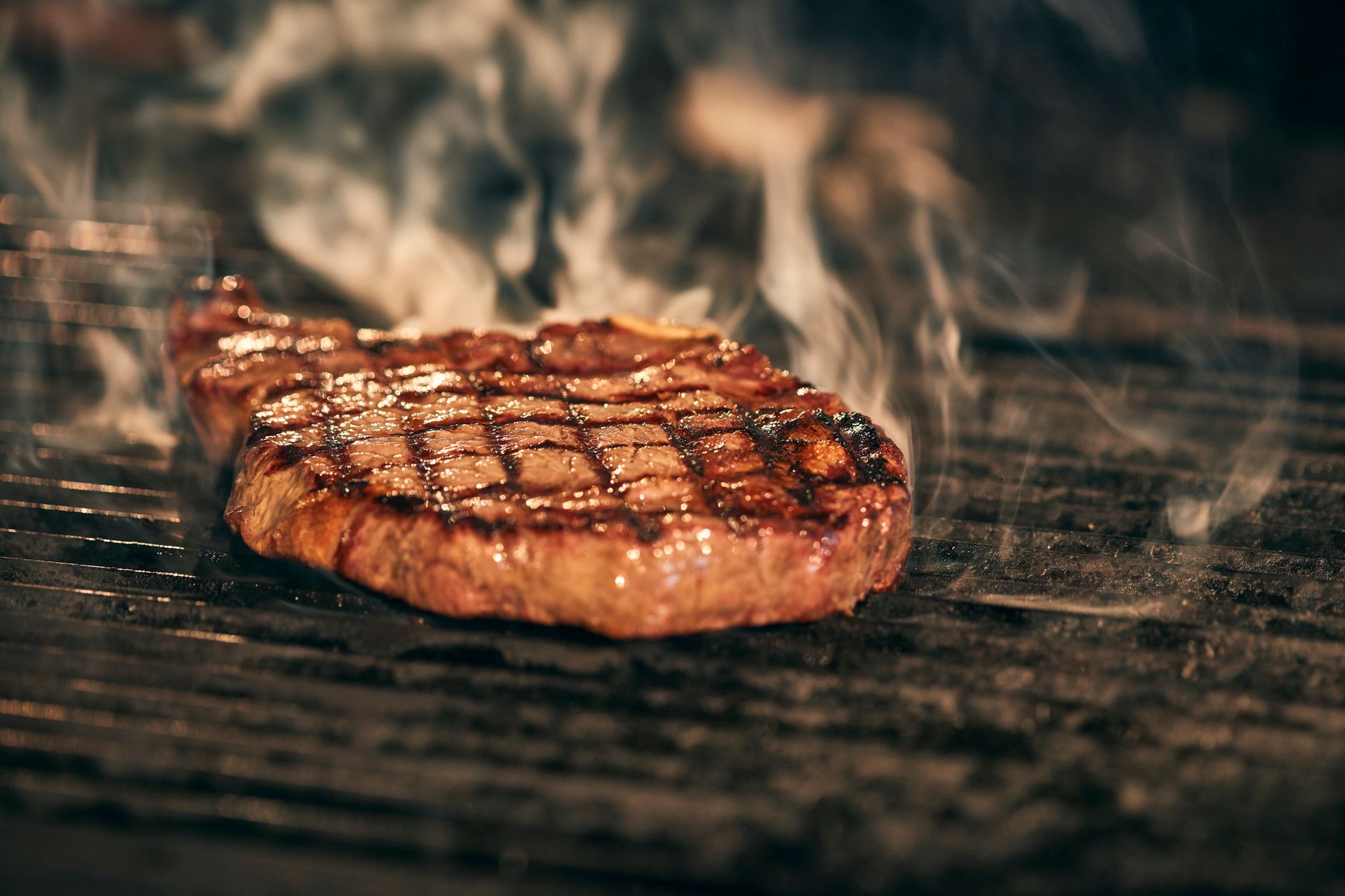
Smoking a steak can elevate an ordinary cut of beef into a flavor-packed masterpiece. The slow cooking process combined with the infusion of wood smoke creates a tender and juicy steak with a depth of flavor that’s hard to resist. Whether you’re preparing for a weekend barbecue or simply looking to impress at dinner, smoked steak can be a great choice.
This article will guide you through the complete process of smoking a steak, from preparation to cooking and serving tips. We’ll cover essential equipment, cooking techniques, tips for success, and how to make the most of this delicious method.
Can You Smoke a Steak?
Yes, you can smoke a steak! Smoking allows you to enhance the natural flavors of the beef while creating an aromatic crust on the outside. The key to smoking a steak successfully lies in selecting the right cut of meat, preparing it properly, and controlling the cooking temperature.
Choosing the Right Cut of Steak
When it comes to smoking steak, not all cuts are created equal. Here are some great options that work well for smoking:
- Ribeye: Highly marbled, it offers a rich flavor and stays tender during the smoking process.
- Brisket: Although it requires a longer cooking time, the flavorful nature of brisket makes it a classic for smoking.
- T-bone: A combination of tenderloin and strip steak, T-bones are flavorful and have a great texture when smoked.
- New York Strip: Known for its tenderness and juiciness, it’s another great option for smoking.
- Chuck Roast: While typically used for pot roasts, chuck can be smoked for delicious results, especially when marinated well.
Essential Equipment for Smoking a Steak
To smoke a steak effectively, you will need some specific equipment. Here’s a rundown of what you’ll need:
- Smoker: A dedicated smoker, pellet grill, or even a charcoal grill set up for indirect heat will work wonderfully.
- Wood Chips or Chunks: Choose woods like hickory, mesquite, oak, or fruit woods like cherry or apple for unique flavors.
- Meat Thermometer: This ensures you achieve the perfect doneness without overcooking.
- Saucepan or Foil Pan: Good for adding moisture or as a drip pan for collecting excess fat.
- Sharp Knife: For slicing the steak after cooking, ensuring the best presentation.
Preparation: Seasoning Your Steak
Proper seasoning is crucial to enhance the natural flavors of your steak. Here are several approaches to seasoning:
- Simple Salt and Pepper: A classic choice that allows the flavor of the beef to shine.
- Dry Rub: Mix spices like garlic powder, onion powder, paprika, cumin, and black pepper for an aromatic crust.
- Marinade: Soak the steak in a marinade containing oil, acid (like vinegar or citrus juice), and spices for at least an hour or up to overnight for deeper flavor. Ensure to dry it before smoking.
Example Dry Rub Recipe
For a wonderful dry rub, combine the following ingredients:
- 2 tablespoons brown sugar
- 1 tablespoon paprika
- 1 tablespoon black pepper
- 1 tablespoon salt
- 1 teaspoon chili powder
- 1 teaspoon garlic powder
Rub this mixture onto the steak liberally, ensuring it’s evenly coated. Allow the steak to sit at room temperature for 30 minutes before smoking.
Smoking Process: Step-by-Step Guide
Once you have prepared your steak, it’s time to smoke it. Follow these steps for perfect smoked steak:
- Prepare Your Smoker: Preheat your smoker to a steady 225°F (107°C). Once heated, add your wood chips or chunks to create smoke.
- Place the Steak in the Smoker: If using a kettle grill, create two zones: one for direct heat and one for indirect heat. Place the steak on the cooler side.
- Monitor the Internal Temperature: Use a meat thermometer to keep track of the internal temperature. For medium-rare, pull the steak when it reaches 130°F (54°C). For medium, aim for 140°F (60°C).
- Consider the Resting Period: Once the steak reaches your desired temperature, remove it from the smoker and let it rest for at least 10-15 minutes. This step allows juices to redistribute.
- Sear for a Crust (Optional): If you desire a crispy crust, consider searing the steak on a grill or in a hot cast iron skillet for 1-2 minutes per side after smoking.
Common Mistakes to Avoid When Smoking Steak
Though smoking steak can be simple, some common pitfalls can hinder success. Here’s how to avoid them:
- Skipping the Thermometer: Relying on guesswork can lead to overcooked or undercooked meat. Always use a meat thermometer.
- Overcrowding the Smoker: Ensure there’s space for air and smoke to circulate around each steak for even cooking.
- Not Allowing the Steak to Rest: Slicing into the steak too soon will result in juices running out, leading to dryness.
Serving Suggestions for Smoked Steak
Smoked steak pairs wonderfully with a variety of sides and accompaniments. Here are some ideas:
- Grilled Vegetables: Bell peppers, zucchini, and asparagus complement the smoky flavor well.
- Potato Dishes: Mashed, roasted, or even baked potatoes are classic choices alongside steak.
- Salads: A fresh salad with vinaigrette can balance the rich flavors of the steak.
- Slaw: Coleslaw can add a crunchy and refreshing contrast.
For sauces, barbecue sauce, chimichurri, or a garlic butter compound can enhance the flavor experience.
Storage and Reheating Tips
If you happen to have leftovers (and it’s worth the bet you might), proper storage and reheating are essential:
- Storage: Let the steak cool down to room temperature, then wrap it tightly in plastic wrap or aluminum foil and store it in the refrigerator for up to 3 days.
- Freezing: For longer storage, wrap the steak in freezer paper or heavy-duty aluminum foil and freeze for up to 3 months.
- Reheating: To reheat, use a low oven at 250°F (121°C) until warmed through or slice and sauté briefly in a hot skillet with a bit of oil, just until heated.
Exploring Variations and Additional Techniques
While this guide focuses on traditional smoking techniques, here are some variations to consider:
- Reverse Searing: Smoke the steak first, then sear it on high heat for a crust at the end for a combination of tenderness and flavor.
- Using Marinades: Experiment with different marinades and infuse flavor even before the smoking process begins.
- Try Different Woods: Experimenting with different wood types can significantly alter flavor profiles. Oak provides a mild smoke, while mesquite offers a stronger taste.
Taking the time to carefully select your ingredients and execute each step will elevate your smoked steak, guaranteeing an impressive meal. Whether for a special occasion or a weeknight dinner, you’ll find that smoking a steak is an enjoyable and rewarding experience.
For further exploration in your smoking adventure, you can check out our recipes for smoked beef ribs or smoked chuck roast. Happy cooking!