
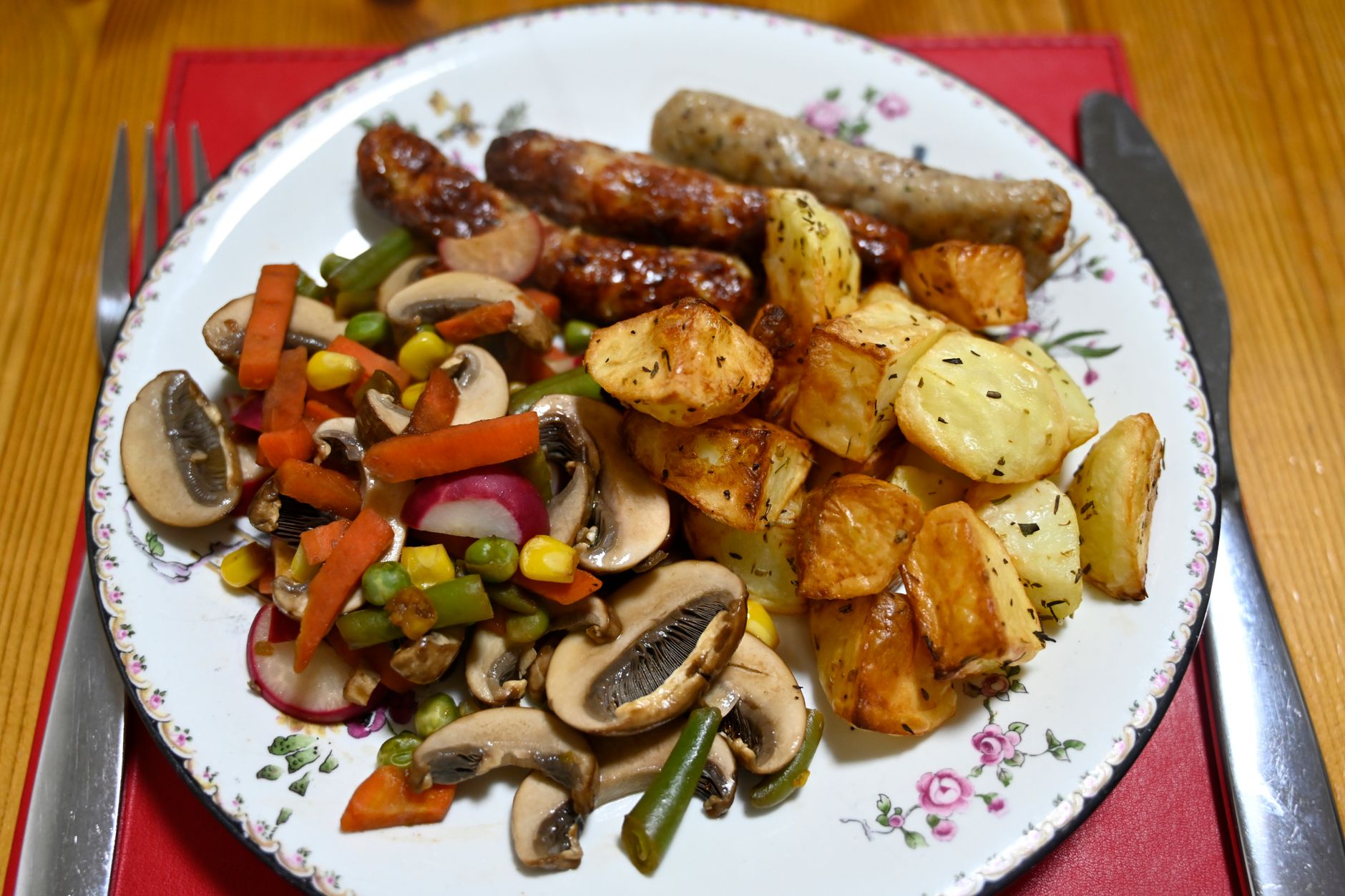
Frozen vegetables are a common staple in many kitchens, often praised for their convenience and nutritional value. But can you roast them to achieve that satisfying caramelization and flavor? The answer is yes! Roasting frozen vegetables is not only possible, but it can also produce delightful results.
Roasting enhances the natural sweetness of vegetables while adding a crispy texture. Not only is this method quick and easy, but it opens a wide array of possibilities for flavors, seasonings, and accompanying dishes. Read on to discover tips, techniques, and a comprehensive guide on how to roast frozen vegetables effectively.
Can You Roast Frozen Vegetables?
Yes, roasting frozen vegetables is not only feasible, but can also yield delicious results. While they may not achieve the same texture as fresh vegetables, the method of roasting allows frozen varieties to develop flavor through caramelization. To get the best out of this cooking approach, particular techniques should be employed to ensure crispy, flavorful bites.
Why Roast Frozen Vegetables?
Roasting frozen vegetables offers several unique advantages:
- Convenience: Frozen vegetables require no washing, peeling, or chopping, making them incredibly easy to use.
- Consistency: Frozen vegetables are often frozen at their peak freshness, preserving their nutrients and flavors.
- Less Waste: For those living alone or in smaller households, using frozen vegetables can minimize food waste.
- Versatility: They can easily be paired with various seasonings, marinades, and other ingredients to complement any meal.
Essential Equipment for Roasting Frozen Vegetables
Before diving into the cooking process, gather the following essential equipment:
- Oven
- Baking sheet or roasting pan
- Parchment paper (optional)
- Spatula or tongs for flipping
- Mixing bowl (if mixing with oil or seasonings)
How to Roast Frozen Vegetables: Step-by-Step Guide
Roasting frozen vegetables requires a straightforward, yet slightly altered, approach compared to fresh vegetables. Follow these steps for best results:
- Preheat your oven to 425°F (220°C). A hot oven is crucial for achieving that desired crispiness.
- Select and prepare your vegetables: Choose your favorite frozen veggies—common options are broccoli, Brussels sprouts, bell peppers, and carrots. If desired, rinse them under cold water to remove ice crystals.
- Spread them out: Place your frozen vegetables in a single layer on a baking sheet. Avoid overcrowding, as this can lead to steaming rather than roasting.
- Season: Drizzle the vegetables with olive oil, and season with salt, pepper, and your choice of herbs or spices. Toss the vegetables gently to ensure even coating.
- Roast: Place the baking sheet in the preheated oven and roast for about 20-30 minutes. Stir the vegetables halfway through to promote even browning.
- Check for doneness: The vegetables should be tender and crisp on the edges. If not done, continue roasting, checking every 5 minutes.
- Serve: Remove the vegetables from the oven and serve hot, optionally garnished with fresh herbs or a squeeze of lemon juice.
Choosing the Right Frozen Vegetables
Selecting the right frozen vegetables can enhance the flavor and texture of your dish. Here are some popular options along with their characteristics:
- Broccoli: Retains a lovely green color, crispness, and a slightly sweet flavor when roasted.
- Brussels Sprouts: Cut in half for better caramelization; they become sweet and nutty.
- Carrots: Their natural sugars caramelize beautifully, resulting in a bittersweet flavor.
- Bell Peppers: Come in various colors and add vibrant hues and sweetness to any dish.
- Zucchini: Although it can become mushy if overcooked, roasting it until just tender yields delicious results.
Tips for Perfectly Roasted Frozen Vegetables
To ensure your frozen vegetables are roasted to perfection, consider these practical tips:
- Don’t Thaw: Roasting directly from frozen helps maintain texture and prevents them from becoming mushy.
- Use Enough Oil: A light coating of oil helps to achieve crispiness. Aim for about 1 tablespoon of oil per 4 cups of vegetables.
- Experiment with Seasonings: Try different herbs and spices such as garlic powder, onion powder, smoked paprika, or Italian seasoning to add layers of flavor.
- Watch the Roasting Time: Depending on the vegetable and the size of the pieces, cooking times may vary. Always check for tenderness and browning.
- Consider Parboiling: If you find certain frozen vegetables struggle to get tender, consider parboiling them for a couple of minutes before roasting.
Common Mistakes When Roasting Frozen Vegetables
Even cooking can have its pitfalls. Here are some common mistakes and how to avoid them:
- Overcrowding the Pan: This can lead to steaming instead of roasting. Make sure to use a large enough baking sheet or roast in batches.
- Skipping the Oil: Oil isn’t just for flavor; it’s crucial for achieving crispy edges. Skipping it will lead to a lackluster texture.
- Not Preheating the Oven: If the oven isn’t hot enough when you place the vegetables inside, they won’t roast properly.
- Removing Too Soon: Sometimes impatience can lead to timing errors. Ensure vegetables are roasted until they show signs of caramelization.
Flavor Pairings and Serving Suggestions
Roasted frozen vegetables are incredibly versatile and can complement a variety of dishes. Here are some flavorful pairing ideas:
- With Grains: Serve alongside rice, quinoa, or couscous for a balanced meal.
- In Tacos: Use roasted vegetables as a filling or topping for vegetarian tacos.
- On Salads: Toss warm roasted vegetables into a salad for added texture and warmth.
- Alongside Protein: Pair with grilled chicken, fish, or plant-based proteins like tofu and tempeh.
- On a Pizza: Top off a pizza with roasted vegetables for a healthier and more colorful option.
Make-Ahead Tips and Storage
Roasted frozen vegetables can be made ahead of time and stored for later use. Here’s how to maximize their shelf life:
- Cooled Storage: Allow the vegetables to cool completely before transferring them to an airtight container for storage.
- Refrigeration: Store in the fridge for up to 4 days. Ensure they are tightly sealed to prevent moisture buildup.
- Freezing: If you have made a large batch, you can freeze leftovers. However, be mindful that the texture may change after reheating.
- Reheating: To reheat, use the oven or a hot skillet to restore crispiness. Microwaving can lead to a soggy texture.
Alternatives to Roasting: Other Cooking Methods
If roasting isn’t your preferred method, there are other ways to prepare frozen vegetables:
- Stir-Frying: Quickly cooking frozen vegetables over high heat in a skillet can preserve flavor and nutrients.
- Steaming: Steaming retains most nutrients and can complement dishes nicely.
- Sautéing: Consider sautéing frozen vegetables in a bit of oil and garlic for a quick side dish.
- Soups and Stews: Add frozen vegetables directly into soups or stews; there’s no need to thaw first.
Experimenting with Roasting Recipes
Once you’re comfortable with the basics of roasting frozen vegetables, consider experimenting with different flavor profiles and recipes:
- Asian-Inspired: Toss vegetables with soy sauce, sesame oil, and ginger before roasting.
- Italian Medley: Use olive oil, oregano, basil, and crushed red pepper for a flavorful Italian twist.
- Mexican Fiesta: Combine with cumin, lime juice, and peppers for a vibrant side.
There’s a wide world of roasted dishes waiting for you. So, whether you’re looking to make a quick side, incorporate more vegetables into your meals, or simply clear out your freezer, roasting frozen vegetables is an excellent and enjoyable approach. This method not only makes meal prep easier but also promises a hearty, tasty addition to your table.
Ready to try something different? Check out our hibachi vegetables recipe or learn how to make shredded Brussels sprouts for another delicious addition to your meal plan.