
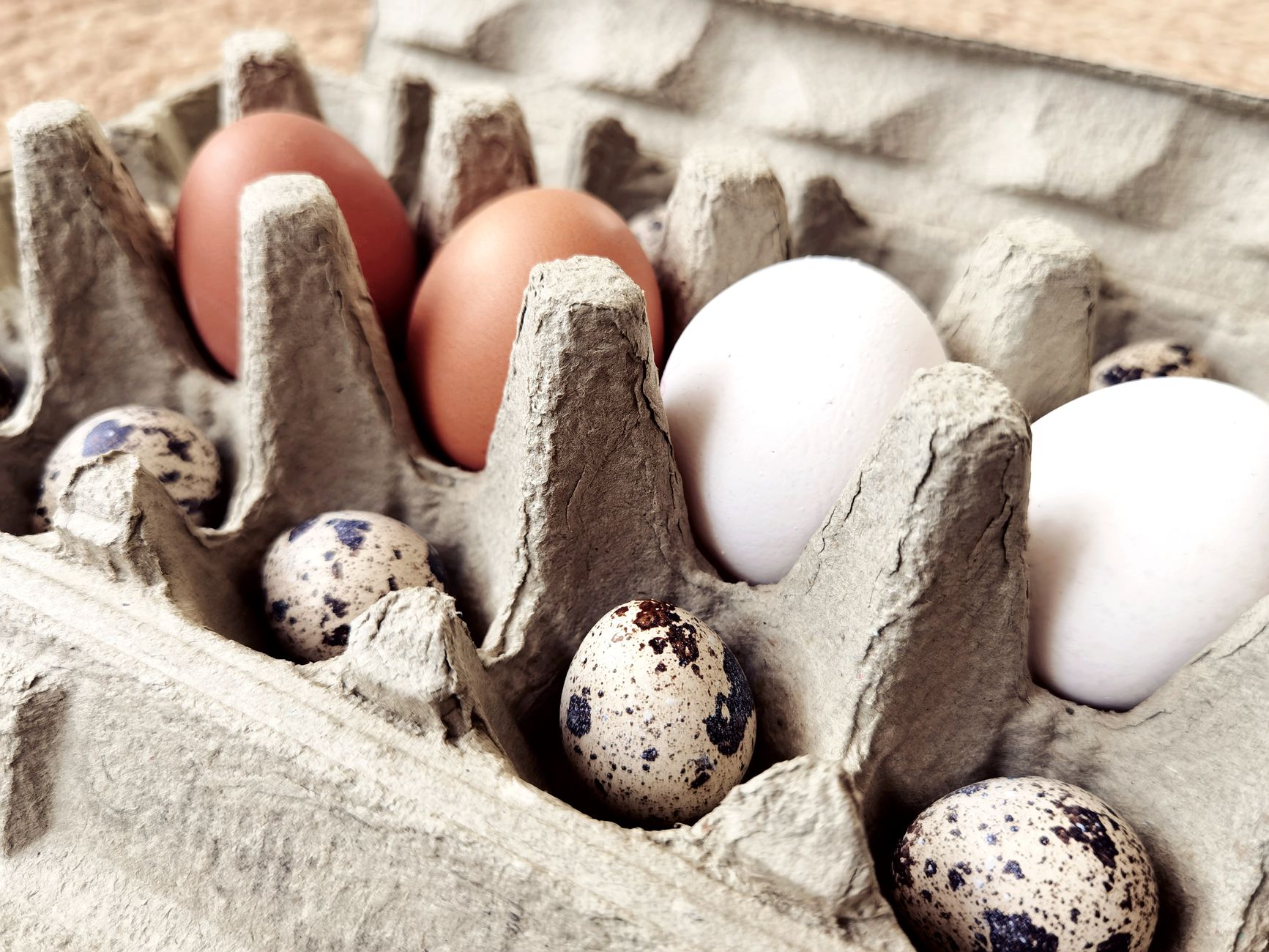
Farm fresh eggs are often prized for their rich flavor and vibrant yolks. Many people wonder whether it is necessary to refrigerate these delightful gems, especially when coming from local farmers or backyard chickens. Understanding how to store farm fresh eggs properly can help maintain their quality and ensure food safety.
The short answer is that you can refrigerate farm fresh eggs, but whether you should depends on several factors such as the washing process, your local climate, and how you plan to use them. In this article, we’ll explore everything you need to know about the proper storage and safety of farm fresh eggs.
Can You Refrigerate Farm Fresh Eggs?
Yes, you can refrigerate farm fresh eggs. However, if the eggs are unwashed and were produced by a healthy flock in a clean environment, they can be stored at room temperature for up to several weeks, depending on the temperature and humidity of your home. On the other hand, washing eggs removes the protective bloom, making refrigeration necessary to prevent bacterial contamination.
The Protective Bloom
When eggs are laid, they are coated with a natural protective layer known as the bloom or cuticle. This barrier helps keep out bacteria and moisture, making it possible for unwashed eggs to remain fresh for an extended period, sometimes even over a month when stored at room temperature.
When you wash farm fresh eggs, you inadvertently remove this protective layer. This is why eggs that have been washed should always be refrigerated, since they are more susceptible to spoilage and bacterial growth.
Washing vs. Not Washing Eggs
Here’s a quick comparison of the two methods based on whether the eggs are washed or not:
- Unwashed Eggs: Can be stored at room temperature for several weeks, provided they are kept in a cool, dry place.
- Washed Eggs: Must be refrigerated immediately to maintain freshness and safety.
How to Store Farm Fresh Eggs
Proper storage of farm fresh eggs can significantly prolong their shelf life while maintaining their quality. Here are some recommendations:
Storage Temperatures
Eggs are best stored at consistent temperatures. The ideal storage temperature for fresh eggs is around 32°F to 40°F (0°C to 4°C). Utilizing the refrigerator is an excellent way to maintain this environment.
Room Temperature Storage
If you choose to store unwashed eggs at room temperature, consider these tips:
- Find a cool, dry area away from sunlight, such as a cupboard or pantry.
- Keep them in their original carton to protect them from absorbing odors and to prevent cracking.
- Store them pointed end down, which may help preserve the air cell and prolong freshness.
Refrigeration Storage
For refrigerated eggs, follow these guidelines:
- Store them in their original carton to prevent moisture loss and to prevent odor absorption.
- Place them in the main body of the fridge rather than the door, as the temperature is more stable.
- Keep the eggs pointed end down for optimal freshness.
How Long Can Farm Fresh Eggs Last?
The storage duration for farm fresh eggs can vary based on whether they are washed or unwashed:
Unwashed Eggs
When kept at room temperature, unwashed farm fresh eggs can remain fresh for about 2 to 3 weeks or even longer in cooler conditions. If refrigerated, they can last for about 3 to 6 months, without a noticeable loss in quality.
Washed Eggs
Washed farm fresh eggs should ideally be used within 3 weeks when stored in the refrigerator. However, they can still be safe to consume for a longer period if they have been properly refrigerated.
Checking Egg Freshness
Regardless of how eggs are stored, it’s essential to regularly check their freshness before use. Here are some effective methods to test if the eggs are still good:
Water Test
Fill a bowl with water and gently place the egg inside.
- If it sinks to the bottom and lays flat, it is very fresh.
- If it stands upright, it is still good but should be used soon.
- If it floats, it has likely spoiled and should be discarded.
Sniff Test
Although it might seem intuitive, a quick sniff of the egg after cracking it open can be a definite indicator. A sulfuric, rotten smell is a clear sign of spoilage.
Visual Inspection
Before cracking the egg, check for any unusual discoloration or damage to the shell. If the shell appears slimy or excessively dirty, it’s best to discard the egg.
Common Mistakes When Storing Eggs
While it can be straightforward, there are several common mistakes people make when storing farm fresh eggs:
- Assuming All Eggs Are Created Equal: Not all eggs will last the same amount of time. Time and storage conditions can vary significantly.
- Storing Eggs at the Wrong Temperature: Eggs stored close to the refrigerator door might not maintain the necessary cool temperature.
- Not Recognizing Potential Spoilage: Ignoring signs of spoilage leads to health risks, so always check the freshness of eggs before using.
Storage Safety Tips
To ensure your farm fresh eggs remain safe and delicious, consider the following key storage safety tips:
- Wash hands and sanitize surfaces before handling eggs to prevent cross-contamination.
- Avoid washing eggs until just before use to preserve the protective bloom.
- Keep eggs in their original carton to protect them and prevent odor absorption from other foods in the fridge.
- Establish a “first in, first out” system by moving older eggs to the front of the carton.
Using Farm Fresh Eggs in Recipes
Farm fresh eggs can be used in a wide variety of dishes ranging from breakfast to baked goods. Their richer flavor and vibrant color enhance many recipes. Consider these popular ways to use fresh eggs:
Breakfast Dishes
Whether poached, scrambled, or fried, farm fresh eggs can be a star player at breakfast. Their rich yolks add depth to dishes like:
- Classic scrambled eggs with herbs.
- Shakshuka, an egg and tomato stew.
- Eggs Benedict topped with hollandaise sauce.
Baking with Eggs
Fresh eggs are crucial in baking as they provide moisture, structure, and leavening. Recipe suggestions include:
- Fluffy cakes that require beaten eggs for aeration.
- Rich custards and puddings that rely on eggs as a thickening agent.
- Egg-based pasta or homemade noodles for a firmer texture.
Cooked Egg Dishes
Many savory dishes benefit from the addition of eggs:
- Frittatas packed with vegetables and cheese.
- Quiches with various fillings for a versatile meal.
- Soufflés that rise and create a light, airy texture.
Make-Ahead Tips for Using Fresh Eggs
For meal prep enthusiasts, farm fresh eggs can be cooked in advance for quick, nutritious meals. Here are some ideas:
- Boil eggs in batches and use them throughout the week in salads or as snacks.
- Prepare frittatas or quiches ahead of time and reheat slices for breakfast or lunch.
- Freeze scrambled eggs or egg dishes for convenience, but consume them within one year for best quality.
Conclusion
Storing farm fresh eggs in an appropriate manner is essential to maintain their quality and safety. Depending on how the eggs were handled after laying, you have the option to store them at room temperature or in the refrigerator. By following proper storage techniques and safety tips, you can enjoy fresh, delicious eggs for a longer time. Always remember to check for freshness before use, even if the eggs are properly stored.
Explore related recipes and cooking tips to make the most of your farm fresh eggs, including how long can you keep eggs in the refrigerator or how long do eggs last after sell-by date.