
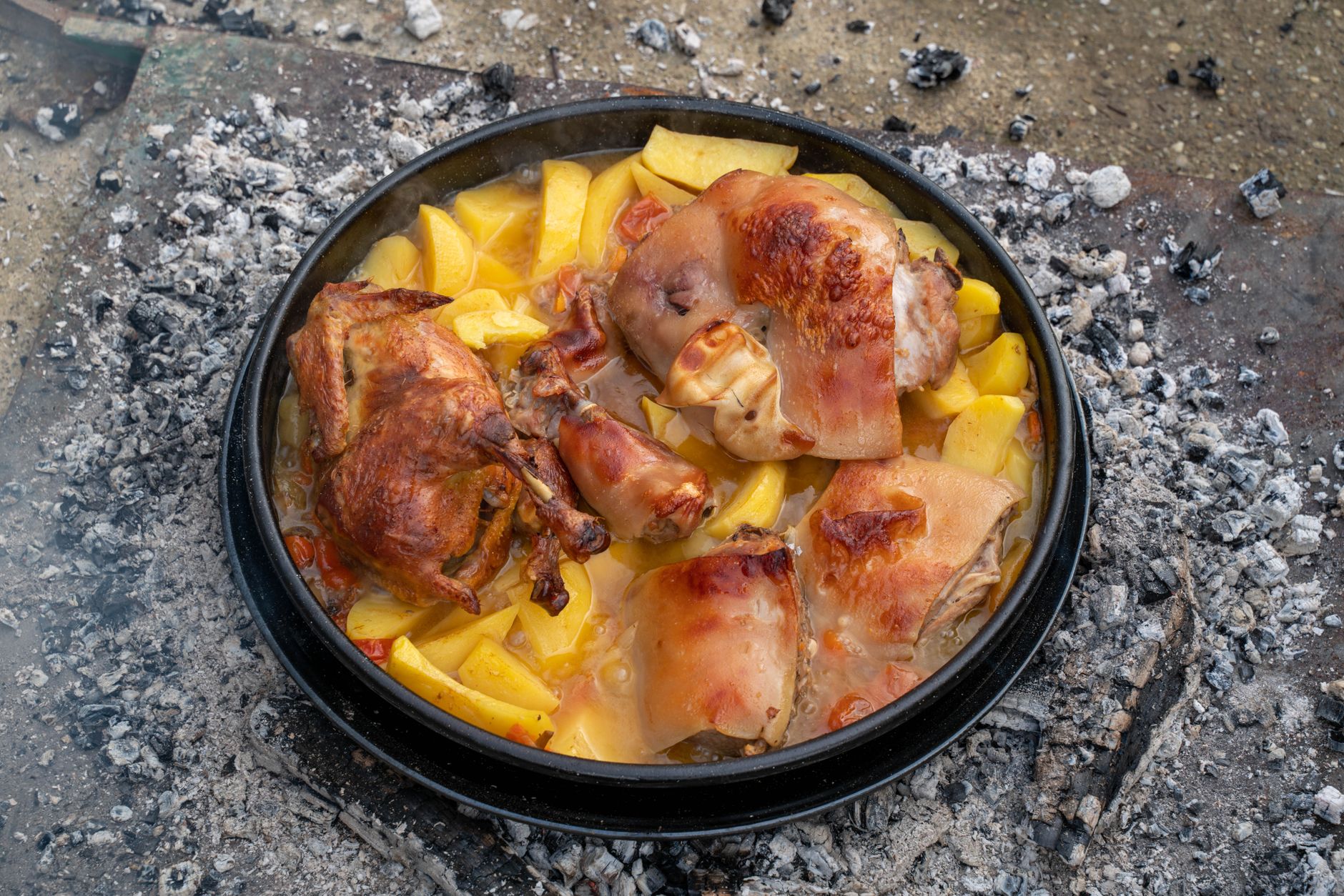
The convenience of a crock pot makes it a popular choice for effortless meals, especially for busy households. But when it comes to cooking frozen meats, such as pork roast, many wonder if it’s safe and effective to toss it straight into the slow cooker. This guide will help you understand the best practices for using a frozen pork roast in a crock pot, along with cooking techniques, safety considerations, and tips for achieving a delicious meal.
In this article, we’ll explore the method of cooking a frozen pork roast in the crock pot, provide guidance on suitable ingredients, and include practical tips for meal planning and preparation. Whether you’re short on time or simply looking for an easy cooking solution, this information will set the stage for a satisfying dinner.
Can You Put a Frozen Pork Roast in the Crock Pot?
Yes, you can technically put a frozen pork roast in the crock pot, but it is not recommended due to safety concerns. Cooking frozen meat can lead to uneven cooking and may not allow the meat to reach a safe internal temperature quickly enough, increasing the risk of foodborne illness. The USDA advises thawing meat before cooking it in a slow cooker. However, if you decide to proceed with a frozen pork roast, follow proper guidelines to minimize risks.
Understanding Food Safety
Food safety is the primary concern when cooking frozen meats. Here are some critical points to consider:
- Thawing Before Cooking: The safest method is to thaw the roast in the refrigerator overnight before cooking. If you’re running short on time, consider using cold water to thaw the meat.
- Cooking Time: While cooking a frozen roast is possible, it generally take longer to cook than a thawed roast. Ensure you account for this extra cooking time when planning your meal.
- Internal Temperature: The pork roast must reach an internal temperature of 145°F (63°C) to be safely consumed. Use a meat thermometer to check doneness.
Cooking Frozen Pork Roast in the Crock Pot
If you choose to cook a frozen pork roast in the crock pot, here are essential steps and tips to ensure the best results:
Essential Equipment
- Crock Pot or Slow Cooker
- Meat Thermometer
- Cutting Board
- Knife for trimming
- Measuring Cups and Spoons
Ingredients
While the choice of seasonings and sides can vary, the basic ingredients for cooking a frozen pork roast in a crock pot include:
- 1 frozen pork roast (4 to 5 pounds)
- 1-2 cups of broth (chicken, beef, or vegetable)
- 1 onion, sliced
- 3-4 cloves of garlic, minced
- Carrots, potatoes, and any additional vegetables (optional)
- Salt and pepper (to taste)
- Herbs and spices (such as thyme, rosemary, or paprika)
Step-by-Step Cooking Method
- Preparation: Begin by gathering all your ingredients and equipment. Place the frozen pork roast directly into the crock pot. Do not attempt to cut or thaw the meat at this point.
- Adding Liquid: Pour 1-2 cups of broth into the crock pot. This will not only help with moisture but also enhance the flavor.
- Adding Aromatics: Layer the sliced onions and minced garlic on top of the roast. You can also add chopped veggies like carrots and potatoes if you desire.
- Seasoning: Sprinkle salt, pepper, and your choice of herbs and spices evenly over the roast. This will infuse flavor as the meat cooks.
- Setting the Slow Cooker: Cover with the lid and set the slow cooker to cook on low for 8-10 hours or on high for 4-6 hours. If cooking from frozen, it is recommended to cook on low.
- Check Temperature: About an hour before the cooking time is done, use a meat thermometer to check the internal temperature. Ensure it reaches at least 145°F (63°C).
- Serving: Once cooked, remove the roast from the crock pot and let it rest for about 10-15 minutes before slicing. This allows the juices to redistribute for a more flavorful result.
Common Mistakes to Avoid
When cooking a frozen pork roast in the crock pot, watch out for these common pitfalls:
- Skipping the Thermometer: Always use a meat thermometer to confirm the roast is properly cooked. Relying solely on timing can lead to undercooked meat.
- Overcrowding the Crock Pot: If you add too many vegetables, the cooking process may slow down. Leave adequate space for heat circulation.
- Using Too Much Liquid: Too much broth can result in a watery dish. Start with the minimum amount and add more if necessary.
- Not Allowing for Resting Time: Skipping the resting period after cooking may cause the meat to become tough and dry.
Variations and Substitutions
Feel free to customize your pork roast recipe using these substitutions and variations:
- Different Meat Cuts: You can use tenderloin, shoulder, or butt roasts. Cooking times may vary depending on the cut’s size and fat content.
- Broth Options: Instead of store-bought broth, consider homemade stock or even apple cider for added sweetness.
- Vegetable Choices: Mix up your vegetables with items like parsnips, turnips, or bell peppers based on seasonal availability.
- Spice Variations: Experiment with different herbs like sage or using BBQ seasoning for a different flavor profile.
Meal Planning with Pork Roast
Pork roasts are a great option for meal planning. Here are a few tips on how to incorporate them effectively:
- Batch Cooking: Cook larger portions of pork roasts, then refrigerate or freeze leftovers for easy weekday meals.
- Serving Suggestions: Pair the roast with a variety of sides, such as rice, roasted vegetables, or a fresh salad.
- Reinvent Leftovers: Use leftover pork for sandwiches, tacos, stir-fries, or salads throughout the week.
Storage and Reheating Tips
Proper storage and reheating can help maintain the quality of your cooked pork roast:
- Storing Leftovers: Allow the roast to cool before storing it in an airtight container in the fridge. Consume within 3-4 days.
- Freezing: For long-term storage, freeze leftover pork roast in well-sealed bags or containers for up to three months.
- Reheating: To reheat, do so gently in the oven or a stovetop pan to maintain moisture. Avoid using a microwave, as it can dry out the meat.
Conclusion
Cooking a frozen pork roast in the crock pot can be a simple and convenient way to prepare dinner, but attention to food safety is crucial. Thawing your meat beforehand is the best practice to ensure a juicy, flavorful result. Whether you opt for a traditional seasoning or explore creative variations, this method can yield delightful meals with minimal hands-on time.
Next, consider checking out our recipes for a simple crockpot ham or learn how long to bake boneless pork chops. These guides will further enhance your cooking repertoire and make meal preparation smoother.