
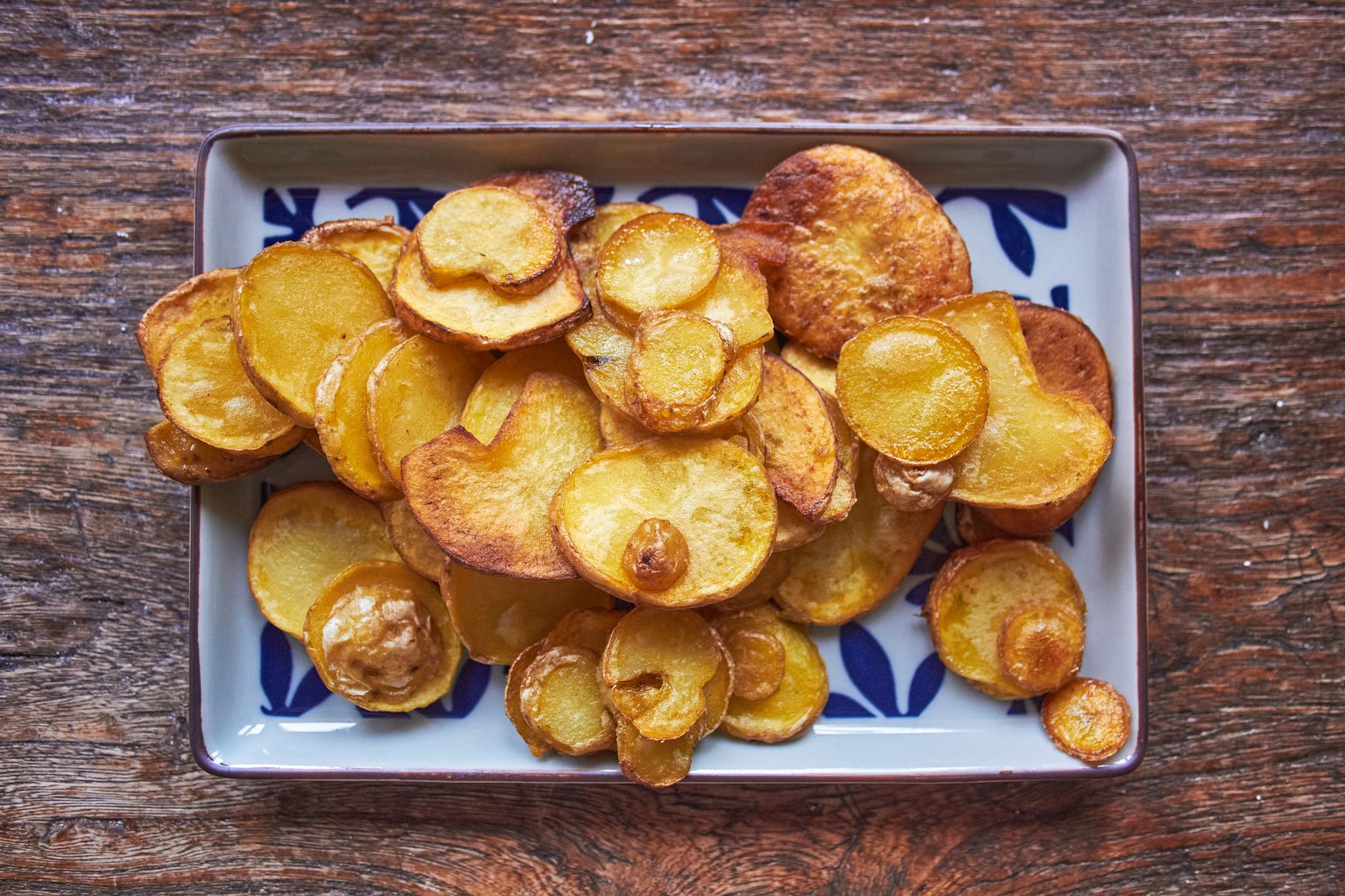
Baking a potato is a simple, satisfying process that transforms a humble ingredient into a fluffy, tender side dish or main course. Despite its ease, many home cooks wonder, can you over bake a potato? This article will explore the nuances of baking potatoes, covering everything from optimal preparation and timing to serving suggestions, ensuring you achieve perfect results every time without compromising flavor or texture.
The baked potato offers a creamy interior and a crispy skin that can complement a wide range of dishes. However, knowing how to bake a potato correctly can make all the difference in taste and presentation. Let’s delve deeper into this popular cooking method and settle the question of over baking potatoes once and for all.
Can You Over Bake a Potato?
Yes, you can over bake a potato. When potatoes are baked too long, they can become dry and tough, resulting in a less enjoyable texture. The ideal baking time will vary depending on the potato size, type, and oven temperature, but following proper timing guidelines will help you avoid this mistake.
Understanding Potatoes: Types and Their Characteristics
Before diving into the baking process, it’s essential to understand the different types of potatoes and their baking properties. While most people may think of russet potatoes as the standard for baking, there are other varieties worth considering.
Common Types of Potatoes
- Russet Potatoes: Known for their high starch content, russets are the gold standard for baked potatoes. They have a thick skin and fluffy interior when cooked.
- Yukon Gold Potatoes: These are medium-starch potatoes, offering a creamy texture and a buttery flavor. While they can be baked, their texture may not be as fluffy as russets.
- Red Potatoes: These low-starch potatoes have a waxy texture that holds up well during cooking. They are more suitable for boiling or roasting than baking.
- Sweet Potatoes: While not technically potatoes, sweet potatoes are often included. They have a naturally sweeter flavor and can be baked similarly. However, they have a different baking time and method.
Preparation: Preparing a Potato for Baking
The right preparation can significantly influence the outcome of your baked potato. Here are the steps you should follow to prepare your potatoes:
- Select Quality Potatoes: Look for firm, blemish-free potatoes. Avoid those with green spots or sprouts.
- Wash Thoroughly: Rinse the potatoes under running water to remove dirt and debris. Scrub them gently with a vegetable brush.
- Poke Holes: Use a fork to poke several holes in each potato. This step allows steam to escape during baking and prevents the potato from bursting.
- Oil and Season (Optional): For extra crispy skin, rub the potatoes with a little olive oil and sprinkle with salt before baking.
Timing: Bake Your Potatoes to Perfection
One of the most critical aspects of baking potatoes is adhering to proper timing. The cooking time can vary based on the size of the potatoes and oven temperature. Here’s a general guideline:
- Small Potatoes (3-4 ounces): Bake for 40-50 minutes at 425°F (220°C).
- Medium Potatoes (5-8 ounces): Bake for 55-60 minutes at 425°F (220°C).
- Large Potatoes (10-12 ounces): Bake for 60-75 minutes at 425°F (220°C).
Keep in mind that these times are estimates. It’s advisable to start checking for doneness about 10 minutes before the minimum time. A perfectly baked potato is tender inside when pierced with a fork.
Common Signs of Over Baking
Understanding how to determine when a potato is overcooked is just as important as knowing when it is done. Here are some signs to look for:
- Dried Out Flesh: The inside will feel dry and crumbly instead of fluffy and moist.
- Hard Skin: Overcooked potatoes can develop a tough outer layer.
- Burnt Odor: A strong, charred smell may indicate potatoes are past their prime.
Serving Suggestions and Ideas for Your Baked Potatoes
Once your potatoes are baked to perfection, it’s time to serve them. Baked potatoes are incredibly versatile and can be paired with various toppings and sides. Here are some serving suggestions:
Classic Toppings
- Butter and Salt: Always a favorite. The richness of butter enhances the flavor.
- Sour Cream and Chives: Creamy and flavorful, adds a fresh element.
- Cheddar Cheese: Melted cheese elevates the potato to a new level.
Creative Combinations
- BBQ Chicken: Top your baked potato with shredded BBQ chicken and coleslaw for a hearty meal.
- Chili: Pour chili over your potato for a filling option.
- Vegetarian Option: Top with sautéed mushrooms, spinach, and garlic for a healthy twist.
Common Mistakes When Baking Potatoes
Baking potatoes seems straightforward, but certain pitfalls can affect the outcome. Here are common mistakes to avoid:
- Skipping the Fork Pokes: Not poking holes can lead to the potato bursting in the oven.
- Using Cold Potatoes: Letting the potatoes come to room temperature before baking ensures even cooking.
- Baking at Too High or Low Temp: Finding the right temperature (usually around 425°F/220°C) is crucial for ensuring the skin crisps without drying out the inside.
Creative Variations and Flavor Infusions
Baked potatoes are a blank canvas for numerous flavors. You can experiment with different oils, herbs, and spices during preparation. Here are some variations to try:
- Herb-Infused Oil: Try infusing olive oil with garlic and fresh herbs like rosemary or thyme.
- Spicy Twist: Add chili powder, paprika, or even jalapenos for a kick.
- Sweet Variation: For a sweet potato twist, add cinnamon and nutmeg before baking.
Make-Ahead Tips for Baked Potatoes
If you’re planning a gathering or meal preparation, making baked potatoes ahead can save time. Here’s how to do it:
- Bake in Advance: Bake the potatoes up to two days before you plan to serve them.
- Cool and Store: Once baked, allow them to cool, wrap them in foil, and store in the refrigerator.
- Reheat: Reheat in the oven at 350°F (175°C) for 20-30 minutes or until heated through.
Storage and Reheating Guidance
Storing baked potatoes properly will help maintain their texture and flavor. Here are some guidelines:
- Refrigeration: Store baked potatoes in an airtight container in the refrigerator for up to three days.
- Freezing: Baked potatoes can be frozen but will have a different texture upon reheating. Wrap each potato in foil, then in plastic wrap and freeze.
- Reheating Methods: Reheat in the oven or microwave, but the oven will help maintain a crisp skin. Heat in the oven at 350°F (175°C) for about 20-30 minutes or in the microwave for 3-5 minutes.
Final Thoughts on Baking Potatoes
Baking a potato may seem simple, but taking the time to understand the process can elevate your dish. Avoiding over baking is key to achieving a fluffy texture and excellent flavor. Remember to prepare the potatoes properly, monitor baking times, and experiment with different toppings and variations.
By following these tips, you can create delicious baked potatoes that are nuanced yet easy to prepare while catering to a variety of tastes and preferences.
If you enjoyed reading about how to bake potatoes, you might find interest in related recipes and cooking guides. Explore how to bake a sweet potato with our guide: How Long to Bake a Sweet Potato, or try our unique take on tubers with White Sweet Potato Recipe. Happy cooking!