
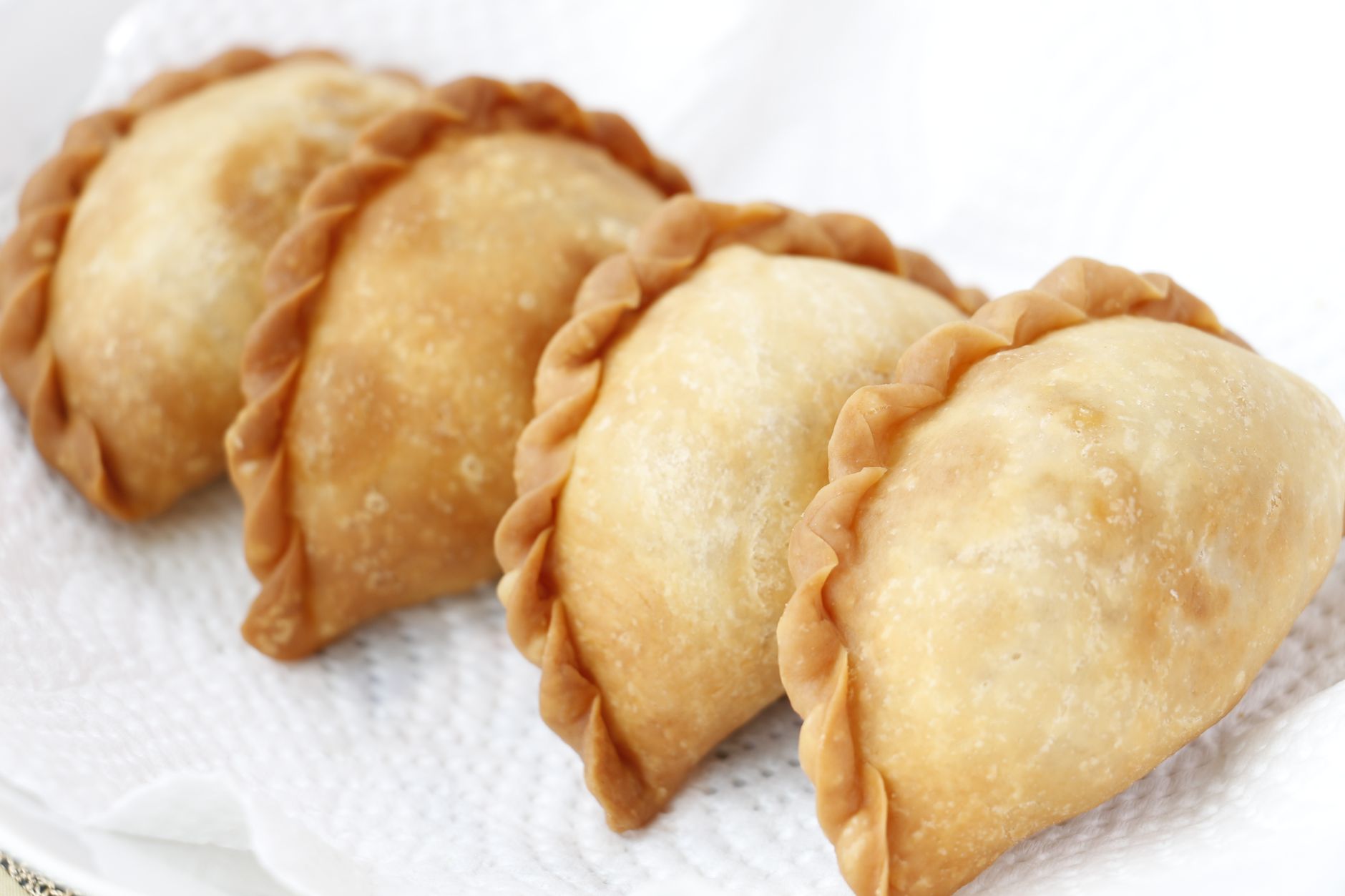
Puff pastry is a versatile, flaky dough known for its light, airy layers and is typically baked to achieve its signature texture. But can you fry puff pastry? The answer is yes! Frying puff pastry introduces a delightful crunch while maintaining the soft, layered characteristics, creating a unique and delicious treat.
In this guide, we’ll cover everything you need to know about frying puff pastry, from preparation and cooking techniques to serving suggestions. Whether you’re looking to make sweet or savory snacks, this article will equip you with the skills to master this delightful cooking method.
Can You Fry Puff Pastry?
Yes, you can fry puff pastry! Frying puff pastry gives it a crispy texture, resulting in a delightful snack or appetizer. With the right techniques and tips, you can enhance the flavor and presentation of your puff pastry treats.
Understanding Puff Pastry
Puff pastry is made from a simple mixture of flour, water, butter, and salt. The dough is rolled and folded multiple times to create layers, which puff up when baked due to the steam generated between the layers. Its delicate layers make puff pastry a favorite in both sweet and savory culinary applications.
Preparation for Frying Puff Pastry
Before frying puff pastry, proper preparation is crucial to achieve the best possible results. Here’s how to prepare it:
Choosing Your Puff Pastry
- Store-bought vs. Homemade: You can use store-bought frozen puff pastry or make your own from scratch. Frozen pastry is convenient and saves time.
- Defrosting: If using frozen puff pastry, ensure it is completely thawed before working with it to avoid an uneven texture.
- Quality: Choose a high-quality puff pastry for the best results, as this impacts the flavor and flakiness.
Rolling and Cutting
- On a lightly floured surface, gently roll out the pastry to about 1/8-inch thickness. This allows for even cooking and a nice texture.
- Cut the rolled pastry into your desired shapes, such as squares, triangles, or circles depending on your recipe or preferred serving style.
- Consider adding fillings if you want to create stuffed pastries. Popular filling options include sweet jams, chocolate, cheese, or seasoned vegetables.
Chilling the Pastry
After you have rolled and cut the pastry, chill it in the refrigerator for at least 30 minutes. This step helps maintain the flakiness during frying.
Frying Techniques for Puff Pastry
When frying puff pastry, the method you choose will impact the final texture and flavor. Here are some effective techniques to fry puff pastry:
Deep Frying Puff Pastry
Deep frying is the most common technique for achieving crispy, golden puff pastry. Here’s how to do it:
- Choose Your Oil: Select an oil with a high smoke point, such as vegetable oil, canola oil, or peanut oil, which are ideal for deep frying.
- Preheat the Oil: Heat the oil in a deep fryer or a heavy-bottomed pot to 350°F (175°C). A food thermometer can help ensure the oil is at the correct temperature.
- Carefully Add the Pastry: Gently lower the cut pieces of puff pastry into the hot oil using a slotted spoon, frying a few pieces at a time to avoid overcrowding.
- Cooking Time: Fry for about 2-4 minutes on each side or until golden brown. Use a slotted spoon to turn them halfway through to ensure even cooking.
- Drain Excess Oil: Once golden and crispy, remove the pastries from the oil and place them on a plate lined with paper towels to absorb excess oil.
Shallow Frying Puff Pastry
If you prefer a healthier alternative to deep frying, you can shallow fry puff pastry. Here’s the process:
- Oil in the Pan: Pour about 1/4 inch of oil into a skillet and heat it over medium heat.
- Place the Pastry: Add the puff pastry pieces to the skillet, ensuring they are not touching.
- Fry One Side: Fry until golden brown, approximately 3-5 minutes, then carefully flip them to fry the other side.
- Monitor Temperature: Ensure the oil does not smoke; adjust the heat as necessary to maintain a steady cooking temperature.
Serving Suggestions for Fried Puff Pastry
Fried puff pastry can be served in various ways, depending on the fillings and your occasion. Here are some enticing ideas:
Sweet Variations
- Powdered Sugar Dusting: Once fried, dust the pastries with powdered sugar for a sweet finish.
- Serve with Dips: Pair with chocolate sauce, fruit compote, or whipped cream for a delicious dessert.
- Stuff with Sweet Fillings: Fill with chocolate, custard, or fruit preserves before frying for a delightful treat.
Savory Variations
- Serve with Dipping Sauces: Try them with garlic aioli, sour cream, or salsa for a savory appetizer.
- Fill with Meats and Cheeses: Create a treat filled with seasoned meats, cheeses, or vegetables for a savory snack.
- Presentation: Arrange fried pastry on a platter with herbs or greens for an elegant touch.
Common Mistakes to Avoid When Frying Puff Pastry
To achieve the best results when frying puff pastry, be aware of these common mistakes:
- Overcrowding the Fryer: Fry in small batches to ensure even cooking and maintain the oil temperature.
- Insufficient Heat: Ensure the oil reaches the correct temperature before adding the pastry to prevent sogginess.
- Skipping the Chill: Don’t skip the chilling step after cutting the pastry, as it helps maintain the structure during frying.
- Using Low-Quality Oil: Choose a suitable oil to avoid off flavors and achieve the best crispiness.
Troubleshooting Fried Puff Pastry
If you encounter issues, here are some solutions to common problems:
- Pastries Not Puffing: Ensure the dough was not overworked and that it was properly chilled before frying.
- Soggy Texture: Check your frying temperature; too low can cause the pastry to absorb more oil.
- Underwhelming Flavor: Experiment with seasonings in the dough or fillings to enhance flavor profiles.
Storage and Reheating Fried Puff Pastry
For optimal enjoyment, fried puff pastry is best served fresh. However, if you need to store leftovers, follow these guidelines:
- Storage: Allow the fried pastries to cool completely, then store them in an airtight container in the refrigerator for up to 2 days.
- Reheating: To retain crispiness, reheat in an oven at 350°F (175°C) for about 10-15 minutes. Avoid microwaving, as this will make them soggy.
Creative Variations and Ideas for Fried Puff Pastry
Expand your culinary horizons by experimenting with these creative ideas:
Spiced and Savory Fillings
- Incorporate spices like cumin, coriander, or smoked paprika into your savory fillings for added depth.
- Look at regional inspiration for unique flavor combinations, such as Mediterranean, Asian, or Latin influences.
Sweet Treats
- Try a s’mores version with chocolate, marshmallows, and graham cracker crumbs as a filling before frying.
- Experiment with various fruit fillings—peach, blueberry, or cherry for a seasonal twist.
Conclusion
Frying puff pastry opens a world of culinary possibilities. Whether served sweet or savory, this technique adds a delightful crunch to the delicate layers of your pastry. With the preparation tips, frying techniques, and serving suggestions provided, you are now equipped to experiment with puff pastry beyond the oven.
Ready to start your puff pastry adventure? Explore related recipes and insights such as our apple puff pastry recipe or dive into the world of textures with our fry bread recipe.