
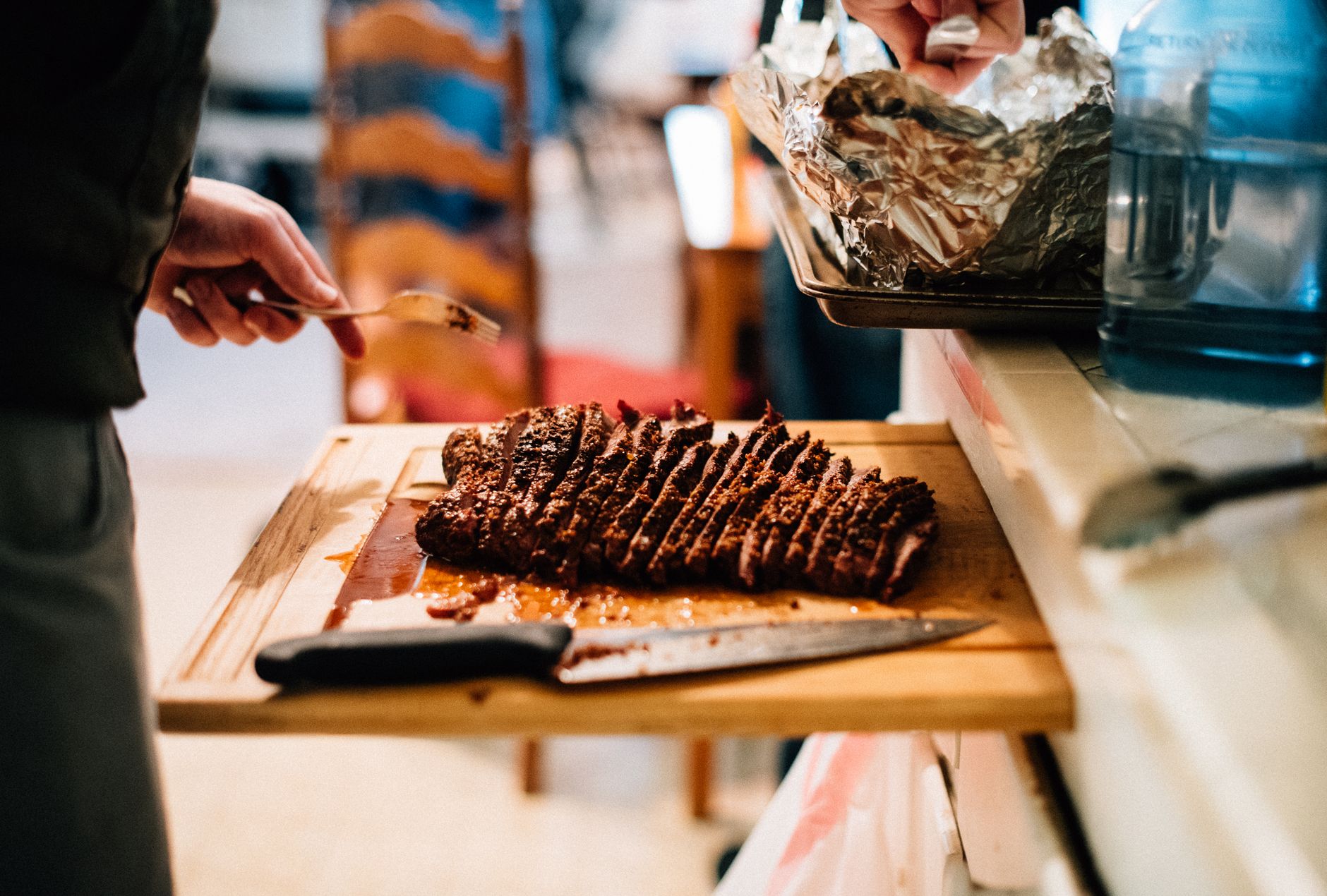
Cooked brisket is a flavorful and tender cut of meat that is often enjoyed in various dishes and gatherings. However, once you have prepared a delicious batch, you might find yourself wondering about the best ways to preserve leftovers. One common question arises: can you freeze cooked brisket?
The answer is yes, you can freeze cooked brisket. Properly freezing this delicious cut not only helps prevent waste but also allows you to enjoy it later, without sacrificing flavor or texture. In this article, we will explore effective freezing and thawing techniques, providing tips to ensure your brisket maintains its quality for future meals.
Can You Freeze Cooked Brisket?
Yes, cooked brisket can be frozen for later use. When done correctly, freezing helps to preserve both the taste and texture of the meat. The right techniques in storage and thawing can ensure that your brisket remains just as satisfying when it’s pulled out of the freezer as it was when initially cooked.
Why Freeze Cooked Brisket?
There are several reasons to freeze cooked brisket:
- Preservation: Freezing allows you to keep leftovers without spoiling.
- Convenience: Having pre-cooked brisket on hand can make meal prep easier for busy days.
- Cost-effective: Cooked brisket can be relatively expensive; freezing it prevents waste and helps you save money.
- Flavor enhancement: Freezing can sometimes help to enhance flavors as the meat sits, making it even more enjoyable when reheated.
How to Freeze Cooked Brisket Properly
To freeze cooked brisket effectively, follow these steps:
1. Cool the Brisket
Before freezing, it’s essential to allow the brisket to cool down to room temperature. However, do not let it sit out for too long; ideally, let it cool for no more than two hours to minimize the risk of bacterial growth.
2. Portion the Brisket
Consider how you plan to use the brisket after thawing. It may be helpful to slice or chop the brisket into manageable portions. This way, you can thaw only what you need.
3. Wrap the Brisket
Use airtight materials to wrap the brisket. Here are the recommended methods:
- Plastic Wrap: Wrap the brisket tightly in plastic wrap, ensuring it’s snug to remove as much air as possible.
- Aluminum Foil: After wrapping it in plastic, you may also wrap it with aluminum foil for extra protection.
- Freezer Bags: Place the wrapped brisket into a freezer-safe bag, squeezing out as much air as possible before sealing.
- Vacuum Sealing: For optimal preservation, vacuum sealing is highly recommended as it effectively removes air and prevents freezer burn.
4. Label and Date the Packaging
Don’t forget to clearly label the packaging with the date of freezing. This will help you keep track of how long the brisket has been in the freezer.
5. Store in the Freezer
Place the wrapped and labeled brisket in the coldest part of your freezer. Properly stored, it can maintain its best quality for about three months, although it can last up to six months in the freezer without significant loss of flavor.
Thawing Cooked Brisket
Thawing is just as important as freezing to ensure the quality of your cooked brisket. Here are some tips for safe and effective thawing:
1. Refrigerator Thawing
The best method for thawing cooked brisket is to place it in the refrigerator. This allows for a slow and safe thaw, preserving both flavor and texture. Take the brisket out of the freezer and transfer it to the refrigerator. Depending on the size, this can take anywhere from 6 to 24 hours.
2. Cold Water Thawing
If you need to thaw the brisket more quickly, you can submerge it in cold water. Ensure the brisket is well-wrapped to avoid water entering. Change the water every 30 minutes to keep it cold. Small portions may thaw in about an hour or less, while larger portions could take longer.
3. Microwave Thawing
While you can use a microwave to thaw cooked brisket, this method is the least preferred as it can lead to uneven heating, affecting texture. If you opt for this method, ensure you use the defrost setting and plan to cook the brisket immediately after thawing.
Reheating Cooked Brisket
Once thawed, reheating brisket properly is crucial for maintaining its tenderness and flavor. Here are some reheating methods:
1. Oven Reheating
- Preheat your oven to 325°F (163°C).
- Place the brisket in a baking dish, adding a splash of broth or water to maintain moisture.
- Cover the dish with aluminum foil to prevent it from drying out.
- Bake for about 30 to 45 minutes, or until the internal temperature reaches 165°F (74°C).
2. Stovetop Reheating
- Thinly slice the brisket for quicker heating.
- In a skillet, heat a small amount of broth or water over medium-low heat.
- Add the brisket slices and cover. Allow them to heat for several minutes, flipping occasionally until warmed through.
3. Microwave Reheating
- Place the brisket in a microwave-safe container.
- Cover it with a damp paper towel to retain moisture.
- Heat on medium power, checking every minute until heated through.
Tips for Preventing Freezer Burn
Freezer burn can degrade the quality of your brisket. Here are tips to avoid it:
- Ensure all air is removed from the packaging.
- Keep the freezer at a constant temperature below 0°F (-18°C).
- Avoid overloading the freezer, which can reduce air circulation.
- Use a vacuum sealer when possible for the best protection against freezer burn.
Common Mistakes When Freezing and Thawing Brisket
Here are some frequent pitfalls to avoid:
- Not cooling brisket completely before freezing can lead to ice crystals forming.
- Freezing brisket with sauces or gravies can alter its texture; consider freezing separately.
- Not properly labeling can lead to forgotten food items, risking spoilage.
Creative Ways to Use Leftover Cooked Brisket
Once you’ve thawed and reheated your cooked brisket, consider these delicious ideas for using it:
- Brisket Sandwiches: Slice the brisket thin, serve it on a bun, and add your favorite toppings.
- Brisket Tacos: Chop the brisket and fill tortillas, adding your favorite salsa and toppings.
- Brisket Chili: Dice the brisket and incorporate it into a hearty chili for a delicious meal.
- Brisket Hash: Combine chopped brisket with potatoes and vegetables for a savory breakfast hash.
Storage Guidelines for Cooked Brisket
Aside from freezing, understanding how to store cooked brisket can help maintain its quality:
Refrigeration
Cooked brisket can be safely stored in the refrigerator for three to four days. Store it in an airtight container or wrap it tightly with plastic wrap or aluminum foil.
Signs of Spoilage
Always check for signs of spoilage before consuming stored brisket. Look for:
- Unpleasant or sour smell
- Discoloration
- Slime or unusual texture
Conclusion
Freezing cooked brisket is a handy way to preserve leftovers while ensuring that the flavors and textures remain intact. By following the correct freezing, thawing, and reheating methods, you can enjoy this delicious cut of meat well beyond its initial preparation. It provides flexibility in meal planning while preventing waste. So, go ahead and freeze your cooked brisket with confidence!
For more tips on freezing cooked meats, check out our articles on freezing cooked chicken and freezing chili. Happy cooking!