
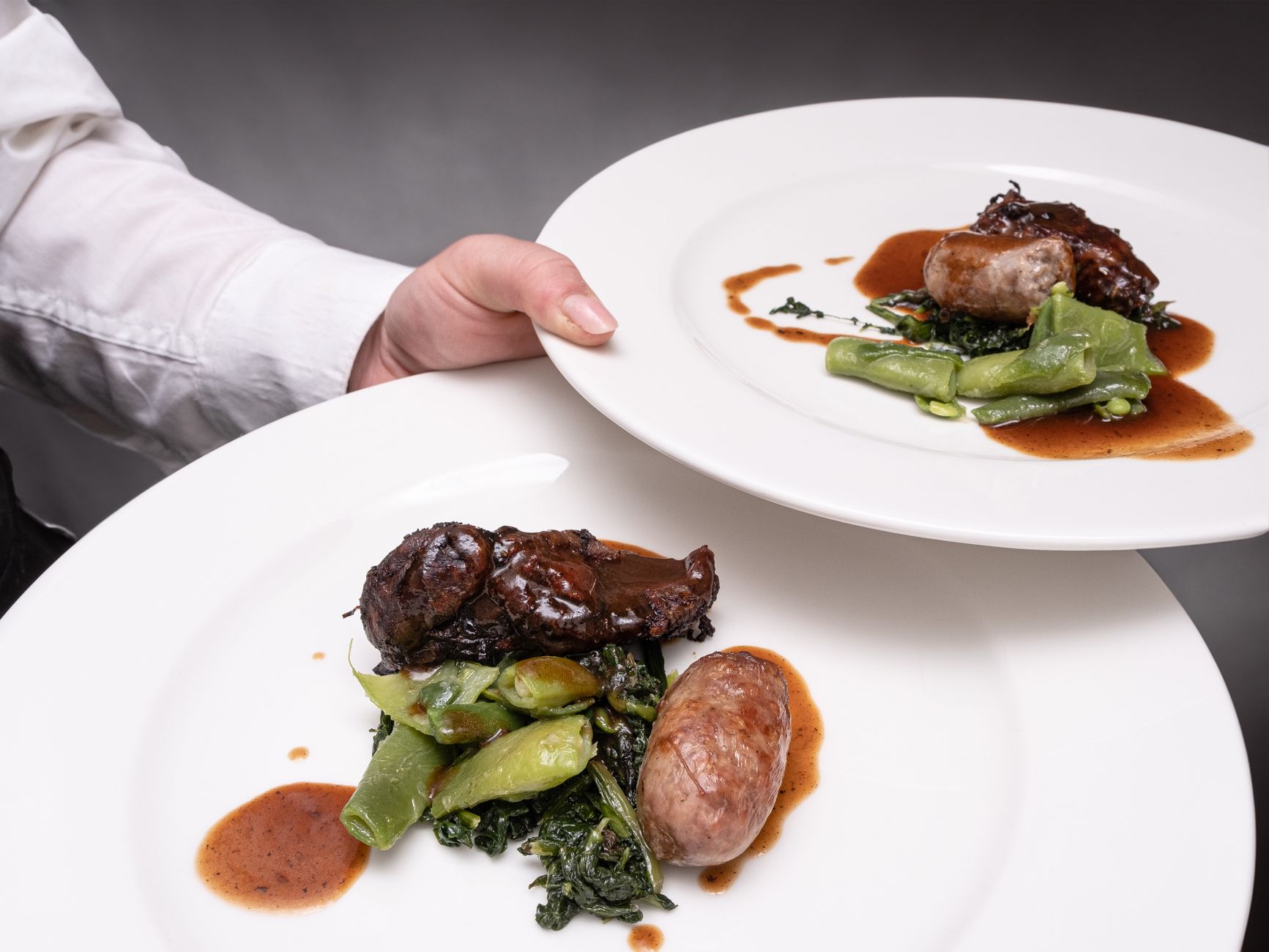
Pregnancy is a time of careful consideration, especially regarding diet. Many expectant mothers often wonder about the safety and nutritional value of different foods, including venison. This article addresses the question: can you eat venison while pregnant, and explores the dietary considerations surrounding this lean, game meat.
Venison is prized for its rich flavor and nutritional benefits, but understanding its safe preparation and consumption during pregnancy is crucial. Let’s dive into the health aspects of venison, its nutritional profile, potential risks, and how to enjoy it safely.
Can You Eat Venison While Pregnant?
Yes, you can eat venison while pregnant, but there are important safety guidelines and cooking methods to follow. Pregnant women can benefit from the high protein content and various nutrients found in venison. However, proper cooking and sourcing from a reliable supplier are essential to minimize any risks associated with consuming game meat.
Understanding Venison: What Is It?
Venison refers to the meat of deer and is often considered a healthier alternative to traditional meats like beef or pork. It is typically leaner and has lower fat content, making it a popular choice among health-conscious individuals. The flavor of venison is often described as rich and slightly gamey, bringing depth to many dishes.
Nutritional Profile of Venison
Venison is known for its impressive nutritional benefits. Here’s a breakdown of its key nutrients:
- Protein: Venison is an excellent source of protein, essential for building and repairing tissues, which is crucial during pregnancy.
- Iron: High iron content aids in the development of the fetus and helps prevent anemia in the mother.
- B Vitamins: It contains several B vitamins, including B12, which supports nerve function and energy production.
- Omega-3 Fatty Acids: Grass-fed venison has higher omega-3 fatty acids, contributing to fetal brain development.
Health Risks Associated with Venison during Pregnancy
Despite its nutritional benefits, consuming venison during pregnancy entails certain risks you should be aware of:
1. Risk of Disease
Venison can carry parasites and diseases such as Lyme disease and West Nile Virus. Additionally, chronic wasting disease (CWD) can affect deer populations and pose health risks to those who consume infected meat.
2. Foodborne Illness
Game meat, including venison, can harbor harmful bacteria like E. coli and Salmonella if not handled or cooked properly. Pregnant women are at a higher risk of foodborne illness, making safe handling and cooking crucial.
3. High Levels of Lead
Some game meats may contain lead from ammunition used during hunting, which can be harmful to the developing fetus. It is important to be cautious about the source of the venison you consume.
How to Safely Prepare Venison During Pregnancy
If you choose to consume venison while pregnant, follow these safety guidelines to minimize risks:
1. Source from Reliable Suppliers
Purchase venison from reputable suppliers who comply with health regulations. Avoid hunting or sourcing from unknown sources to reduce risks associated with diseases.
2. Proper Storage
Store venison in the refrigerator or freezer immediately after purchasing. If refrigerated, consume it within 3-5 days; if frozen, it can last several months. Always keep it at a safe temperature (below 40°F for refrigeration).
3. Thorough Cooking
Cook venison to a minimum internal temperature of 160°F (71°C) to ensure it is safe to eat. Use a meat thermometer to check doneness accurately. This temperature eradicates harmful bacteria while maintaining flavor.
4. Avoid Cross-Contamination
Use separate cutting boards and utensils for venison and other foods to prevent cross-contamination. Always wash hands and surfaces after handling raw meat.
Culinary Uses: Preparing Venison Safely
When safely sourced and cooked, venison can be incorporated into various dishes. Here are some ideas for preparing venison to enjoy its unique flavor while adhering to safety guidelines:
1. Venison Stew
A hearty venison stew can be a great way to savor this meat. The slow cooking allows the flavors to meld and tenderizes the meat.
Ingredients:
- 2 pounds venison stew meat, trimmed
- 4 cups beef broth (low-sodium)
- 2 onions, chopped
- 3 carrots, sliced
- 2 potatoes, cubed
- 3 cloves garlic, minced
- 2 tablespoons tomato paste
- 1 teaspoon dried thyme
- Salt and pepper to taste
- 2 tablespoons olive oil
Method:
- Heat olive oil in a large pot over medium heat.
- Add venison and brown on all sides.
- Add onions, garlic, and cook until softened.
- Stir in carrots, potatoes, and tomato paste, then pour in the beef broth.
- Season with thyme, salt, and pepper.
- Bring to a boil, then reduce heat and let simmer for 1.5 to 2 hours, until the venison is tender.
2. Venison Jerky
Making venison jerky at home is another way to enjoy its rich flavor while ensuring it is safely prepared. Homemade jerky allows for better control over the ingredients.
Ingredients:
- 2 pounds venison, sliced thinly
- 1/4 cup soy sauce
- 1 tablespoon Worcestershire sauce
- 1 tablespoon honey
- 1 teaspoon garlic powder
- 1 teaspoon onion powder
- 1 teaspoon smoked paprika
- Black pepper to taste
Method:
- In a bowl, mix soy sauce, Worcestershire sauce, honey, garlic powder, onion powder, smoked paprika, and pepper.
- Add sliced venison, making sure each piece is well-coated. Marinate for at least 4 hours or overnight in the refrigerator.
- Drain and place the meat in a dehydrator, following the manufacturer’s instructions, until the jerky is dry yet pliable.
- Store in airtight bags or containers; it can last for weeks.
3. Venison Burgers
Bebeer for a family BBQ that’s both delicious and safe, venison burgers can be a tasty alternative to beef. Use lean cuts and add flavoring to enhance the taste.
Ingredients:
- 1 pound ground venison
- 1/4 cup breadcrumbs
- 1 egg
- 1 teaspoon onion powder
- 1 teaspoon garlic powder
- Salt and pepper to taste
Method:
- In a bowl, combine all ingredients until well mixed.
- Form into patties, making sure they are not too thick for even cooking.
- Cook on a preheated grill or skillet over medium heat, aiming for an internal temperature of 160°F (71°C).
- Serve with whole grain buns and fresh garden toppings for a nutritious meal.
Common Mistakes to Avoid
When preparing venison, new cooks might encounter challenges. Here are some common mistakes to avoid:
- Undercooking the meat: Always use a meat thermometer to check the internal temperature.
- Over-seasoning: Venison has a unique flavor; a light hand with spices can enhance rather than overwhelm it.
- Boiling instead of simmering: Boiling can make venison tough; slow cooking or simmering helps retain tenderness.
Storage and Meal Prep Tips
Proper storage and meal preparation can maximize the enjoyment of venison:
- Defrosting: Always defrost venison in the refrigerator rather than at room temperature to prevent bacterial growth.
- Marinating: Marinate venison to improve tenderness and add flavor; just don’t exceed 24 hours.
- Batch Cooking: Make larger quantities of venison dishes and freeze portions to save time on busy days.
Conclusion
Pregnancy requires attentiveness to dietary choices, and venison can be a nutrient-rich addition to your meals if handled and prepared correctly. With attention to sourcing, cooking, and safety, pregnant women can enjoy this delicious game meat without undue risk. Always consult your healthcare provider if you have further dietary questions while pregnant.
For those seeking to explore recipes with venison or learn about making jerky at home, consider checking out this venison jerky recipe for a tasty, nutritious snack option. Explore more delicious options and cooking tips to enhance your culinary experience!