
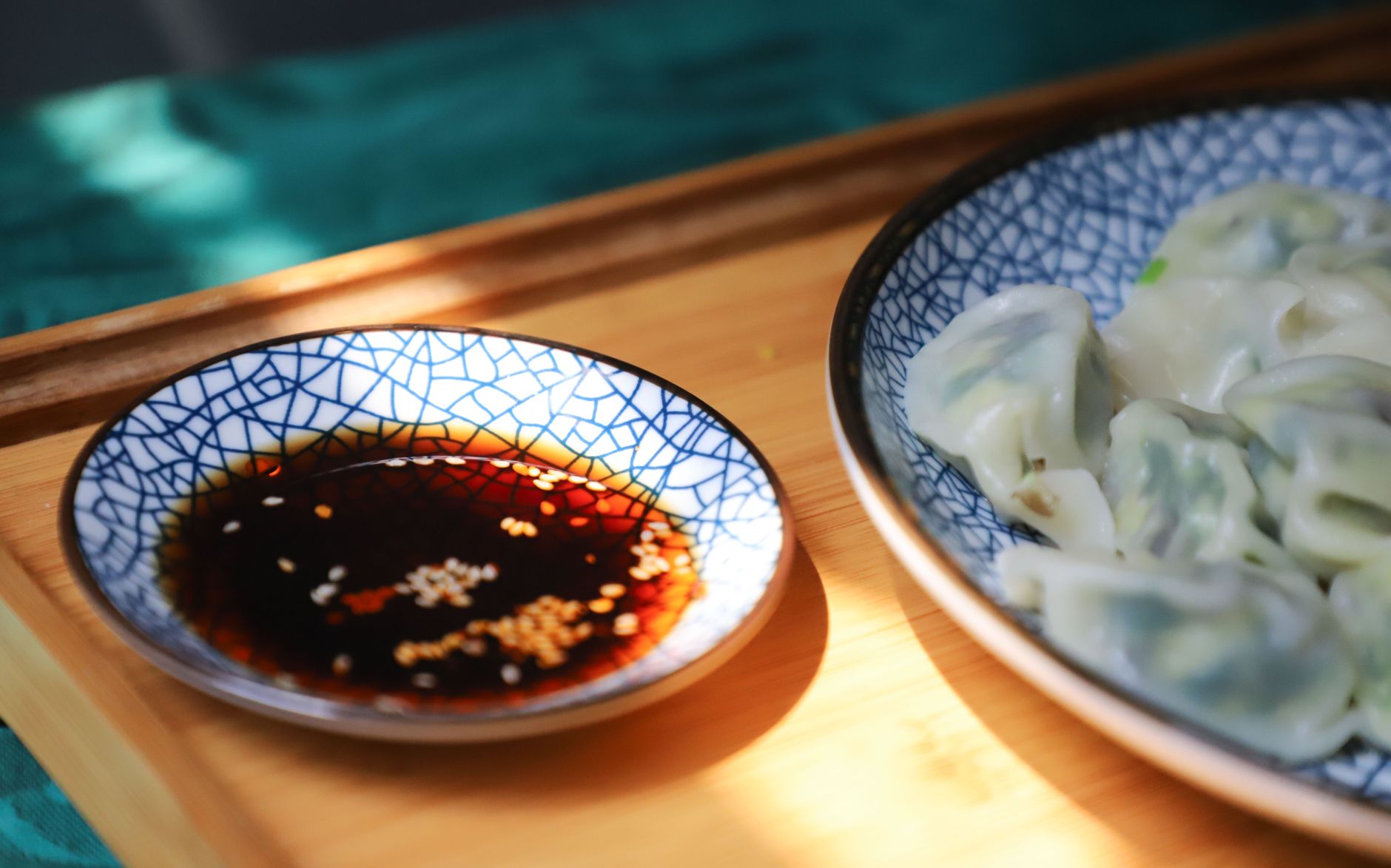
Pregnancy is a time of careful attention to diet and nutrition, raising many questions about what foods are safe to consume. One common ingredient that frequently enters the discussion is soy sauce, a staple in Asian cuisine and a popular condiment worldwide. Expecting mothers might wonder, “Can I eat soy sauce while pregnant?” In this article, we’ll break down the factors to consider when incorporating soy sauce into your pregnancy diet.
Understanding the potential risks and benefits associated with soy sauce can clarify whether it deserves a place on your menu. Along with discussing safety guidelines, we’ll explore the nutritional profile of soy sauce, appropriate portion sizes, and some possible alternatives or substitutes.
Can You Eat Soy Sauce While Pregnant?
Yes, you can eat soy sauce while pregnant, but moderation is key. Soy sauce is generally safe, provided you are aware of its sodium content and any individual dietary restrictions you may have. It’s also essential to select high-quality soy sauce to avoid undesirable additives.
Nutritional Profile of Soy Sauce
Before diving into safety concerns, it’s helpful to understand the characteristics of soy sauce. Traditionally, soy sauce is made from fermented soybeans, wheat, salt, and water. Here’s a simple breakdown of its nutritional profile per tablespoon:
- Calories: 10
- Protein: 1 gram
- Total Fat: 0 grams
- Sodium: 900-1000 milligrams
- Carbohydrates: 1 gram
This gives soy sauce its characteristic umami flavor, making it a popular choice for enhancing dishes. However, due to its high sodium content, it is advisable to consume it in moderation, especially during pregnancy.
Potential Health Concerns
Even though soy sauce is generally safe for pregnant women, there are some health concerns to consider. Below are key points to keep in mind:
Sodium Levels
Excessive sodium intake can lead to fluid retention, high blood pressure, and potential complications for both mother and child. Pregnant women are typically advised to keep their sodium intake below 2,300 milligrams per day. Given that a single tablespoon of soy sauce contains about 900-1000 milligrams of sodium, you should be cautious not to overconsume it.
Allergies and Sensitivities
Some individuals may have allergies or sensitivities to soy or wheat, both of which are components of traditional soy sauce. If you have a known allergy to these ingredients, it’s best to avoid soy sauce altogether or consult your healthcare provider for alternatives.
MSG and Additives
Some brands of soy sauce contain monosodium glutamate (MSG) or other artificial additives. During pregnancy, it’s advisable to minimize the intake of processed foods that may contain these substances. Always check the ingredient label when selecting soy sauce.
Portion Sizes and Recommendations
Moderation is the key to enjoying soy sauce during pregnancy. Here are some general recommendations:
- Limit intake to 1-2 tablespoons per serving.
- Use low-sodium versions when possible.
- Pair soy sauce with nutritious foods such as vegetables, lean proteins, and whole grains to balance your meal.
Alternatives and Substitutes for Soy Sauce
If you find that soy sauce doesn’t suit your needs during pregnancy, there are several alternatives you can consider. Each alternative comes with its unique flavor profile, so here are some popular options:
- Coconut Aminos: A soy-free alternative made from the sap of coconut trees. It has a slightly sweeter flavor and is lower in sodium.
- Liquid Aminos: A seasoning derived from soybeans but without wheat. It’s slightly different in flavor but can often be used as a one-to-one substitute.
- Homemade Soy Sauce Substitute: You can create a homemade version using broth (vegetable or chicken), vinegar (such as rice vinegar), and seasonings like garlic powder and ginger. Combine to get your desired flavor.
Cooking with Soy Sauce While Pregnant
When using soy sauce in your cooking, it’s important to be mindful of how it contributes to overall meal nutrition. Here are some pointers on how to use soy sauce in a healthy way:
Enhancing Flavor
Rather than relying heavily on soy sauce for flavor, consider using herbs, spices, and other natural flavor enhancers. This way, you can use less soy sauce while maintaining a tasty dish.
Balanced Meals
Incorporate a variety of colors on your plate with vegetables and whole grains. Dishes that combine protein, healthy fats, and fiber can help keep you full and satisfied.
Common Mistakes to Avoid
While soy sauce can be a flavorful addition to your meals, there are some common mistakes to avoid when using it during pregnancy:
- Overusing Soy Sauce: Keep portion sizes small to avoid excess sodium intake.
- Ignoring Labels: Always check for unwanted additives, especially in low-quality soy sauces.
- Using it in Processed Foods: Many packaged or pre-prepared foods may already contain soy sauce. Be mindful of this to avoid excess sodium.
Conclusion
In summary, eating soy sauce while pregnant can be safe if consumed in moderation and with careful consideration of dietary restrictions and sodium content. Opt for quality soy sauce and keep its use balanced with a nutrient-rich diet. If you’re concerned about allergies or additives, consider testing alternative ingredients that may suit your palate better.
As you continue on your culinary journey during pregnancy, explore other recipes and tips that support your unique dietary needs. Check out how soy sauce is made for deeper insight or discover a substitute for Worcestershire sauce for another flavor option to enhance your cooking.
For more culinary ideas, explore additional recipes, cooking tips, or food guides to enrich your meal planning experience.