
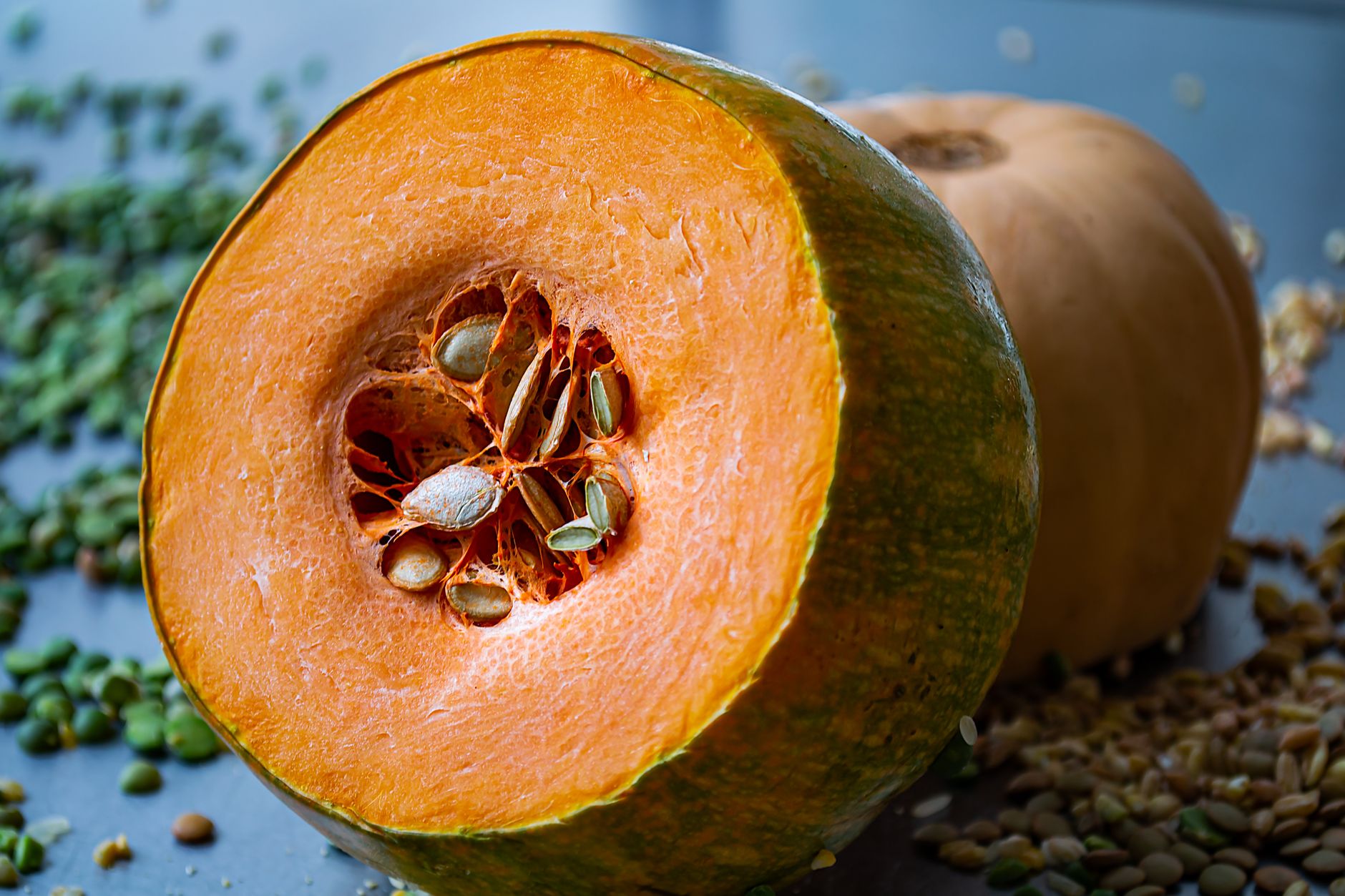
Pumpkin is often celebrated for its rich flavor and versatility, especially in baked goods and savory dishes. However, many people wonder whether it’s safe or palatable to eat pumpkin raw. This article explores the ins and outs of consuming raw pumpkin, including food safety, preparation tips, texture, and serving ideas.
Understanding how to utilize pumpkin in its raw state can expand your culinary horizons. From salads to smoothies, raw pumpkin can add a unique flavor and texture to various dishes.
Can You Eat Pumpkin Raw?
Yes, you can eat pumpkin raw. Raw pumpkin is safe to consume when properly prepared. It has a crunchy texture and mildly sweet flavor that can be a great addition to salads, smoothies, and more.
Types of Pumpkin Suitable for Eating Raw
While most pumpkins can technically be eaten raw, certain varieties are particularly suited for this purpose:
- Sugar Pumpkin: Also known as pie pumpkins, sugar pumpkins have a sweeter flavor and smoother texture, making them ideal for raw consumption.
- Japanese Pumpkin (Kabocha): This variety has a rich flavor and soft texture, which can be enjoyed raw in salads or slaws.
- Other Small Pumpkins: Varieties like the Fairy Tale pumpkin or mini pumpkins can also be eaten raw, though they are often more decorative.
Health Benefits of Eating Raw Pumpkin
Raw pumpkin offers several health benefits, thanks to its rich nutrient profile. Here are some key benefits:
- High in Vitamins: Raw pumpkin is an excellent source of vitamins A and C, which are essential for immune function and skin health.
- Rich in Fiber: Eating raw pumpkin can contribute to your daily fiber intake, aiding digestion and promoting feelings of fullness.
- Low in Calories: Raw pumpkin is low in calories, making it a nutritious snack option for weight management.
- Packed with Antioxidants: The antioxidants present in pumpkin can help protect against chronic diseases.
Preparing Raw Pumpkin
Proper preparation is crucial when consuming raw pumpkin. Here’s a step-by-step guide:
- Selecting the Pumpkin: Choose a firm pumpkin without any bruising or soft spots. Smaller pumpkins are usually sweeter and less fibrous, making them ideal for raw dishes.
- Washing the Pumpkin: Rinse the pumpkin under cold water to remove any dirt or pesticides.
- Cutting the Pumpkin: Use a sharp knife to slice the pumpkin in half. Remove the seeds and stringy insides with a spoon. You can save the seeds for roasting.
- Peeling the Pumpkin: If the skin is too tough for your taste, use a vegetable peeler to remove it. However, the skin can also be eaten if well washed.
- Cutting into Pieces: Slice the pumpkin into thin slices or cubes, depending on how you plan to use it.
Serving Suggestions for Raw Pumpkin
Raw pumpkin can be enjoyed in various ways. Here are some creative serving ideas:
- Salads: Toss raw pumpkin cubes in a salad for added crunch and a pop of color. Pair with greens, nuts, and a tangy dressing.
- Smoothies: Blend raw pumpkin with yogurt, spices, and fruits like banana or apple for a nutrient-rich smoothie.
- Slaws: Grate raw pumpkin and mix it with cabbage, carrots, and a dressing for a refreshing slaw.
- Dip Sticks: Serve thinly sliced raw pumpkin with hummus or a yogurt-based dip as a healthy snack.
- Juicing: Combine raw pumpkin with other vegetables and fruits in a juicer for a nutritious drink.
Flavor Pairings with Raw Pumpkin
Raw pumpkin has a mild, slightly sweet flavor that pairs well with a variety of other ingredients:
- Spices: Cinnamon, nutmeg, ginger, and allspice enhance the natural sweetness of pumpkin.
- Fruits: Apples, pears, and citrus fruits complement pumpkin’s flavor beautifully.
- Vegetables: Pair it with crunchy vegetables like carrots and bell peppers for added texture.
- Nuts and Seeds: Add pumpkin seeds, walnuts, or pecans for a nutritious crunch.
- Herbs: Fresh herbs like cilantro and mint can add an aromatic touch to raw pumpkin dishes.
Food Safety Considerations
While raw pumpkin is generally safe to consume, some food safety practices should be followed:
- Storage: Keep raw pumpkin refrigerated and consume it within a few days to ensure freshness.
- Cross-Contamination: Use separate cutting boards for raw pumpkin and other foods to prevent cross-contamination.
- Inspecting for Blemishes: Always check for signs of spoilage, such as soft spots or off-smells, before consuming.
Raw Pumpkin in Cooking
In addition to consuming raw pumpkin, there are unique cooking methods to retain its raw crunch while enhancing flavor:
- Shaving: Use a mandoline to shave raw pumpkin into thin strips or ribbons. This adds texture to salads and garnishes.
- Marinating: Marinate raw pumpkin in lemon juice, olive oil, and herbs for a flavorful side dish.
- Quick Pickling: Marinate raw pumpkin slices in vinegar, salt, and spices for a tangy snack.
Common Mistakes When Preparing Raw Pumpkin
Avoid these common pitfalls when consuming raw pumpkin:
- Choosing the Wrong Variety: Not all pumpkins are suited for raw consumption; stick to sweeter, smaller varieties.
- Skipping the Washing Step: Always wash your pumpkin to remove any dirt or pesticides.
- Poorly Cut Pieces: Ensure uniform sizes when cutting raw pumpkin to promote even texture and easy eating.
- Forgetting to Remove Seeds: Raw pumpkin seeds can be very hard; make sure you scoop them out before consumption.
Alternative Ways to Enjoy Pumpkin
If raw pumpkin isn’t your preference, there are various other ways to enjoy pumpkin:
- Roasting: Roasting enhances the sweetness of pumpkin; cut it into cubes, coat with olive oil, and roast until tender.
- Pureeing: Cooked pumpkin can be pureed for use in soups, pies, or baked goods, adding moisture and flavor.
- Baking: Incorporate pumpkin into muffins, bread, and cakes for a delicious fall twist.
Is Pumpkin Toxic in Large Quantities?
While it is safe to consume pumpkin in moderation, eating extremely large quantities might lead to digestive issues due to its high fiber content. Additionally, those with certain conditions should consult a healthcare professional if they have specific concerns about consuming raw pumpkin.
Storage Tips for Raw Pumpkin
To maximize the freshness of raw pumpkin, consider the following storage tips:
- Refrigeration: Keep cut pumpkin in an airtight container in the refrigerator. Aim to consume it within three to five days.
- Freezing: While usually not recommended for raw pumpkin, you can freeze cooked pumpkin for longer storage. For raw usage, consider drying or pickling instead.
Final Thoughts on Eating Raw Pumpkin
Incorporating raw pumpkin into your diet can add a crunch and freshness that many people overlook. Its myriad health benefits make it a nutritious choice, especially if prepared and served correctly. Whether you toss it into a salad or blend it into a smoothie, raw pumpkin can be a delightful addition to your culinary repertoire.
Now that you understand how to eat and enjoy raw pumpkin, consider trying it in your next meal. For related tips on pumpkin, check out our guides on freezing pumpkin pie or understanding pumpkin puree. Enjoy experimenting with this versatile ingredient!