
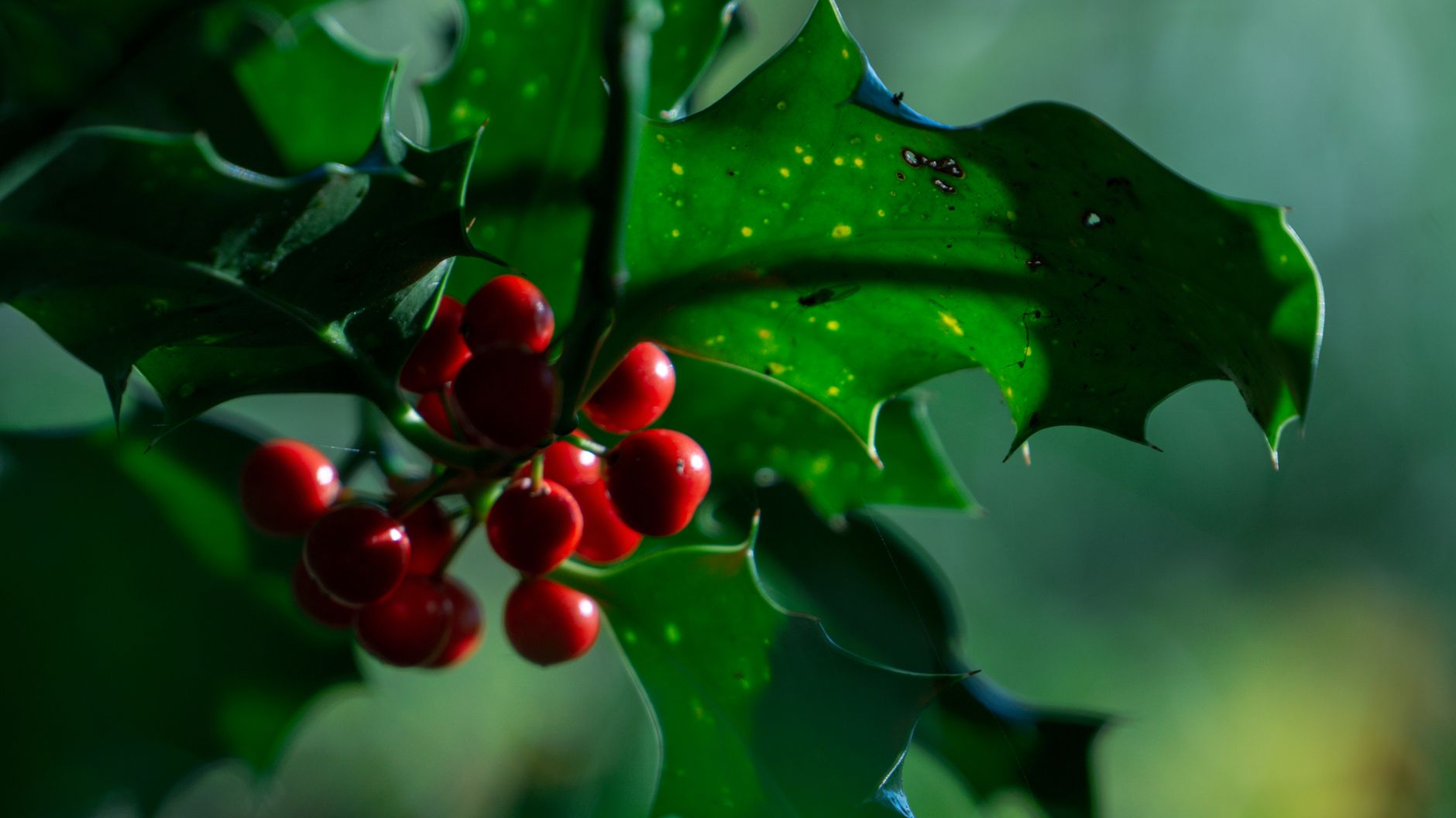
Holly berries, with their bright red hue, are a quintessential part of holiday decor and winter landscapes. However, the question often arises: can you eat holly berries? The answer is complex, as these berries are toxic to humans and many animals. Understanding the risks associated with holly berries is essential for ensuring safety during the festive season and when planning meals that may involve natural decorations.
This article will explore why holly berries are not edible, their potential effects, and safer alternatives. Additionally, we’ll delve into their decorative uses, common misconceptions, and suggestions for using holly in holiday preparations while keeping food safety in mind.
Can You Eat Holly Berries?
No, you cannot safely eat holly berries. They contain substances that are toxic to humans, primarily saponins and alkaloids. Consuming these berries can lead to serious health issues, including nausea, vomiting, diarrhea, and in severe cases, respiratory distress. The toxicity can vary depending on the species of holly, but it’s best to avoid consuming holly berries altogether.
Understanding Holly and Its Varieties
Holly (Ilex spp.) is a genus of evergreen or deciduous shrubs and trees known for their glossy, spiky leaves and bright berries. There are several species of holly, each with unique characteristics and varying toxicity levels. Among the most common varieties associated with holiday decor are:
- English Holly (Ilex aquifolium): This is the familiar holly often used in Christmas decorations. Its berries are bright red and highly toxic.
- American Holly (Ilex opaca): Similar in appearance to English holly, the berries are also toxic and can cause similar symptoms.
- Japanese Holly (Ilex crenata): Often used as a decorative shrub; while its berries are less toxic, it’s still advised not to eat them.
Why Are Holly Berries Toxic?
The toxicity of holly berries is primarily due to the presence of saponins, which can cause gastrointestinal distress when ingested. Additionally, the alkaloids in holly can be irritating to the digestive system. While the berries are not lethal to most adults, they can cause significant discomfort and should not be consumed.
Children and pets are particularly vulnerable to the effects of holly berries. Symptoms of ingestion in humans may include:
- Nausea and vomiting
- Diarrhea
- Abdominal pain
- In rare cases, difficulty breathing or mild hallucinations
Decorative Uses of Holly Berries
Despite their toxicity, holly berries are a popular choice for holiday decorations. When using holly in home decor or for festive arrangements, it’s essential to ensure that they are not mistaken for edible varieties. Here are some tips for safely using holly in decorative ways:
- Wreaths and Garlands: Holly can be used to make beautiful holiday wreaths and garlands. Just be sure to inform guests that the berries are not edible.
- Floral Arrangements: Incorporating holly into centerpieces adds a festive touch. Use them alongside non-toxic flowers and greenery.
- Table Settings: Consider using holly sprigs for table decorations but keep them out of reach of children and pets.
Common Misconceptions About Holly Berries
There are several misconceptions about holly and its berries that can lead to confusion:
- All Holly Berries Are Edible: Not all holly varieties are toxic, but it’s best to avoid consuming any berries unless you are entirely certain of their safety and edibility.
- Cooking Makes Holly Berries Safe: Cooking does not neutralize the toxins present in holly berries. They remain unsafe to eat regardless of preparation.
- Only Berries Are Toxic: While the berries are the most well-known toxic part of the holly plant, other parts, including the leaves, can also cause irritation and discomfort.
Safer Alternatives to Holly Berries
If you’re looking for edible decorations or ingredients for holiday meals, consider the following safer alternatives:
- Cranberries: Bright red, tart, and festive, cranberries can be used for garlands, sauces, and garnishes.
- Pomegranate Seeds: Their jewel-like appearance and sweet-tart flavor make pomegranates a great decorative choice and edible fruit.
- Raspberries and Strawberries: Both of these berries can provide vibrant color and delicious flavor to winter dishes and desserts.
Conclusion
Holly berries are not safe for consumption due to their toxic properties, causing discomfort and potential health issues if ingested. Understanding their uses as decorative elements rather than food ingredients is essential for maintaining a safe and festive holiday environment. When planning your seasonal meals and decorations, focus on safe, edible alternatives to enhance your holiday celebrations.
Always prioritize safety when considering natural elements for your meals and decor. If you’re looking for more holiday cooking tips, consider exploring alternative recipes and using seasonal fruits that are safe to eat.