
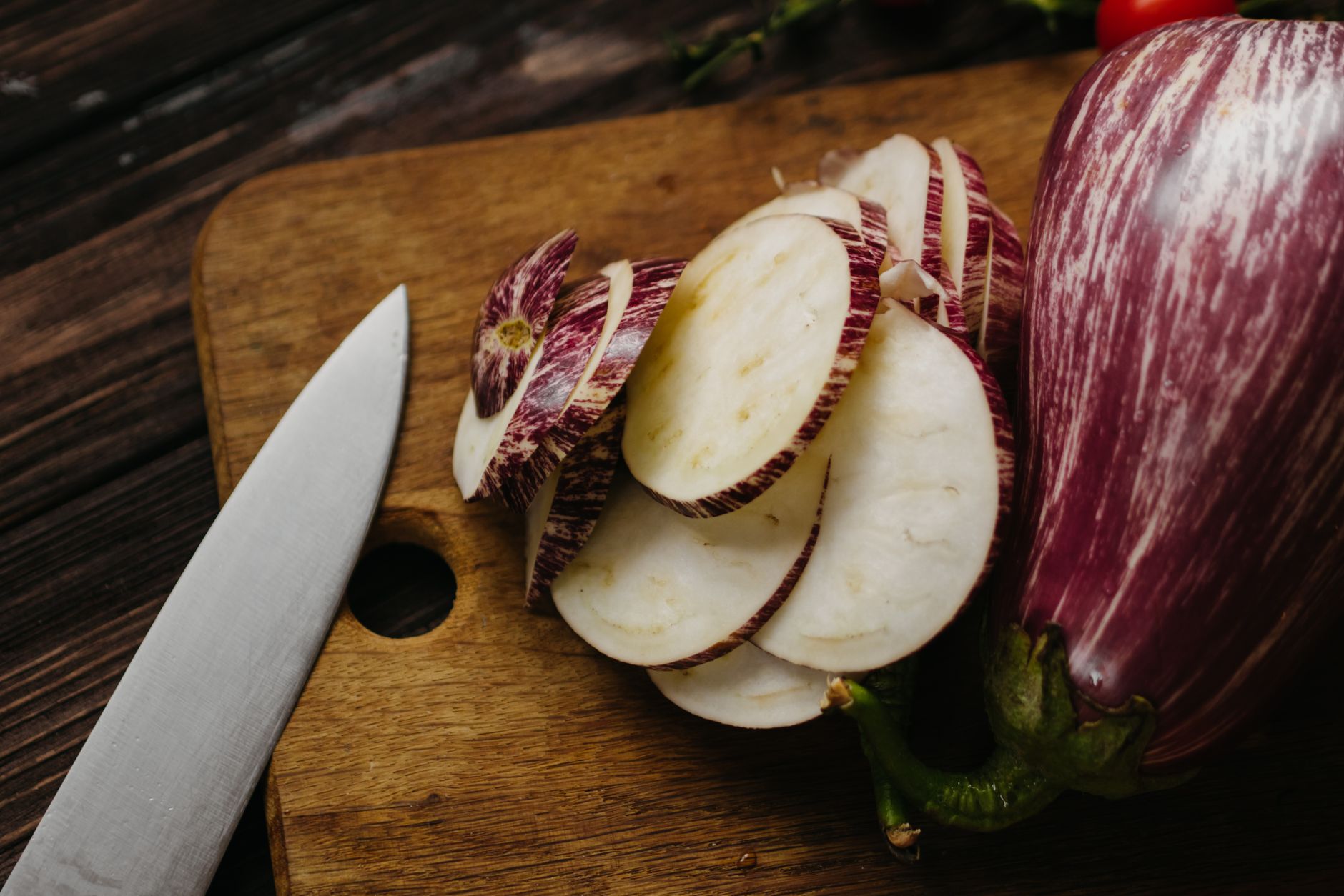
Eggplants, also known as aubergines, are a versatile and flavorful vegetable used in countless dishes around the world. One common question arises when preparing this ingredient: can you eat eggplant skin? The answer is yes! Eggplant skin is edible and can enhance the dish’s flavor, texture, and nutritional value. In this article, we will explore the characteristics of eggplant skin, its nutritional benefits, and culinary uses, along with tips for preparing and cooking eggplant effectively.
Eggplant skin is not only safe to eat, but it also offers a slight bitterness and a chewy texture that can complement the soft flesh of the fruit. However, the skin can vary in texture and bitterness depending on the variety of eggplant. Understanding these differences can help you make informed choices when cooking with this ingredient.
Can You Eat Eggplant Skin?
Yes, you can eat eggplant skin! The skin is nutritious, containing dietary fiber, antioxidants, and essential vitamins. However, the decision to eat the skin can depend on the variety of eggplant, the cooking method, and personal preference.
The Nutritional Benefits of Eggplant Skin
Eggplant skin is rich in both nutrients and antioxidants, which contribute to overall health. Some key benefits include:
- Dietary Fiber: The skin contains a significant amount of dietary fiber, promoting digestive health and helping to maintain a healthy weight.
- Antioxidants: Eggplant skin is packed with antioxidants, such as nasunin and chlorogenic acid, which can help protect cells from damage caused by free radicals.
- Vitamins: The skin is a good source of vitamins B1, B6, and K, as well as minerals like potassium and magnesium.
Different Varieties of Eggplant
Several eggplant varieties are commonly available, each with its unique skin characteristics and flavors. Some popular types include:
- Italian Eggplant: This variety has a smooth, dark purple skin. Its skin is thinner and less bitter, making it more popular for recipes where it is not peeled.
- Japanese Eggplant: Long and slender, these eggplants have a tender skin that is sweet and mild in flavor.
- Chinese Eggplant: With a light purple skin, this variety is also mild and tender, perfect for stir-fry dishes.
- White Eggplant: These eggplants have a slightly thicker skin and a mild taste but still retain the benefits of their colored counterparts.
- Graffiti Eggplant: This variety has a striking white and purple striped skin, with a flavor similar to that of the Italian eggplant.
Cooking Methods and Techniques
The cooking method significantly impacts the texture and flavor of eggplant skin. Here are some common approaches to cooking with eggplant:
Grilling
- When grilling eggplant, the skin helps to hold the flesh together while cooking. The skin can become charred, adding a smoky flavor.
- Simply slice the eggplant, brush with oil, season, and grill until tender, keeping the skin intact.
Roasting
- Roasting eggplant with the skin allows the flesh to soften while preserving its flavor and nutrients.
- Cut into halves or wedges, drizzle with olive oil, season, and roast in the oven until golden brown and soft.
Sautéing and Stir-Frying
- In dishes like stir-fry, using whole or sliced eggplants with skin adds texture to the dish and absorbs flavors from other ingredients.
- Cook in a hot pan with oil, adding garlic, ginger, and other vegetables for a delicious combination.
Stuffing
- Whole eggplants can be parboiled alongside other stuffed vegetables, with the skin providing structure and adding a slightly chewy texture.
- Creating stuffed eggplant is an opportunity to keep the skin intact while introducing exciting fillings like rice, meat, or cheese.
Preparing Eggplants for Cooking
To maximize the flavor and texture of eggplants, proper preparation is essential. Here are practical steps to prepare eggplants:
- Select your eggplant: Choose firm, glossy eggplants, avoiding any with soft spots or blemishes.
- Wash the skin: Rinse the eggplant under cold water to remove any dirt or pesticides.
- Slice or dice: Depending on your recipe, cut the eggplant into desired shapes, keeping the skin intact for added flavor and nutrients.
- Salt (optional): Some cooks prefer salting sliced eggplant to draw out excess water and reduce bitterness. To do so, sprinkle salt on the eggplant slices and let sit for about 30 minutes, then rinse and pat dry.
Common Mistakes When Cooking with Eggplant Skin
While eggplant skin is generally safe to eat, certain mistakes can affect your cooking results. Here are some pitfalls to avoid:
- Skipping salting: If your eggplant is overly bitter, it can improve on the palate by salting first.
- Not cooking long enough: Eggplant skin can remain tough if not cooked thoroughly, impacting texture.
- Overcooking: Overcooking can lead to mushy eggplants, causing the skin to break down excessively.
Storing Eggplants
Proper storage of eggplants will help maintain their freshness and tenderness. Here are practical guidelines for storage:
- Fresh Eggplants: Store them in a cool, dark place, such as a pantry or cupboard. Avoid refrigerating unless absolutely necessary, as cold temperatures can lead to browning and pitting.
- Sliced Eggplants: If you have leftover slices, store them in an airtight container in the fridge for up to three days.
- Cooked Eggplants: Any cooked eggplant can be stored in a similar container in the fridge for 3-5 days. Reheat gently to preserve texture.
Recipe Ideas Featuring Eggplant Skin
To showcase the benefits and flavors of eggplant skin, consider the following recipe ideas that incorporate this ingredient:
1. Grilled Eggplant and Tomato Salad
This colorful salad features charred eggplant and ripe tomatoes, dressed with olive oil and balsamic vinegar.
- Preheat your grill to medium-high.
- Slice eggplant into rounds, season with salt, and brush with olive oil.
- Grill eggplant on each side for about 4-5 minutes or until tender and grill marks appear.
- Chop grilled eggplant and toss with halved cherry tomatoes, feta cheese, and a drizzle of balsamic dressing.
- Serve warm or at room temperature.
2. Eggplant Parmesan
This classic Italian dish layers eggplant slices with marinara sauce and cheese, creating a filling and satisfying meal.
- Thinly slice eggplant and lightly salt the slices to reduce moisture.
- Dip slices in egg mixture and coat them in breadcrumbs mixed with Parmesan cheese.
- Fry or bake the slices until golden brown.
- Layer slices in a baking dish with marinara sauce and mozzarella cheese, then bake until bubbly and golden.
3. Baba Ganoush
This smoky dip features roasted eggplant, garlic, tahini, and lemon juice, perfect for pairing with pita bread.
- Roast whole eggplant in the oven at 400°F (200°C) for 30-40 minutes, or until the skin is charred and the flesh is soft.
- Allow the eggplant to cool, then scoop out the flesh, leaving the skin behind.
- Blend the roasted eggplant flesh with garlic, tahini, lemon juice, salt, and olive oil until smooth.
- Serve with pita chips for dipping.
Conclusion
Eggplant skin is not only edible but adds flavor, texture, and nutrients to your cooking. Understanding how to prepare and cook eggplant with its skin can enhance your dishes significantly. Don’t shy away from trying various varieties and cooking methods to discover personal preferences. Give it a go, and enjoy the benefits of incorporating eggplant skin into your meals!
For more delicious eggplant recipes, check out this Thai eggplant recipe or experiment with our Egg Foo Young recipe for a tasty twist on traditional dishes.