
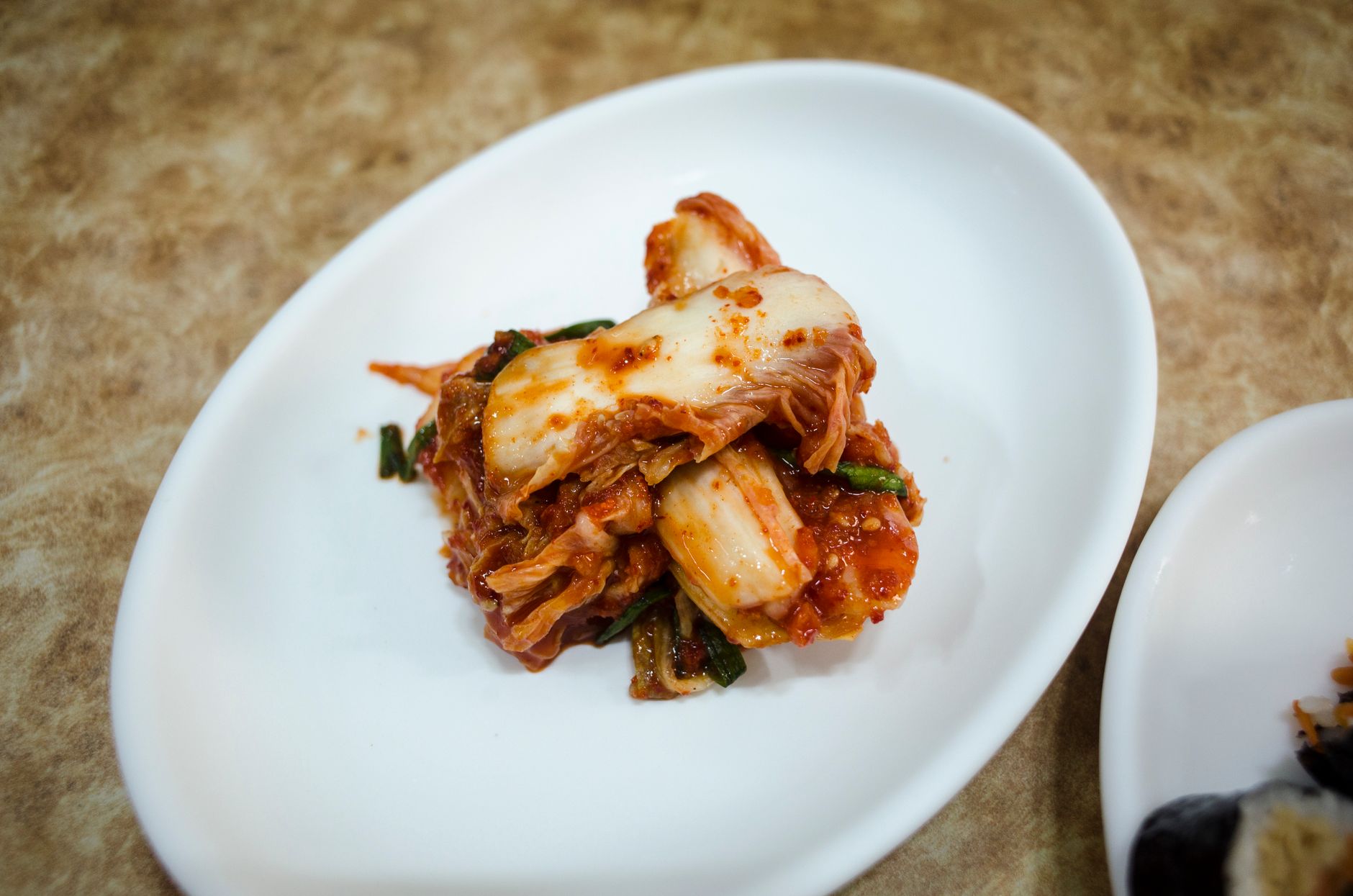
Kimchi is traditionally known as a fermented vegetable dish, most commonly made with Napa cabbage and a variety of seasonings. Its rich umami flavor, tanginess, and crunchy texture make it a staple in Korean cuisine. While kimchi is often enjoyed raw, many home cooks wonder if it’s possible to cook kimchi and how to incorporate it into various dishes.
This article will explore the ways you can cook kimchi—its preparation, cooking methods, and serving tips. You’ll discover how to enhance its flavors and use it as an ingredient in your everyday meals.
Can You Cook Kimchi?
Yes, you can cook kimchi! Cooking kimchi can bring out its savory, rich flavors while softening its texture. It’s commonly used in various dishes such as stews, fried rice, and pancakes.
Preparing Kimchi for Cooking
Before cooking with kimchi, preparation allows for a smoother cooking process and better integration into dishes. Here are some steps on how to get your kimchi ready:
- Choose Your Kimchi: There are different types of kimchi available, such as baechu (napa cabbage) kimchi, kkakdugi (cubed radish) kimchi, and oi sobagi (cucumber) kimchi. Choose one that fits the intended dish.
- Select Freshness: While fresh kimchi has a clean, crispy taste, well-fermented kimchi is deeper in flavor and often better for cooking. It’s a matter of preference.
- Drain Excess Liquid: If your kimchi has a lot of liquid, it may alter the texture and flavor of the final dish. Drain the excess liquid and reserve it for later use.
- Chop or Slice: Depending on the dish, you may prefer to chop or slice your kimchi into smaller pieces to ensure even cooking.
Cooking Techniques for Kimchi
Once your kimchi is prepared, you can employ various cooking techniques to incorporate it into your meals. Here are some popular cooking methods:
1. Stir-Frying Kimchi
Stir-frying is a quick and versatile way to incorporate kimchi into your dishes.
- Ingredients: Kimchi, cooking oil, vegetables (onions, garlic, carrots, or bell peppers), and optional protein (tofu, pork, or chicken).
- Equipment: A large skillet or wok.
- Heat the oil in the skillet or wok over medium-high heat.
- Add any raw protein and cook until browned.
- Add the diced vegetables and stir-fry until just tender.
- Add the chopped kimchi and stir-fry for another 2-3 minutes, allowing the flavors to meld.
2. Cooking Kimchi Fried Rice
Kimchi fried rice is a popular Korean comfort dish that utilizes leftover rice and makes for a quick meal.
- Ingredients: 2 cups cooked rice, 1 cup chopped kimchi, 2 tablespoons kimchi juice, 1 tablespoon sesame oil, green onions, and optional protein (like eggs or pork).
- Equipment: A frying pan or wok.
- Heat sesame oil in the frying pan over medium heat.
- Add the kimchi and fry for a couple of minutes until softened.
- Stir in the cooked rice, breaking up any clumps. Add kimchi juice to flavor.
- Add any protein such as an egg. Stir-fry until everything is hot and mixed well.
- Top with chopped green onions to serve.
3. Making Kimchi Stew (Kimchi Jjigae)
Kimchi stew is a comforting, hearty dish that harnesses the deep flavors of well-fermented kimchi.
- Ingredients: 2 cups well-fermented kimchi, 1 cup pork belly (or tofu for vegetarians), 1 onion, 2 garlic cloves, 2-3 cups water or broth, and seasonings (soy sauce, gochugaru).
- Equipment: A pot or Dutch oven.
- In a pot, heat a small amount of oil over medium heat and add the pork belly. Cook until browned.
- Add the onion and garlic, sautéing until slightly softened.
- Stir in the kimchi and fry for a few more minutes.
- Add water or broth, along with soy sauce and gochugaru. Bring to a boil.
- Reduce heat and let it simmer for 20-30 minutes until flavors meld.
- Serve hot with rice.
4. Making Kimchi Pancakes (Kimchi Jeon)
Kimchi pancakes are savory and crispy, making them an excellent appetizer or snack.
- Ingredients: 1 cup chopped kimchi, 1 cup flour, 1/2 cup water, green onions, and optional add-ins (shrimp or vegetables).
- Equipment: Frying pan.
- In a bowl, mix flour, water, and kimchi until well combined.
- Heat oil in a frying pan over medium heat.
- Pour the batter into the pan, creating a pancake shape.
- Fry until golden brown on each side, about 3-4 minutes.
- Cut into wedges and serve hot.
Flavor Enhancements and Substitutions
Cooking with kimchi offers the benefit of versatility. Here are some ideas to enhance flavors and substitutions:
- Flavor Enhancements: Consider adding garlic, ginger, or sesame oil to impart additional layers of flavor.
- Liquids: Instead of water or broth, you can use vegetable or chicken stock to enhance the umami factor.
- Proteins: Use proteins like beef, chicken, or tofu to enrich the dish and create a more substantial meal.
- Substitutions: If kimchi is unavailable, you can substitute with pickled vegetables, although they will impart a different flavor profile.
Common Mistakes and Troubleshooting
Whether you’re new to cooking with kimchi or refining your skills, here are common mistakes to avoid:
- Overcooking: Cooking kimchi too long can cause it to lose its texture and flavor. Stir-fried dishes and pancakes should be cooked just until heated through.
- Ignoring Salt Levels: Since kimchi is salty and flavorful, adding additional salt to your dishes can lead to an overly salty result. Always taste before adding more salt.
- Not Draining Liquid: If using kimchi in fried rice or pancakes, too much liquid can make the dish soggy. Ensure to drain excess liquid before cooking.
Serving Suggestions for Cooked Kimchi Dishes
Cooked kimchi can be served in various ways, bringing an enticing twist to meals. Here are some suggestions:
- With Steamed Rice: Serve any kimchi stew or fried rice alongside a bowl of steamed rice for a complete meal.
- As an Appetizer: Kimchi pancakes can be served with a dipping sauce made of soy sauce and vinegar.
- In Wraps: Use cooked kimchi (e.g. kimchi fried rice) as a filling in lettuce wraps for a fresh, interactive meal.
- Pair with Proteins: Dishes like kimchi jjigae are excellent paired with grilled meats or tofu for a filling meal.
Storage and Prepping Kimchi for Later Use
Proper storage and meal prep can enhance your cooking experience with kimchi:
- Storing Kimchi: Store leftover kimchi in an airtight container in the refrigerator. It can continue to ferment but will last for several weeks.
- Meal Prepping: Consider making larger batches of kimchi fried rice or stew, allowing you to portion out meals for the week. These dishes usually reheat well.
- Freezing Kimchi: Although not ideal, you can freeze kimchi for later use in cooked dishes. However, it may alter the texture when thawed.
While kimchi is beautifully complex as a raw side dish, cooking with it opens up an array of options that can enhance its flavors and incorporate it into your main meals. Whether you stir-fry, stew, or make pancakes, the delicious taste of kimchi can elevate your cooking.
To explore more exciting recipes and sauces, check out our Gochujang Sauce Recipe and Ssamjang Recipe.