
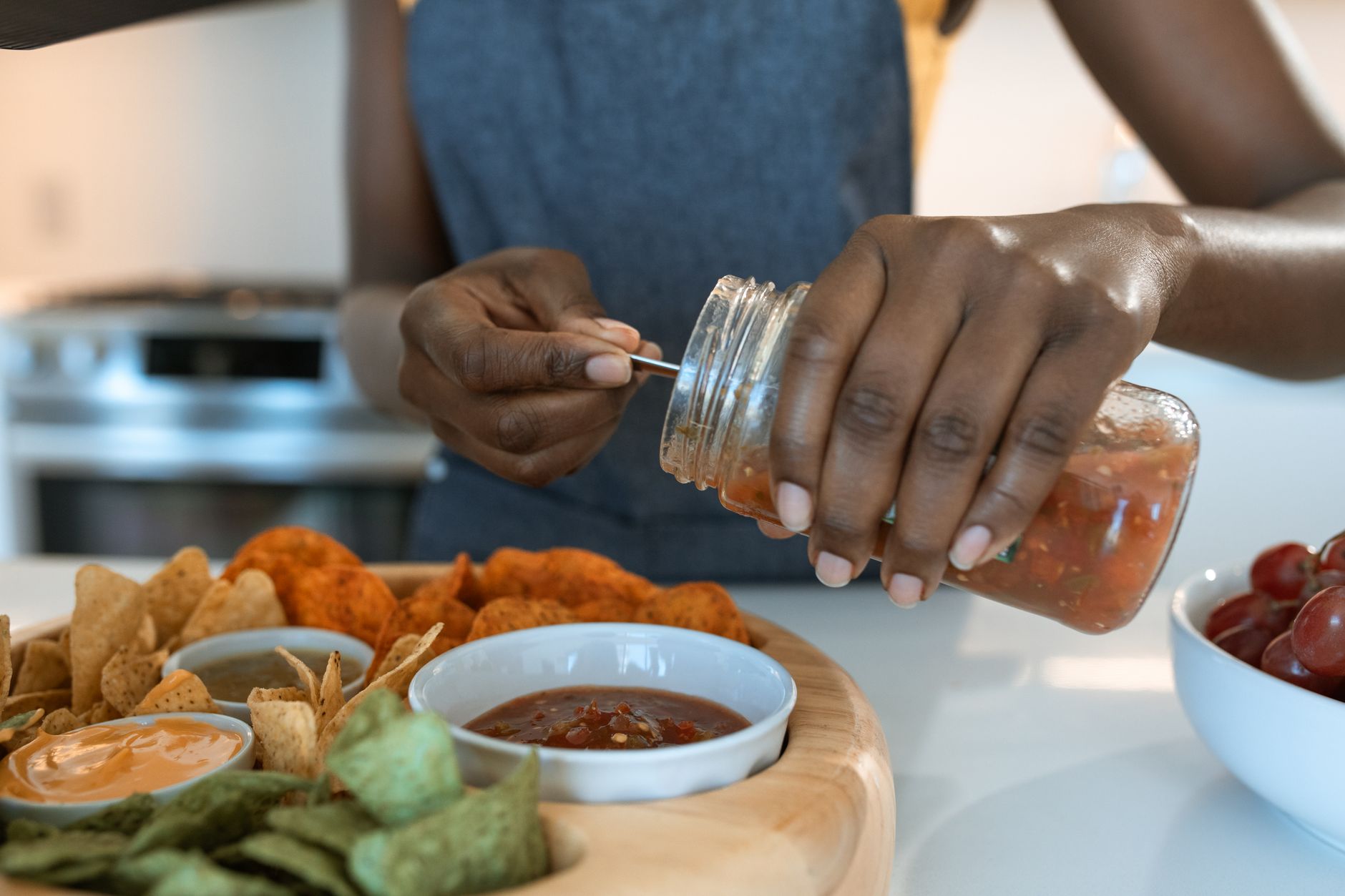
When fresh tomatoes are in season and you’re looking for ways to preserve their vibrant flavor, canning salsa becomes an irresistible option. This not only allows you to enjoy the taste of summer year-round but also enriches your meals with a burst of flavor. However, canning salsa is not just about mixing ingredients; it requires proper techniques and food safety measures.
This guide covers everything you need to know about canning salsa, including recipes, essential tips, and storage methods to ensure your salsa remains delicious and safe to eat. Whether you’re a novice or an experienced home canner, the following information will help you successfully can your own salsa.
Can You Can Salsa?
Yes, you can can salsa! However, it’s essential to follow proper canning methods to ensure safety and flavor. Using a tested recipe is crucial because salsa’s acidity and consistency can affect the preservation process. With the right ingredients and techniques, you can successfully store salsa for months.
Understanding Canning Basics
Canning is a food preservation method that involves sealing food in jars at high temperatures to kill bacteria, yeasts, and molds. To safely can salsa, you must ensure it has the proper acidity level as low-acid foods can promote bacterial growth, particularly Clostridium botulinum. The USDA recommends using a pressure canner for low-acid foods and a water bath canner for high-acid foods, such as salsa.
Key Ingredients for Salsa
A good salsa recipe typically includes the following ingredients:
- Fresh tomatoes (such as Roma or vine-ripened)
- Onions (white or yellow)
- Garlic cloves
- Fresh cilantro
- Jalapeño or other pepper varieties (for heat)
- Fresh lime juice or vinegar (to increase acidity)
- Sugar or salt (to taste)
Each ingredient plays an essential role in flavor and safety, so it’s crucial to use the correct combination.
Essential Equipment for Canning Salsa
Before you start canning, gather the necessary equipment:
- Water bath canner or pressure canner
- Canning jars (preferably pint or half-pint sizes)
- Self-sealing lids and metal bands
- Jar lifter
- Canning funnel
- Large pots for cooking
- Cutting board and knife
- Measuring cups and spoons
Choosing a Salsa Recipe
Basic Salsa Recipe
Below is a straightforward salsa recipe that is safe for canning:
- 10 cups chopped fresh tomatoes (about 5 pounds)
- 1 ½ cups chopped onions
- 2 cups chopped green or red bell peppers
- 1 cup minced fresh jalapeño peppers (seeds removed for less heat)
- 6 garlic cloves, minced
- 1 ½ cups vinegar (5% acidity)
- ½ cup fresh lime juice
- 1 tablespoon sugar (optional)
- 1 tablespoon salt
- 2 teaspoons ground cumin (optional)
- 1 cup chopped fresh cilantro (added just before canning)
Preparation Steps
- Prepare your jars by washing them in hot, soapy water or running them through the dishwasher on a hot cycle.
- In a large pot, combine all salsa ingredients except cilantro. Bring to a boil, then reduce heat and let simmer for 10 to 15 minutes to help marry flavors.
- Once the mixture has thickened slightly, stir in the chopped cilantro.
- Using a canning funnel, ladle hot salsa into prepared jars, leaving ½-inch headspace.
- Wipe the rims of the jars with a clean cloth or paper towel to remove food particles.
- Place the self-sealing lids on the jars, then secure the metal bands just until they are fingertip-tight.
- Process in a water bath canner for 20 minutes (adjust for altitude if necessary). Refer to USDA guidelines for altitude adjustments.
- After processing, remove jars and let them cool on a clean towel or rack for 12 to 24 hours. Check seals after cooling. If a jar does not seal, refrigerate and use within a week.
Important Considerations for Canning Salsa
When canning salsa, keep these important tips in mind:
- Do not alter the proportions of the ingredients unless you adjust acidity levels accordingly.
- Always use fresh ingredients for the best flavor and safety.
- Label jars with the date and contents before storing.
- Check canning guidelines from reputable sources like the USDA or local extension services.
- Use recipes that have been specifically tested for canning to avoid safety issues.
Common Mistakes in Canning Salsa
Even experienced canners can make mistakes. Here are some common pitfalls to watch out for:
- Improper acidity: Ensure there is enough vinegar or lime juice in your recipe to maintain safety.
- Overfilling jars: Leave the appropriate headspace to avoid processing issues.
- Not using the right equipment: Ensure you have a reliable canner (water bath for high-acid and pressure canner for low-acid).
- Ignoring processing times: Always follow USDA recommended processing times based on jar size and altitude.
Storage and Shelf Life
Properly canned salsa can be stored in a cool, dark place for up to one year. After that, the quality may begin to decline, although it may still be safe to eat. Always check for signs of spoilage before consumption, such as bulging lids, leakage, or off smells. If your salsa shows any of these signs, dispose of it safely.
Using Canned Salsa
Canned salsa can enhance a variety of dishes. Here are some inspired uses:
- As a topping for grilled meats, such as chicken or fish.
- Mixed into soups or stews for additional flavor.
- As a dip with tortilla chips or veggies.
- In burritos or tacos for a fresh yet convenient option.
- In marinades or dressings for salads and vegetables.
Making Salsa Variations for Canning
While the basic salsa recipe is delicious, variations can introduce new flavors and ingredients. Consider adding the following:
- Fruit salsa: Incorporate diced mango, peach, or pineapple for a sweet twist.
- Smoky salsa: Add smoked tomatoes or chipotle peppers for depth.
- Grilled salsa: Grill your vegetables before combining for added flavor.
Make sure to keep the acidity levels consistent when adding new ingredients. Follow similar processing guidelines and safety recommendations.
Practical Storing Tips for Canned Salsa
Store your canned salsa in a pantry or cupboard, away from light and heat sources. Ensure that cans are stored upright to prevent leakage and seal degradation. If using glass jars, avoid stacking them as this could cause breakage.
Canning Salsa: A Family Activity
Canning salsa can be a fun and rewarding family activity. Involve family members in the preparation process, from washing and chopping ingredients to labeling jars after canning. This shared experience not only creates delicious results but also builds lasting memories around food preservation.
Final Thoughts
Canning salsa is a wonderful way to enjoy the flavors of summer, preserve a harvest, and create versatile food options throughout the year. By following safe canning practices, selecting quality ingredients, and using tested recipes, you’ll be able to fill your pantry with bright and flavorful salsa.
For more inspiration, check out our Habanero Salsa Recipe for a vibrant twist or our Smoked Salsa Recipe for a smoky, delicious variation. Explore new flavors and keep the canning spirit alive!