
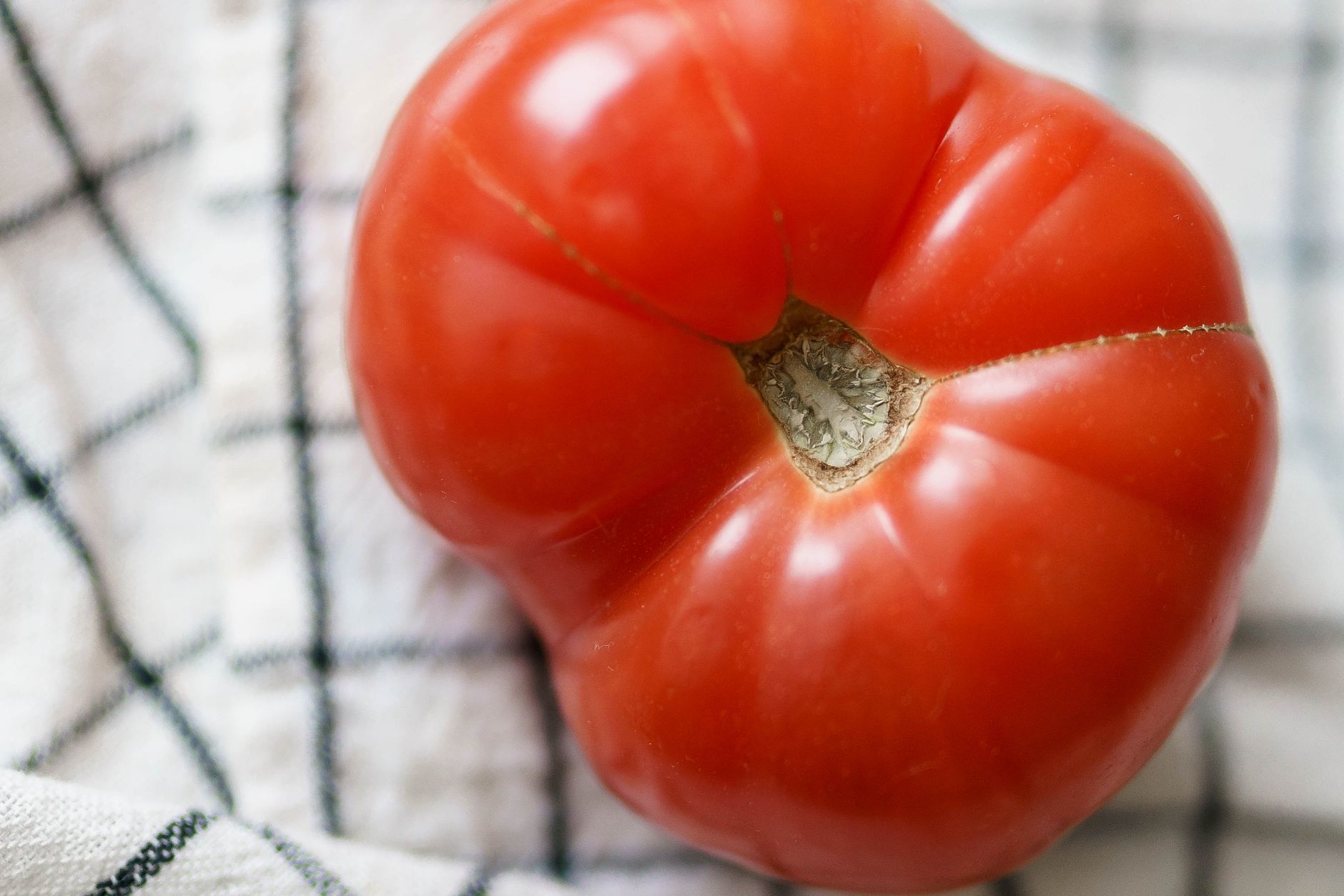
Whole tomatoes are a versatile ingredient commonly used in various dishes around the world. Whether canned or fresh, they bring vibrant flavor and acidity to recipes, making them indispensable in culinary preparations. In this article, we will explore the various uses, benefits, and serving ideas for whole tomatoes.
With options for both canned and fresh whole tomatoes, our guide will provide you with useful information on preparation, selection, cooking techniques, and even creative serving ideas to elevate your meals.
Can Whole Tomatoes?
Yes, whole tomatoes can be used in a variety of dishes, and they are particularly popular for canning, stews, soups, and sauces. Their firm texture makes them ideal for various cooking methods, while their natural sweetness and acidity enhance the flavor profile of countless recipes.
Types of Whole Tomatoes
There are several types of whole tomatoes available, each with unique characteristics. Understanding these varieties can help you select the best option for your cooking needs.
- Fresh Whole Tomatoes: These are typically in-season varieties like Roma, Beefsteak, or Cherry tomatoes. Fresh tomatoes can range in flavor from sweet to tangy.
- Canned Whole Tomatoes: Canned tomatoes are often peeled and packed in juice or sauce, retaining their flavor and nutrients. Popular brands include San Marzano, which are prized for their sweetness and low acidity.
- Sun-Dried Tomatoes: Although not whole, these dried tomatoes are often packed in oil and can add intense flavor to dishes. They can be rehydrated in water before use.
Why Use Whole Tomatoes?
Whole tomatoes can bring numerous advantages to your kitchen, including:
- Flavor: Whole tomatoes have a rich, fresh taste that enhances sauces, soups, and stews.
- Texture: The firm flesh of whole tomatoes holds its shape well, making it a great choice for dishes where you want visible chunks of tomato.
- Nutritional Benefits: Whole tomatoes are low in calories and packed with vitamins and antioxidants, particularly vitamin C and lycopene.
How to Prepare Whole Tomatoes
Preparation methods can vary depending on whether you are using fresh or canned whole tomatoes. Here are some common steps for each type:
Preparing Fresh Whole Tomatoes
- Washing: Rinse whole tomatoes under cold water to remove any dirt or residue.
- Cutting (optional): Depending on your recipe, you may want to core the tomatoes and remove any blemished areas. For recipes that require peeled tomatoes, you can blanch them in boiling water for 30 seconds, transfer them to ice water, and then peel off the skins easily.
Working with Canned Whole Tomatoes
- Drain the Liquid: If using canned tomatoes in a sauce, consider draining some or all of the juice to adjust the consistency.
- Breaking them Up: Use your hands or a fork to crush the whole tomatoes, especially if the recipe calls for diced tomatoes.
- Flavoring: Canned tomatoes can be seasoned directly in the can or added to a pan with other vegetables and spices for more depth.
Common Uses for Whole Tomatoes
Whole tomatoes can be used in a myriad of ways. Here are some popular uses:
Sauces and Soups
Whole tomatoes are excellent for making tomato sauce or soup, as they blend smoothly and provide rich flavor.
- Marinara Sauce: Combine whole canned tomatoes with sautéed garlic and onions, then simmer with herbs for a simple marinara sauce.
- Tomato Basil Soup: Use whole tomatoes as the base for a creamy tomato basil soup blended until smooth.
Stews and Braises
The hearty texture of whole tomatoes holds up in stews, enhancing the overall flavor profile.
- Vegetable Stew: Add whole tomatoes to a vegetable stew for added acidity and to create a more robust base.
- Chicken Cacciatore: Whole tomatoes work wonderfully in this braised chicken dish, breaking down to add flavor to the sauce.
salads and Roasted Dishes
Whole tomatoes can also shine in salads and roasted dishes.
- Caprese Salad: Layer slices of fresh whole tomatoes with mozzarella and basil, drizzled with balsamic glaze, for a refreshing salad.
- Roasted Tomatoes: Roast whole tomatoes with olive oil, garlic, and herbs until caramelized for a flavorful side dish or topping.
Serving Ideas
Incorporating whole tomatoes into your meals can be fun and creative. Consider these serving ideas:
Bruschetta with Whole Tomatoes
Chop fresh whole tomatoes and mix with garlic, basil, and olive oil. Serve on toasted bread for a delicious appetizer.
Whole Tomato Salsa
For a fresh take on salsa, combine diced whole tomatoes with onions, jalapenos, cilantro, and lime juice. This can be served with chips or as a topping for tacos.
Stuffed Tomatoes
Hollow out whole tomatoes and stuff them with a mixture of rice, herbs, and ground meat. Bake until tender for a hearty entrée.
Substituting Whole Tomatoes in Recipes
While whole tomatoes are versatile, there are occasions when substitution may be necessary. Here are some alternatives:
- Crushed Tomatoes: If you prefer a smoother consistency, crushed tomatoes can be used in equal parts for whole tomatoes in sauces.
- Fresh Tomatoes: Substitute fresh tomatoes for canned ones when in season. Use about 1.5 times the amount of fresh tomatoes to equal the liquid volume in a can.
- Tomato Paste: Mix tomato paste with water to achieve the texture and flavor profile that whole tomatoes provide, though this will concentrate the tomato flavor.
Common Mistakes When Using Whole Tomatoes
While cooking with whole tomatoes can be straightforward, there are a few common pitfalls to watch out for:
- Not Seasoning Adequately: Whole tomatoes can be bland without proper seasoning. Always taste and adjust flavors as needed.
- Overcooking: Cooking whole tomatoes for too long can cause their texture to break down excessively, potentially resulting in an undesirable mush.
Storing Ingredients: Fresh vs. Canned Tomatoes
Proper storage is essential to maintain the quality of whole tomatoes. Here’s how to store both fresh and canned varieties:
Storing Fresh Tomatoes
Fresh tomatoes should be stored at room temperature away from direct sunlight. They will ripen and develop flavor if left out for a few days. Avoid refrigerating fresh tomatoes, as this can ruin their texture and taste.
Storing Canned Tomatoes
Canned whole tomatoes can be stored in a cool, dry place. Once opened, transfer any unused tomatoes to an airtight container and refrigerate for up to five days. Always check for spoilage before use.
Creative Ways to Use Leftover Whole Tomatoes
If you find yourself with leftover whole tomatoes, consider these creative recipes to prevent wastage:
- Tomato Jam: Cook down overripe tomatoes with sugar, lemon juice, and spices to create a unique jam.
- Tomato Relish: Mix chopped tomatoes with onions, peppers, and spices to create a tangy relish for sandwiches or grilled meats.
Conclusion
Whole tomatoes are a flavorful and versatile ingredient that can elevate your cooking in numerous ways. By understanding their various uses, substitutions, and storage methods, you can make the most of these vibrant vegetables.
To explore more about how to incorporate tomatoes into your meals, consider checking out our recipes for tomato juice and tomato gravy.