
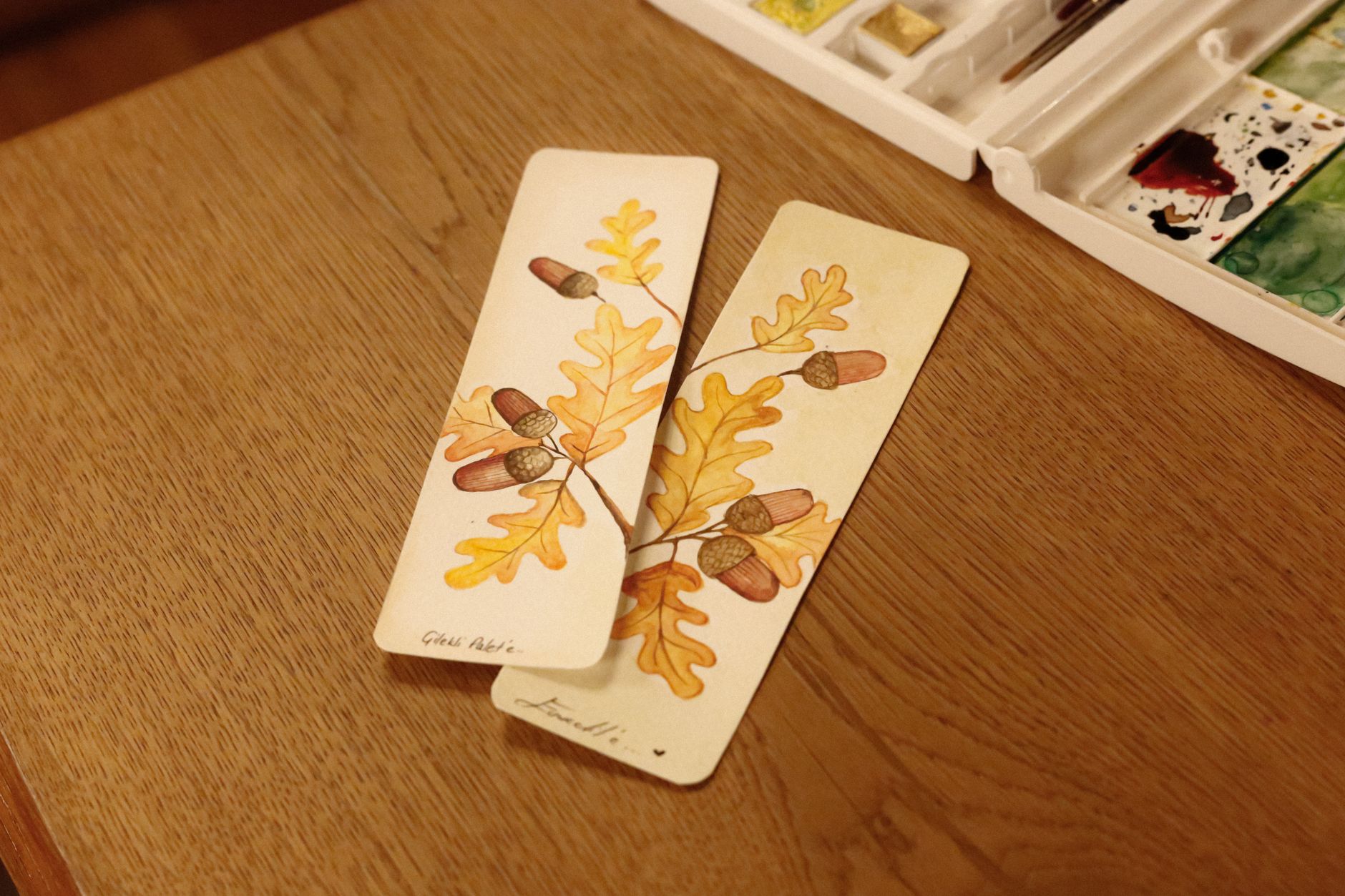
Acorns are more than just food for squirrels; they are also a potential food source for humans. These nuts are abundant in nature and can be foraged easily, making them an interesting ingredient to explore. From their flavor and nutritional content to their preparation methods, learning to eat acorns might just introduce you to a unique culinary experience.
While most people might not think of acorns as food, they have been consumed by various cultures around the world for centuries. Understanding how to prepare them is key to making them palatable and enjoyable. This guide will explore the culinary uses of acorns, the preparation techniques required, and some serving ideas to incorporate them into your diet.
Can We Eat Acorns?
Yes, acorns can be eaten by humans, but they require specific preparation to remove bitterness and toxins. Raw acorns contain tannins, which can create an unpleasant flavor and may cause digestive issues if consumed in large quantities. With proper leaching to remove the tannins, acorns can be a nutritious and versatile ingredient.
Understanding Acorns: Types and Nutritional Profile
Before diving into the preparation process, it’s essential to understand the different types of acorns and their nutritional values. The primary types of acorns include:
- White Oak Acorns: These have a sweeter taste and are generally less bitter due to their lower tannin levels. They are suitable for direct consumption after proper leaching.
- Red Oak Acorns: More abundant in tannins, red oaks have a more astringent taste and require more extensive leaching. They can be used in recipes but need careful preparation.
- Black Oak Acorns: Similar to red oaks in terms of tannin content, they can be consumed but require thorough processing.
Nutritional Value
Acorns are a source of several important nutrients:
- Carbohydrates: Acorns are rich in complex carbohydrates, providing a steady energy source.
- Fats: They contain healthy fats, primarily unsaturated fats, which are beneficial for heart health.
- Proteins: Acorns can provide a good protein source, making them a useful addition to a plant-based diet.
- Vitamins and Minerals: They offer essential minerals like calcium, magnesium, and potassium, as well as vitamins B1 (thiamine) and B6 (pyridoxine).
How to Prepare Acorns
Preparation of acorns involves a process called leaching, which removes the tannins responsible for their bitterness. Here’s how to prepare them step by step:
1. Harvesting Acorns
Forage acorns in the fall, when they are ripe. Look for acorns that are brown and firm, avoiding those that are damaged or have holes, as these may be infested with pests. Collect them in a breathable container to prevent moisture buildup.
2. Shelling Acorns
After gathering, shell the acorns by cracking them open using a nutcracker or a hammer. Remove the outer shell and the inner brown skin. Once shelled, rinse the acorns thoroughly to remove any debris.
3. Leaching Tannins
To leach out the tannins, you can choose either the cold water method or the hot water method:
- Cold Water Method: Place the shelled acorns in a bowl and cover them with cold water. Change the water every few hours over a period of several days until the water stays clear and the acorns lose their bitterness.
- Hot Water Method: Boil the shelled acorns in water for about 10-15 minutes, then drain and repeat the boiling process multiple times, changing the water after each boil. This method is faster but requires more attention.
4. Final Rinse and Drying
After leaching, give the acorns a final rinse to ensure any remaining tannins are washed away. Spread them out on a clean towel to air dry. At this point, the acorns can be used in various recipes or stored for later use.
Cooking with Acorns
Once acorns are prepared and leached, they can be used in several delicious ways. Here are some ideas for incorporating them into your meals:
1. Acorn Flour
Grind dried acorns into flour using a food processor or a grain mill. Acorn flour can be used in a variety of baked goods. It adds a nutty flavor and can be mixed with other flours for bread, pancakes, or muffins.
2. Roasted Acorns
Roasting leached and dried acorns brings out their nutty flavor. To roast, preheat your oven to 350°F (175°C). Spread the acorns in a single layer on a baking sheet and roast for about 20-30 minutes, stirring occasionally until golden brown and fragrant. Enjoy them as a snack or salad topping.
3. Acorn Soup
A hearty acorn soup can be a comforting dish. Use the following method:
- In a pot, heat olive oil and sauté onions, garlic, and any desired vegetables.
- Add a quart of vegetable broth and bring to a simmer.
- Stir in cooked, pureed acorns and season with salt, pepper, and herbs of choice.
- Let the soup simmer for about 20-30 minutes to merge the flavors. Serve hot.
4. Acorn Coffee Substitute
For a caffeine-free alternative, roast acorns until well done, then grind them into a fine powder. Brew with hot water to create an acorn-infused beverage that resembles coffee.
5. Acorn Porridge
For a hearty breakfast, simmer leached acorns with water or milk until soft. Add sweeteners such as honey or maple syrup, along with spices like cinnamon or nutmeg, to create a nutritious porridge.
Common Mistakes to Avoid
When preparing and cooking with acorns, there are a few mistakes to watch out for:
- Skipping the Leaching Process: Consuming raw acorns or inadequately leached acorns can lead to digestive discomfort. Always leach acorns properly.
- Using the Wrong Preparation Method: Each type of acorn has different characteristics. Know which methods apply to the type you are using to avoid bitterness.
- Overcooking: If roasting or cooking acorns, keep an eye on them, as overcooked acorns can become too dry or burnt.
Storage and Preservation of Acorns
Once you’ve prepared acorns, proper storage is crucial to maintain their flavor and quality. Here are some tips for storing both raw and cooked acorns:
1. Storing Dried Acorns
Store dried acorns in an airtight container in a cool, dark place. They can last for several months if stored properly. For longer storage, consider freezing the acorns.
2. Storing Acorn Flour
If you decide to grind acorns into flour, store the flour in an airtight container in a cool, dry place. It can also be refrigerated or frozen to maintain freshness.
3. Storing Cooked Acorns
Cooked acorns can be refrigerated in an airtight container for up to a week. If you have leftovers from recipes such as soup or porridge, they can be frozen for longer storage, allowing you to enjoy acorns later.
Exploring Acorn Recipes
Acorns can be a versatile ingredient in many culinary applications. Besides soups and flours, they hold potential in a variety of dishes, from baked goods to savory meals. Here are a few recipes to consider:
Acorn Pancakes
This delightful breakfast option incorporates acorn flour with regular flour for a unique twist:
- In a bowl, combine 1 cup of acorn flour and 1 cup of all-purpose flour.
- Add 2 tablespoons of sugar, 1 tablespoon of baking powder, and a pinch of salt.
- In a separate bowl, mix 1 cup of milk, 1 egg, and 2 tablespoons of melted butter.
- Combine wet and dry ingredients, stirring until mixed. Cook on a greased skillet over medium heat until golden brown on both sides.
Nutty Acorn Bread
This rustic bread recipe brings out the earthy flavors of acorns and is great for sandwiches:
- Preheat your oven to 375°F (190°C).
- In a large bowl, mix 2 cups of acorn flour, 1 cup of all-purpose flour, 1 tablespoon of sugar, 1 teaspoon of salt, and 1 tablespoon of baking powder.
- In another bowl, combine 1 cup of warm water, 1 packet of yeast, and 2 tablespoons of olive oil. Let it sit until bubbly.
- Add the wet ingredients to the dry ingredients and mix until combined.
- Shape into a loaf and let rise for 30 minutes.
- Bake for 30-35 minutes or until the bread sounds hollow when tapped on the bottom.
Conclusion
Acorns can make for an intriguing and nutritious addition to your diet when prepared properly. With various culinary applications ranging from flour to soups, the potential to explore unique flavors and textures is vast. Start by foraging, leaching, and experimenting with acorn recipes to incorporate this underutilized ingredient into your kitchen.
If you’re interested in expanding your culinary knowledge further, explore other topics such as our detailed guides on meal planning or unique baking techniques. Embrace the joy of cooking with diverse ingredients!