
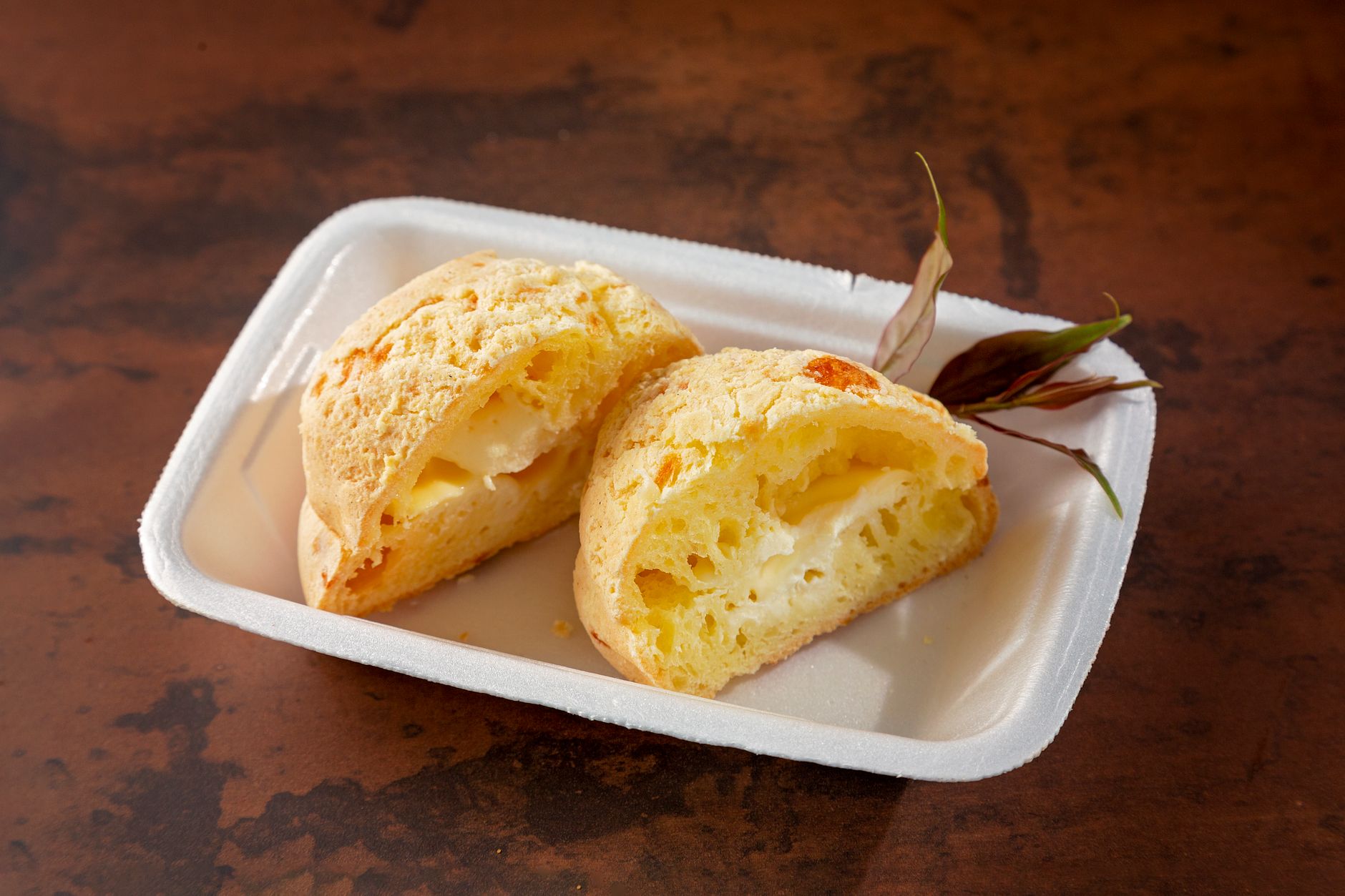
Microwaving food has become a staple in many households, offering quick and convenient ways to heat up meals. However, questions often arise regarding the safety and suitability of the containers we use in the microwave. One common type of container is Styrofoam plates. So, can you microwave Styrofoam plates? This article delves into the safety concerns, proper uses, and best practices when microwaving food on Styrofoam plates.
Understanding the implications of microwaving Styrofoam plates is vital for ensuring both food safety and health. In this guide, we will explore the materials used to make Styrofoam, the potential health risks, and practical tips for microwaving safely.
Can U Microwave Styrofoam Plates?
Styrofoam plates are generally not recommended for microwave use. While some types of Styrofoam are labeled as microwave-safe, others can leach harmful chemicals when exposed to heat. Always check the packaging for safety indications before microwaving any Styrofoam container.
What Is Styrofoam Made Of?
Styrofoam, technically known as expanded polystyrene (EPS), is a lightweight plastic made from petroleum-based materials. It consists of small air-filled pockets that provide insulation and structural integrity.
The properties of Styrofoam make it popular for disposable plates, cups, and other food containers, primarily due to its convenience and low cost. However, these same properties can cause concern when it comes to microwaving, as certain types of Styrofoam can melt or release harmful substances when heated.
Why You Should Be Cautious When Microwaving Styrofoam
Microwaving Styrofoam can lead to several risks, including:
- Chemical Leaching: Some Styrofoam products contain additives like plasticizers or flame retardants that can leach into food when heated. This poses potential health risks, particularly if the chemicals are ingested.
- Melt Risk: Not all Styrofoam is heat-resistant. Some plates can melt or warp under high temperatures, potentially contaminating your food.
- Fire Hazard: Overheating Styrofoam plates can cause smoking or burning, resulting in a fire hazard.
Identifying Microwave-Safe Styrofoam Plates
When shopping for Styrofoam plates, look for specific indicators that they are microwave-safe. Here are some tips to help you identify suitable options:
- Labeling: Always check for a microwave-safe label on the packaging. Some manufacturers will clearly mark their products as safe for microwave use.
- Material Specs: Research the specific type of Styrofoam used in the plates. Plates made for hot foods are typically more resistant to heat.
- Usage Guidelines: Follow any usage guidelines provided by the manufacturer, which may include maximum temperature recommendations.
Best Practices for Microwaving Food
To minimize risks when microwaving food, consider these best practices:
- Use Microwave-Safe Containers: Opt for glass, ceramic, or certain plastics that are designated as microwave-safe instead of Styrofoam whenever possible.
- Avoid High Fat Foods: Foods high in fats or oils can reach higher temperatures that may cause Styrofoam to deform or melt.
- Monitor Cooking Times: Avoid overheating food by using shorter cooking times. Stir or rotate food halfway through to ensure even heating.
Alternatives to Styrofoam Plates
If you are concerned about microwaving Styrofoam plates, consider these alternatives:
- Glass Containers: Glass can withstand high temperatures and is frequently microwave-safe. Look for tempered glass options for best performance.
- Ceramic Plates: Many ceramic plates are also microwave-safe. Be sure to check for any metallic elements that could spark in the microwave.
- Microwave-Safe Plastics: Look for plastic containers specifically labeled as microwave-safe. These are designed to resist heat and minimize chemical leaching.
How to Use Styrofoam Plates Safely in the Microwave
If you find yourself with a Styrofoam plate that is not labeled as microwave-safe, use caution in the following ways:
- Avoiding High Temperatures: Limit microwaving times and power levels to prevent overheating the Styrofoam.
- Monitor Your Food: Keep an eye on your food as it heats. Stop the microwave to check if the plate is heating up excessively.
- Limit Usage: Use Styrofoam plates primarily for cold foods or when reheating low-fat, low-sugar meals that don’t pose a risk of melting.
Microwaving Tips for Food Safety
While the focus has been on Styrofoam, general food safety in the microwave is crucial. Here are essential tips to keep in mind:
- Even Heating: Foods should be heated evenly to avoid cold spots that might contain harmful bacteria. Stir or rotate food during reheating when applicable.
- Food Temperature: Ensure that reheated foods reach an internal temperature of 165°F (74°C) for safe consumption.
- Cover Food: Using a microwave-safe cover helps retain moisture, ensuring even cooking and reducing splatter.
Common Mistakes When Microwaving Styrofoam Plates
Avoid these pitfalls to ensure a safe microwaving experience:
- Overheating: Many users mistakenly set the microwave for longer times than necessary. Start with shorter times and adjust as needed.
- Ignoring Labels: Neglecting to check the microwave-safety labels can lead to unpleasant surprises and risks to health.
- Using Damaged Plates: Avoid microwaving Styrofoam plates that are old, cracked, or damaged, as these defects can increase the risk of leaching.
Reheating Food Without Styrofoam
If you want to prioritize food safety and quality, consider the following methods for reheating:
- Glass Containers: Transfer food to a microwave-safe glass container, cover it with a microwave-safe lid or wrap, and heat as needed.
- Ceramic Bowls: Similar to glass, ceramic bowls are excellent for reheating. Ensure there are no metallic elements present.
- Silicone Cookware: Silicone containers also work well in microwaves and can be used for various food types.
Storing Leftovers Safely
After reheating, it’s important to store leftovers properly to prevent foodborne illnesses:
- Cooling: Allow food to cool before placing it in the refrigerator. This helps maintain a safe temperature until consumption.
- Use Airtight Containers: Store food in airtight containers to minimize exposure to air and potential contaminants.
- Labeling: Label containers with dates to keep track of how long leftovers have been stored. Aim to consume leftovers within 3-4 days.
Key Takeaways
Styrofoam plates can pose a risk when microwaving, primarily due to potential chemical leaching and the risk of melting. Always check for microwave-safe labels and consider safer alternatives when reheating food. By taking precautions and following best practices, you can enjoy your meals without compromising health and safety.
Next time you’re in a hurry to heat a meal, it’s wise to choose the right container. For safe and convenient cooking tips, check out our guides on cooking bacon in the microwave and using a Crockpot for frozen chicken.