
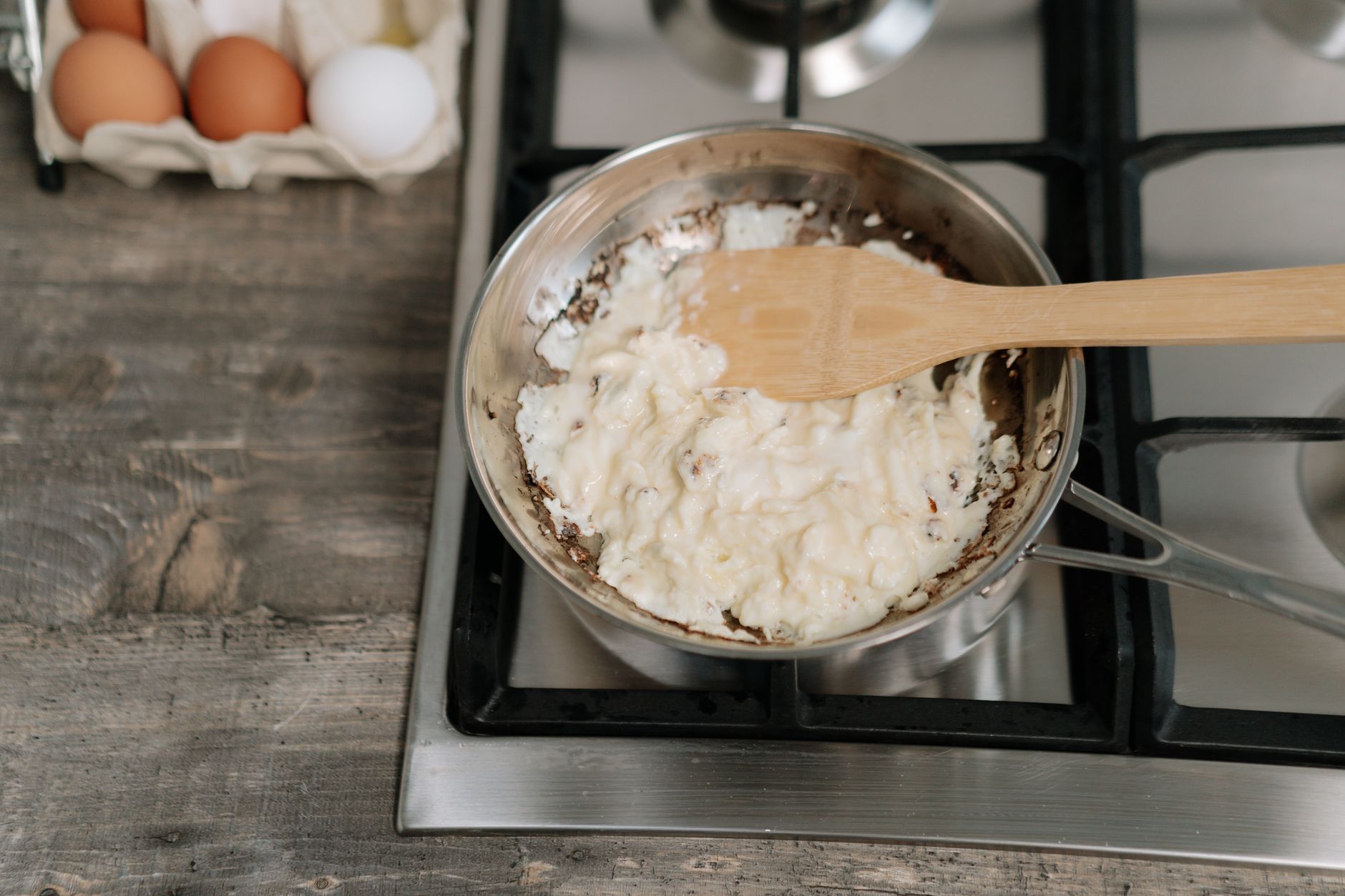
Many people enjoy scrambled eggs for breakfast due to their simplicity and delicious taste. However, you may be wondering whether leftover scrambled eggs can be frozen for later use. The answer is yes, but there are specific considerations to keep in mind to ensure that they maintain quality and taste when reheated.
This article will explore the ins and outs of freezing scrambled eggs, from the best practices for preparation and storage to tips on thawing and reheating. Additionally, we will discuss some common variations of scrambled eggs and how they may affect the freezing process. Get ready to become an expert in freezing scrambled eggs!
Can Scrambled Eggs Be Frozen?
Yes, scrambled eggs can be frozen. However, it’s essential to know that freezing may alter their texture slightly. Properly prepared and stored scrambled eggs can last in the freezer for up to six months without significant loss of flavor or quality.
Why Freeze Scrambled Eggs?
Freezing scrambled eggs can be a practical solution for meal planning or when you find yourself with leftovers. Here are some reasons why you may consider freezing scrambled eggs:
- Reducing Food Waste: Freezing leftover scrambled eggs allows you to minimize food waste while still enjoying a nutritious meal later.
- Meal Prep: Preparing scrambled eggs in advance can save time during busy mornings or weeknights.
- Convenience: Having frozen scrambled eggs on hand makes it easy to whip up a quick breakfast or snack at any time.
Key Considerations Before Freezing Scrambled Eggs
Before you rush to freeze your scrambled eggs, consider the following factors to ensure the best outcome:
- Texture Changes: Freezing can cause changes in the texture of scrambled eggs, often resulting in a rubbery consistency. This is primarily due to the structure of the proteins in the eggs, which can alter when frozen and thawed.
- Ingredients: If you add dairy, vegetables, or meats to your scrambled eggs, the freezing process may further impact their texture and flavor. Simpler scrambled eggs without added ingredients tend to freeze better.
- Cooling: Always allow your scrambled eggs to cool before freezing to prevent condensation, which can lead to freezer burn.
How to Freeze Scrambled Eggs
Freezing scrambled eggs is a straightforward process. Follow these steps for the best results:
Ingredients Needed
- Scrambled eggs (cooked and cooled)
- Freezer-safe airtight containers or freezer bags
- Plastic wrap or aluminum foil (optional)
Equipment Needed
- Spatula
- Nonstick skillet
- Mixing bowl
- Measuring cup (if needed)
- Labeling materials (marker, tape)
Step-by-Step Freezing Method
- Cook the Scrambled Eggs: Prepare your scrambled eggs as you normally would. Avoid overcooking them, as they will continue to cook slightly once removed from the heat.
- Cool the Eggs: Transfer the scrambled eggs to a mixing bowl and allow them to cool to room temperature. This step is crucial to avoid condensation in the storage containers.
- Portion the Eggs: Decide on the serving size you want to freeze. You can place scrambled eggs in single servings or larger portions, depending on your needs.
- Pack for Freezing: Place the cooled scrambled eggs in your freezer-safe containers or bags. If using bags, remove as much air as possible to prevent freezer burn. For extra protection, consider covering the contents with plastic wrap before sealing.
- Label and Date: Clearly label each container or bag with the date of freezing. This helps with tracking how long they have been stored.
- Freeze: Place the containers or bags in the freezer. Lay bags flat for easier storage.
Thawing and Reheating Scrambled Eggs
Once you are ready to enjoy the frozen scrambled eggs, thawing and reheating are essential for maintaining quality. Here are some effective methods:
Thawing Methods
- In the Refrigerator: The best way to thaw frozen scrambled eggs is to transfer them from the freezer to the refrigerator for a few hours or overnight. This method helps preserve texture and flavor.
- In the Microwave: For a quicker option, microwave on a low setting in short intervals (about 30 seconds) until thawed. Stir occasionally to promote even thawing.
- Cooking From Frozen: Alternatively, if you’re short on time, you can directly cook the frozen scrambled eggs in a nonstick skillet over low heat, stirring frequently until cooked through.
Reheating Instructions
- Microwave: Transfer thawed scrambled eggs into a microwave-safe dish. Cover with a microwave-safe lid or damp paper towel to retain moisture. Heat in 30-second intervals, stirring after each, until warmed through.
- Stovetop: Heat a nonstick skillet over low heat. Add a small amount of butter or oil if desired. Cook the scrambled eggs gently, stirring continuously until heated. This helps to avoid rubbery texture.
Variations of Scrambled Eggs
If you’re interested in enhancing your scrambled eggs before freezing, consider these popular variations. Just keep in mind that additional ingredients may impact the freezing process.
Cheese and Herb Scrambled Eggs
Adding cheese or fresh herbs can elevate the flavor of scrambled eggs. Here’s what to consider:
- Use softer cheeses such as cream cheese or goat cheese, as they tend to freeze better than harder cheeses.
- Fresh herbs can lose some potency when frozen, so consider adding them just before serving instead of freezing.
Vegetable Scrambled Eggs
Incorporating vegetables can add nutritional value but may also change the texture upon freezing. Use these tips:
- Choose vegetables that freeze well, such as bell peppers, spinach, or mushrooms.
- Pre-cook vegetables briefly before combining with eggs to remove excess moisture and enhance their flavor.
Protein-Packed Scrambled Eggs
Additions like cooked bacon, sausage, or ham can create hearty meals, but consider:
- Meat can change the texture of eggs when frozen and thawed. Cut them into small pieces for better integration.
- Only freeze scrambled eggs mixed with meats that have been fully cooked.
Common Mistakes to Avoid When Freezing Scrambled Eggs
Freezing scrambled eggs is generally simple, yet there are a few common pitfalls to watch out for:
- Freezing Without Cooling: Avoid freezing scrambled eggs before they cool, as this can lead to condensation and freezer burn.
- Excess Air in Packaging: Not removing air from freezer bags can lead to freezer burn, affecting the taste and texture of scrambled eggs.
- Overcooking: Cooking scrambled eggs too much before freezing can lead to an undesirable rubbery texture upon reheating. Always aim for a slight undercooked finish.
Storage Guidelines
For optimal quality, follow these storage tips:
- Store scrambled eggs in an airtight container or freezer bag with the date labelled. This helps you track how long they have been stored.
- Avoid keeping frozen scrambled eggs for longer than six months for the best quality.
- Do not refreeze thawed scrambled eggs, as this can lead to further textural problems.
Ideas for Using Leftover Scrambled Eggs
Once thawed and reheated, your scrambled eggs can be enjoyed in various ways. Here are some ideas:
- Breakfast Burritos: Wrap scrambled eggs in a tortilla with salsa, cheese, and avocado for a satisfying meal.
- On Toast: Serve scrambled eggs on toasted bread with toppings of your choice, such as avocado, pesto, or hot sauce.
- Scrambled Egg Muffins: Add the reheated scrambled eggs to muffin tins with veggies and cheese, then bake for mini egg muffins.
Final Thoughts on Freezing Scrambled Eggs
Freezing scrambled eggs can be a practical solution for saving time and reducing food waste. By following the guidelines established in this article, you can retain the flavor and texture of your scrambled eggs. Remember to consider how additional ingredients may impact the freezing process, and always allow your eggs to cool before placing them in the freezer.
Now that you’re equipped with the knowledge of freezing scrambled eggs, why not explore more cooking tips and techniques? Check out our guides on frozen chicken storage at Can You Freeze Cooked Chicken? and discover safe storage durations at How Long Does Cooked Chicken Last?. Enjoy your cooking adventures!