
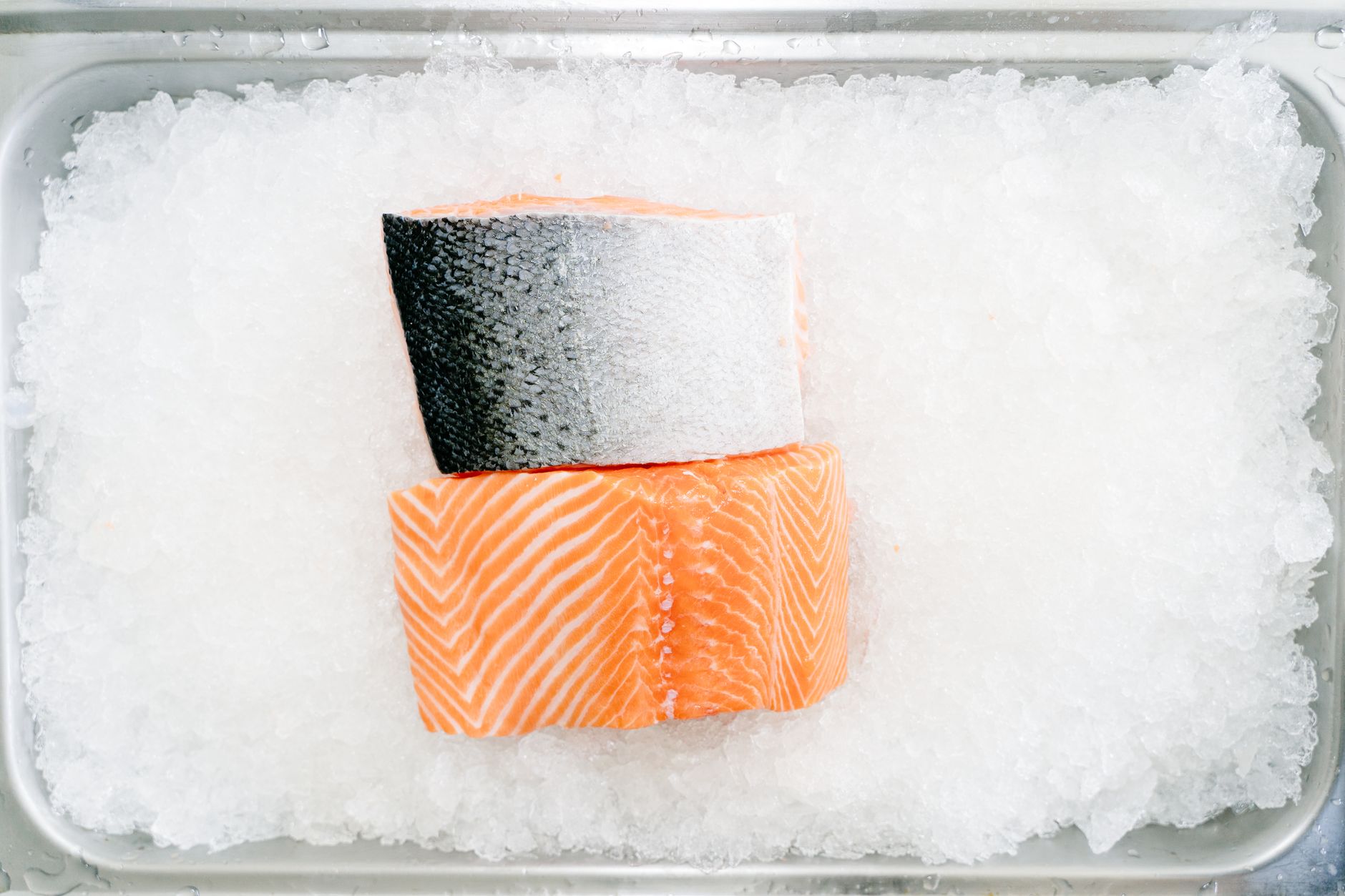
When it comes to cooking salmon, achieving the right level of doneness can be a bit challenging. One common question many home cooks have is, “Can salmon be pink in the middle?” This query touches on food safety and culinary technique, as many people wonder if they can enjoy salmon that is pink, or even slightly raw, in the center. Understanding how to properly cook salmon, including recognizing when it’s done, is essential for both flavor and safety.
Salmon is a versatile fish, celebrated for its rich flavor and health benefits, but knowing how to cook it correctly is vital. This article will explore whether salmon can be safely pink in the middle, highlight key cooking techniques, and provide tips for preparing this delicious dish. Let’s dive into everything you need to know about this pink-fleshed fish.
Can Salmon Be Pink in the Middle?
Yes, salmon can be pink in the middle and still be safe to eat, provided it is fresh and has been handled properly. Many chefs and food experts recommend cooking salmon to a minimum internal temperature of 145°F (63°C), which typically results in a firm texture and flaky appearance. However, it is common to enjoy salmon that is cooked to medium, which leaves a hint of pink in the center. The important thing is to ensure that the salmon is of high quality and sourced from a reputable supplier.
Understanding Salmon Doneness
When evaluating how salmon cooks, doneness can be judged in a few ways: by temperature, texture, and visual cues. Here’s a breakdown of what to look for:
Cooking Temperatures
- Medium-Rare: 125°F to 130°F (52°C to 54°C) – tender and moist with a soft, slightly raw center.
- Medium: 130°F to 140°F (54°C to 60°C) – firmer texture with a hint of pink.
- Medium-Well: 140°F to 145°F (60°C to 63°C) – mostly cooked through with a little pink in the center.
- Well-Done: 145°F (63°C) and above – fully cooked, opaque throughout.
Texture and Visual Cues
A properly cooked salmon should have a flakiness to it, easily separating into pieces when flaked with a fork. The fish is ready when you can see the distinct layers of flesh. Even if the center is pink, the outer layers should appear opaque and firm.
Cooking Methods for Salmon
There are several effective cooking methods for salmon, each influencing the final result’s flavor and texture. Here are some popular techniques:
Grilling Salmon
Grilling salmon is an excellent way to infuse the fish with smoky flavors while maintaining a juicy interior. Here’s how to do it:
- Preheat your grill to medium-high heat.
- Brush the salmon fillets with olive oil and season with salt and pepper.
- Place the salmon skin-side down on the grill and cook for about 6-8 minutes. Flip carefully and cook for another 4-6 minutes, depending on thickness.
- Check for doneness using a meat thermometer.
Baking Salmon
Baking is a straightforward method that allows for even cooking. Follow these steps:
- Preheat your oven to 375°F (190°C).
- Line a baking sheet with parchment paper and place the salmon on it.
- Season with herbs, lemon juice, salt, and pepper.
- Bake for 15-20 minutes, checking for doneness with a thermometer.
Pan-Seared Salmon
Pan-searing leads to a deliciously crispy skin while keeping the inside moist. Here’s how:
- Heat a skillet over medium-high heat until hot.
- Add a tablespoon of oil and place the salmon skin-side down in the pan.
- Cook for about 6-7 minutes without moving it to achieve a crispy skin.
- Flip the salmon and cook for an additional 3-5 minutes until the desired doneness is reached.
Poaching Salmon
Poaching is a gentle cooking method that keeps fish moist and flavorful. Follow these steps:
- Fill a large pot with enough water or broth to submerge the salmon.
- Add aromatics like lemon slices, herbs, or spices.
- Bring the liquid to a simmer, then gently add the salmon.
- Cook for about 10-15 minutes until the salmon flakes easily with a fork.
Choosing the Right Salmon
The quality of your salmon plays an essential role in determining the final flavor and safety of the meal. Here’s what to consider when selecting salmon:
Types of Salmon
- Wild-Caught Salmon: Generally considered to be of higher quality, wild salmon tends to have a more robust flavor and firmer texture.
- Farmed Salmon: While often less expensive, farmed salmon can have a milder taste. Look for sustainably sourced options.
Visual Inspection
When buying salmon, check for these qualities:
- The flesh should be moist and shiny, with no browning or discolorations.
- It should have a fresh seafood scent, not a strong fishy smell.
- The flesh should spring back when touched; if it feels mushy, it may not be fresh.
Common Mistakes When Cooking Salmon
Cooking salmon can be easy, but a few common mistakes can lead to subpar results:
Overcooking
One of the most significant errors when cooking salmon is overcooking it. This can result in dry, tough fish. Be sure to monitor the internal temperature and practice checking for doneness to avoid this issue.
Not Using a Thermometer
Relying solely on color can be misleading. Having a reliable meat thermometer ensures you cook the salmon to your desired doneness safely.
Not Letting It Rest
Allowing the salmon to rest for a few minutes after cooking helps the juices redistribute, leading to a moister end product.
Serving Suggestions for Salmon
Once you’ve successfully cooked your salmon, consider how to serve it to complement its flavors. Here are some ideas:
Pairing Ingredients
- Citrus: Lemon, lime, or orange brighten up the rich flavor.
- Herbs: Fresh herbs like dill, parsley, or cilantro pair beautifully.
- Vegetables: Roasted asparagus, sautéed spinach, or a fresh green salad make great accompaniments.
Serving Styles
Salmon can be served on its own, used in salads, or made into a sandwich. Here are a few serving ideas:
- Salmon Salad: Combine flaked salmon with mayo, celery, and herbs for a tasty salad.
- Salmon Tacos: Flake the salmon and serve in corn tortillas with avocado and salsa.
- Grain Bowls: Serve salmon over brown rice or quinoa with veggies for a healthy bowl.
Storage Tips for Salmon
Proper storage is crucial for maintaining the quality of salmon. Here’s how to store it safely:
Fresh Salmon
- Store fresh salmon in the coldest part of your refrigerator and use it within 1-2 days.
- If not used immediately, freeze it for up to 3 months. Be sure to wrap it tightly in plastic wrap and then in aluminum foil or a freezer bag.
Cooked Salmon
- Leftover cooked salmon can be stored in an airtight container in the refrigerator for up to 3 days.
- For longer storage, freeze cooked salmon for up to 2-3 months.
Reheating Salmon
Reheating salmon should be done carefully to prevent drying it out. Here are the best methods:
- Oven: Preheat the oven to 275°F (135°C). Place the salmon on a baking sheet and heat for about 15 minutes or until warmed through.
- Microwave: Place salmon in a microwave-safe dish, cover loosely with a paper towel, and heat in 30-second intervals, checking frequently to avoid overcooking.
In summary, while salmon can certainly be pink in the middle, understanding how to cook it properly is essential for both safety and enjoyment. By utilizing proper cooking techniques and choosing high-quality salmon, you can savor this delicious fish with confidence. Whether you decide to grill, bake, or pan-sear, always remember to check for doneness with a thermometer, consider the texture, and serve it in a way that highlights its natural flavors.
For further reading and resources related to cooking fish, explore our guides on how to tell if salmon is bad and discover tips for cooking tilapia.