
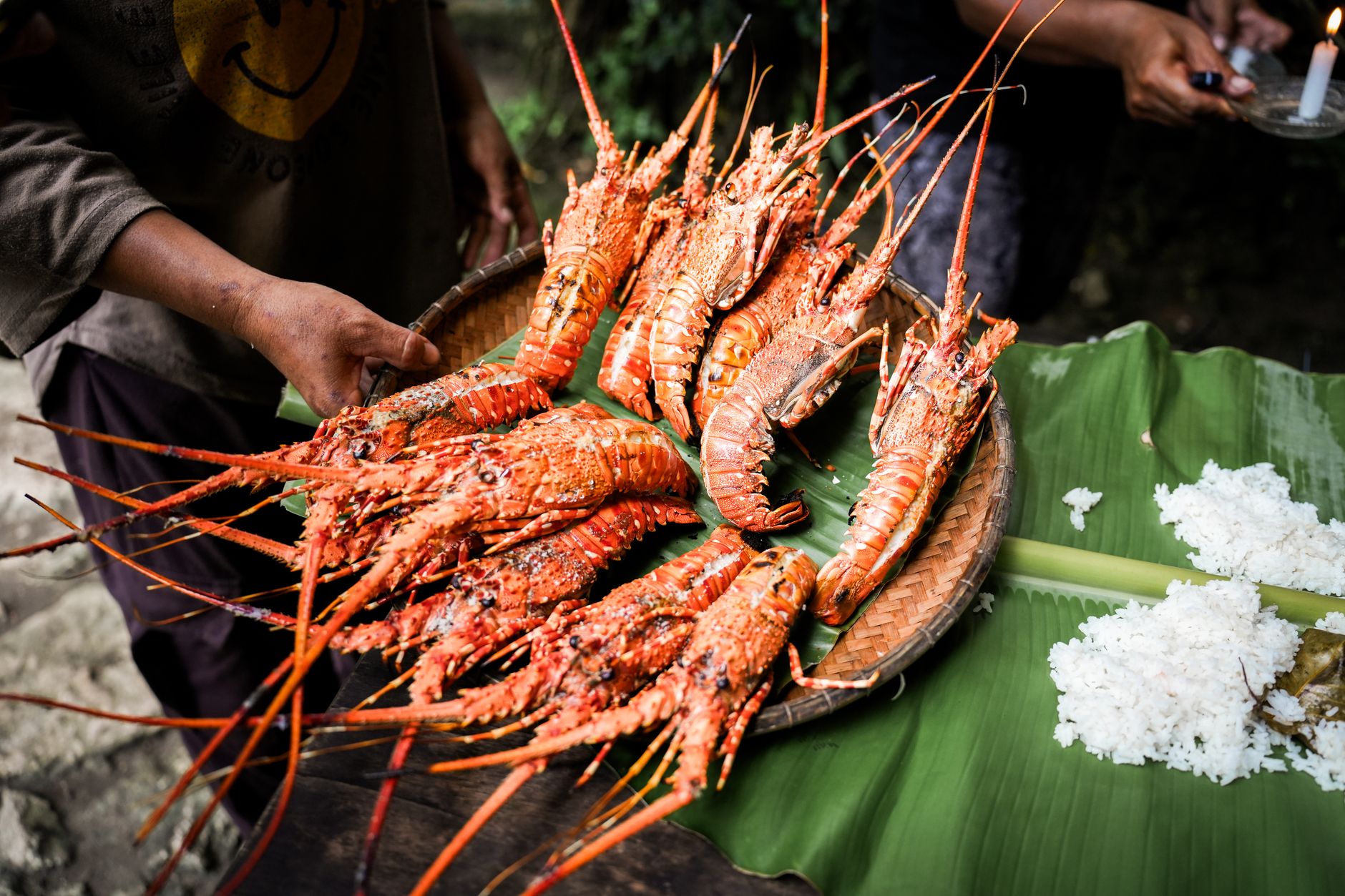
The question of whether pregnant women can eat lobster often leads to discussions about dietary guidelines and food safety. Lobster is a popular seafood choice, but it’s essential to consider nutritional benefits, potential risks, and safe consumption practices during pregnancy. This article will delve into various aspects of consuming lobster during pregnancy, offering practical advice and helpful information.
To establish whether lobster is a suitable addition to a pregnant woman’s diet, it’s crucial to discuss nutritional values, the types of seafood safe for consumption, and special considerations for food safety. This comprehensive guide will help inform your choices while navigating dietary restrictions.
Can Pregnant Women Eat Lobster?
Yes, pregnant women can eat lobster, provided it is cooked thoroughly. Lobster is rich in nutrients such as protein and omega-3 fatty acids, which can be beneficial during pregnancy. However, it’s essential to avoid raw or undercooked lobster and to consider the source due to concerns about mercury levels in certain seafood.
Nutritional Value of Lobster
Lobster is a nutrient-dense food that can be a wonderful addition to a pregnancy diet. Here are the primary nutritional components found in a 3-ounce (85 grams) serving of cooked lobster:
- Calories: Approximately 90
- Protein: About 19 grams
- Fat: 1 gram (mostly healthy fats)
- Carbohydrates: 0 grams
- Omega-3 fatty acids: Varying amounts, essential for fetal brain development
- Vitamins and minerals: Good source of zinc, selenium, vitamin B12, copper, and phosphorus
With its high protein content and low-fat profile, lobster can help support the increased nutritional needs of pregnant women. The presence of omega-3 fatty acids is particularly important for fetal development.
Mercury Levels in Seafood
One concern when consuming seafood during pregnancy is mercury exposure. High levels of mercury can affect fetal development, particularly the nervous system. Lobster generally has lower mercury levels compared to larger fish, such as swordfish or shark. However, it’s still essential to monitor your overall seafood intake.
The FDA recommends limiting consumption of fish high in mercury and suggests pregnant women consume 2–3 servings of low-mercury fish or shellfish per week. This includes shrimp, canned light tuna, and lobster, among others.
Cooking Methods for Lobster
When preparing lobster, it is vital to ensure it is cooked thoroughly to avoid foodborne illnesses, especially during pregnancy. Here are common cooking methods for lobster:
Boiling
- Bring a large pot of salted water to a boil.
- Add live lobsters headfirst into the water.
- Cover the pot and cook the lobsters for approximately 8-12 minutes, depending on size.
- Remove lobsters and place them in a bowl of ice water to stop the cooking process.
Steaming
- Place live lobsters in a steamer basket over boiling water.
- Cover and steam for 10-14 minutes until bright red.
- Remove lobsters and cool them in ice water.
Grilling
- Preheat the grill to medium-high heat.
- Split the lobster in half lengthwise and brush with olive oil or melted butter.
- Grill for about 5-7 minutes until the meat is opaque and cooked through.
Regardless of the cooking method, ensure that the internal temperature reaches at least 145°F (63°C) to ensure safety.
Food Safety Considerations
Food safety is crucial during pregnancy. Here are some essential tips to ensure safe lobster consumption:
- Buy lobster from reputable sources. Check for freshness and quality.
- Avoid consuming raw or undercooked lobster, as it can carry harmful bacteria.
- Always wash your hands, cooking surfaces, and utensils before and after handling seafood.
- Store lobster in the refrigerator at 40°F (4°C) or below and consume within 1 to 2 days if cooked, or within the same day if raw.
Practical Tips for Eating Lobster During Pregnancy
For pregnant women who wish to include lobster in their diet, consider these practical tips:
- Limit consumption to 2-3 servings of lobster per week to maintain a balanced diet.
- Combine lobster with other nutrient-rich foods, such as whole grains and vegetables, for well-rounded meals.
- Experiment with different recipes, such as lobster rolls, salads, and pasta dishes.
- Keep portion sizes reasonable, as seafood can be high in sodium when prepared with sauces or seasonings.
Delicious Lobster Recipes for Pregnant Women
Here are a couple of easy and nutritious lobster recipes suitable for pregnant women:
Lobster Pasta
This lobster pasta is simple yet delicious, making it an excellent choice for a quick dinner.
Ingredients
- 8 oz. linguine or spaghetti
- 1 ½ cups cooked lobster meat, chopped
- 2 tablespoons olive oil
- 3 cloves garlic, minced
- 1 cup cherry tomatoes, halved
- 1 cup baby spinach
- Salt and pepper to taste
- Parmesan cheese for serving (optional)
Method
- Cook pasta according to package instructions, then drain and set aside.
- In a large skillet, heat olive oil over medium heat and sauté garlic until fragrant.
- Add cherry tomatoes and cook until they start to soften, about 3-4 minutes.
- Add spinach and cooked lobster, stirring until the spinach is wilted.
- Combine lobster mixture with the pasta, season with salt and pepper, and serve with Parmesan if desired.
Broiled Lobster Tail
A broiled lobster tail is an elegant dish that is surprisingly easy to prepare.
Ingredients
- 2 lobster tails, thawed if frozen
- 4 tablespoons butter, melted
- 2 tablespoons lemon juice
- 1 teaspoon garlic powder
- Salt and pepper to taste
- Chopped parsley for garnish (optional)
Method
- Preheat the broiler in your oven.
- Use kitchen shears to cut the lobster tails lengthwise for better exposure.
- In a small bowl, mix melted butter, lemon juice, garlic powder, salt, and pepper.
- Brush the mixture generously over the lobster meat.
- Place lobster tails on a baking tray and broil for 8-10 minutes until the meat is opaque and lightly golden.
- Garnish with chopped parsley before serving.
Common Myths About Eating Seafood During Pregnancy
Several myths can create confusion regarding seafood consumption during pregnancy. Here are a few to clarify:
Myth 1: All Seafood is Unsafe
While certain types of seafood (like shark or king mackerel) are high in mercury and should be avoided, many seafood options are safe and beneficial for pregnancy.
Myth 2: Pregnant Women Must Avoid Shellfish Entirely
Shellfish can be part of a healthy pregnancy diet if cooked properly and sourced responsibly. Lobster, shrimp, and crab are all safe when cooked thoroughly.
Myth 3: Seafood Can Cause Food Poisoning Even When Cooked
Proper cooking kills most harmful bacteria and parasites. The main risk arises from undercooked or raw seafood.
Conclusion
Pregnant women can enjoy lobster as part of a balanced diet, provided it is cooked thoroughly and sourced safely. With its nutritional value, lobster can offer essential nutrients during pregnancy. By following food safety guidelines and enjoying lobster in moderation, expectant mothers can savor this delicious seafood.
For more delicious lobster recipes, try out our broiled lobster tail recipe or explore our Trader Joe’s lobster pasta recipe. Happy cooking!