
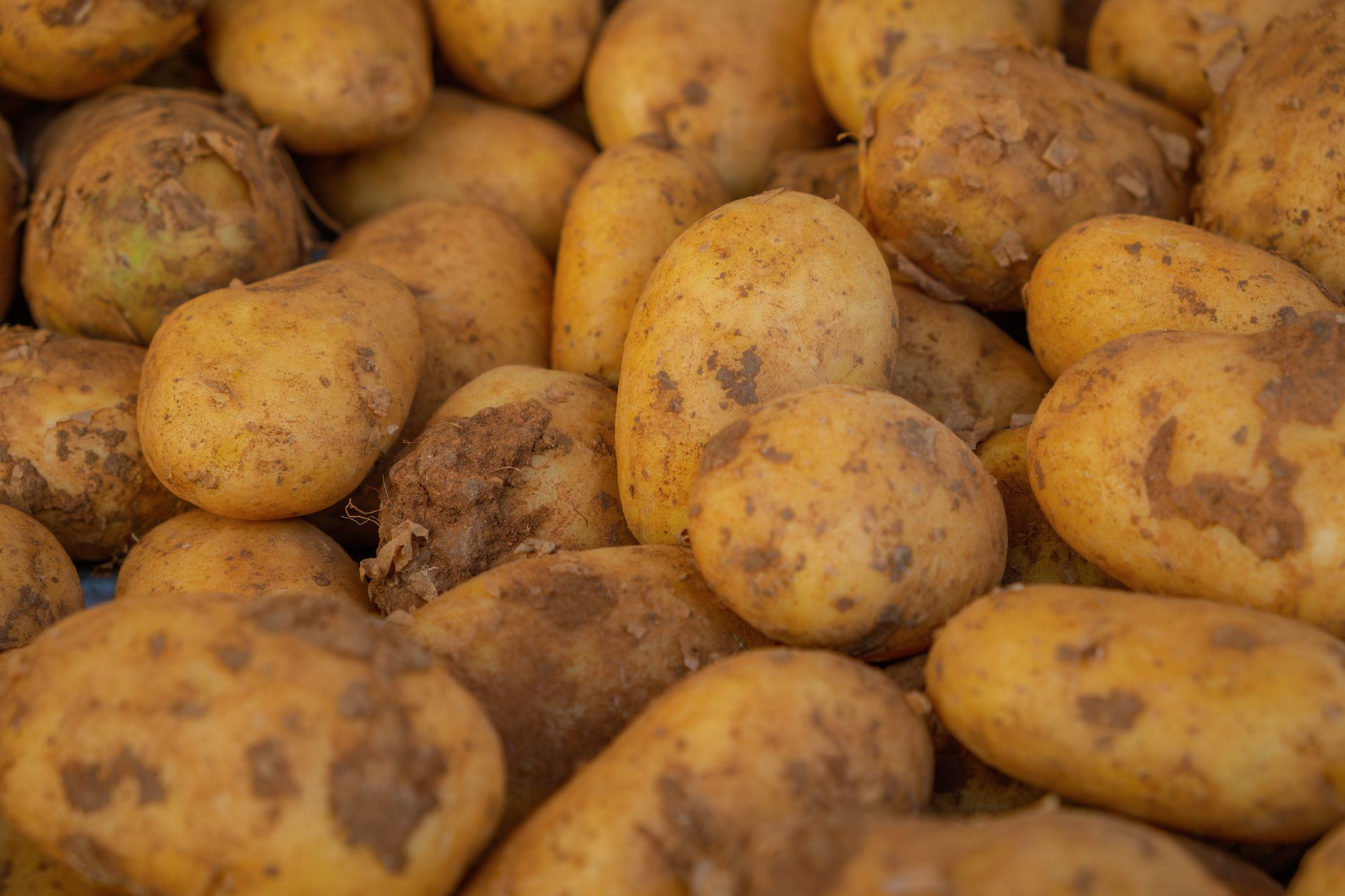
When it comes to versatile vegetables, potatoes hold a cherished place in many kitchens. They’re used in a plethora of dishes, from mashed potatoes to hearty stews. But how well do we understand their shelf life and how to recognize spoilage? This article will explore whether potatoes can go bad, their shelf life, optimal storage methods, and the signs of spoilage.
By understanding how to store potatoes properly and recognizing the indicators of spoilage, you can reduce waste and ensure your meals are both safe and delicious. Let’s dig deeper into the topic.
Can Potatoes Go Bad?
Yes, potatoes can go bad. They can develop signs of spoilage due to improper storage or if they remain stored for an extended period. Spoiled potatoes may be unsafe to eat and should be discarded. Understanding the factors affecting their shelf life can help you enjoy fresh potatoes for longer.
Shelf Life of Potatoes
The shelf life of potatoes varies significantly based on several factors, including storage conditions and the type of potatoes. Here’s a breakdown of how long you can expect various types of potatoes to last:
- Raw potatoes: When stored in a cool, dark, and dry place, raw potatoes can last anywhere from 2 to 3 weeks to several months, depending on the variety.
- Cooked potatoes: Once cooked, potatoes should be stored in the refrigerator and can last up to 3 to 5 days.
- Mashed potatoes: Leftover mashed potatoes can be stored in the refrigerator for about 3 to 5 days as well.
- Frozen potatoes: When properly frozen, potatoes can last for 10 to 12 months. However, freezing can alter their texture.
Factors Affecting Shelf Life
Several factors influence how long potatoes can remain fresh:
Type of Potato
Different varieties of potatoes have varying shelf lives. For instance, russet and Idaho potatoes typically last longer than red or yellow potatoes. If you want to store potatoes for a longer time, opt for varieties known for their longevity.
Storage Conditions
The environment in which potatoes are stored plays a crucial role in their shelf life. Potatoes thrive best in a cool (45-50°F), dark, and well-ventilated area. Proper ventilation helps prevent moisture buildup, which can lead to mold growth. Avoid storing potatoes in the refrigerator, as colder temperatures can lead to a sweeter taste and a gritty texture.
Moisture and Light Exposure
Excess moisture can cause potatoes to rot. Therefore, it’s essential to keep them in a dry environment. Additionally, exposure to light can lead to greening—a process where potatoes develop chlorophyll and a bitter taste. Light also produces solanine, a toxic substance that can cause illness. Store your potatoes in a burlap sack, cardboard box, or paper bag to protect them from light exposure.
How to Store Potatoes Properly
To extend the shelf life of your potatoes, proper storage techniques are essential:
- Cool and Dark Place: Find a location in your pantry or a basement that maintains a consistent temperature away from direct sunlight.
- Avoid Moisture: Keep potatoes dry; do not wash them before storage, as moisture can promote spoilage. If you notice any dampness, use a paper towel to dry them off.
- Ventilation: Use breathable containers like burlap sacks, perforated plastic bags, or wooden crates. Avoid sealing them in plastic bags, which can trap moisture.
- Keep Away from Other Produce: Store potatoes separately from onions and apples. These fruits and vegetables emit ethylene gas, which can speed up spoilage in potatoes.
Signs of Spoilage in Potatoes
Knowing the signs of spoilage can help you assess whether your potatoes are still good to eat. Here are some common indicators:
Appearance
Look for the following visual signs:
- Sprouts: While sprouting potatoes may still be edible (if you remove the sprouted parts), it indicates that they are losing freshness.
- Green Skin: If the skin of the potato has turned green, this indicates exposure to light and can be a sign of solanine production. It’s best to discard green potatoes.
- Wrinkling or Shriveling: Potatoes that feel wrinkled or shriveled have lost moisture and may not be good anymore.
- Soft Spots: If a potato has soft or mushy spots, it is likely spoiled and should not be consumed.
Odor
Fresh potatoes have a neutral odor. If you detect any kind of foul smell, it is a strong indicator that the potatoes have gone bad.
Texture
Firmness is an essential aspect of potato freshness. If they feel soft, slimy, or have an odd texture, it’s best to err on the side of caution and throw them away.
Can You Eat Spoiled Potatoes?
While sprouted and slightly wrinkled potatoes can often be salvaged, spoiled potatoes—those with mold, foul odors, or significant soft spots—should definitely not be consumed. Eating potatoes that are inherently rotten or have developed harmful toxins can lead to food poisoning or gastrointestinal distress.
Ways to Use Potatoes Before They Go Bad
If you’re concerned about potatoes nearing their end of life, consider these creative uses:
Make Mashed Potatoes
Using slightly shriveled potatoes is a great way to whip up mashed potatoes. Simply peel, boil, and mash them with butter and cream.
Add to Soups and Stews
Soups and stews can benefit from the use of potatoes, making them a wonderful vehicle for slightly aging vegetables.
Roast or Bake
Even near-sprouted potatoes can be cut into wedges and roasted. The cooking process can help mitigate some texture changes.
How to Freeze Potatoes
To preserve potatoes for a longer period, freezing is an option, but it must be done correctly:
Preparation
- Start by washing the potatoes to remove dirt.
- Peel the potatoes if desired, and cut them into the desired size (cubes, wedges, etc.).
- Blanch the potatoes in boiling water for 2-5 minutes, depending on the size of the pieces, to halt enzyme action that can cause spoilage.
- Immediately transfer into ice water to cool for the same time frame.
- Drain and ensure that they are thoroughly dry before storing.
- Place them in airtight freezer bags or containers, ensuring to remove as much air as possible before sealing.
Frozen potatoes can be added directly to recipes without defrosting first, although they may be less firm after cooking.
Common Mistakes When Storing Potatoes
Here are some common errors to avoid when storing potatoes:
- Storing in the Fridge: This can lead to a change in taste and texture.
- Mixing Potatoes with Onions: Keep them separate to minimize spoilage.
- Using Plastic Bags: Plastic traps moisture and promotes mold growth.
- Ignoring Sprouts: Cutting off sprouts is acceptable, but if potatoes are heavily sprouted, discard them.
Best Potato Varieties for Storage
When it comes to long-lasting varieties, consider these options:
- Russets: Ideal for baking and storage due to their thick skin.
- Yukon Gold: These potatoes have a creamy texture and store well.
- Red Potatoes: They last a decent amount of time, though not as long as Russets.
Conclusion
Understanding how to store potatoes and recognizing the signs of spoilage are essential skills for any home cook. Proper storage can extend their shelf life significantly, reducing waste in the kitchen. With the ability to use potatoes in various delicious ways, you can easily incorporate them into your meals before they go bad.
If you have more questions or are looking for related content, explore some of our detailed guides such as whether there is gluten in potatoes or how to make mashed potatoes ahead of time.