
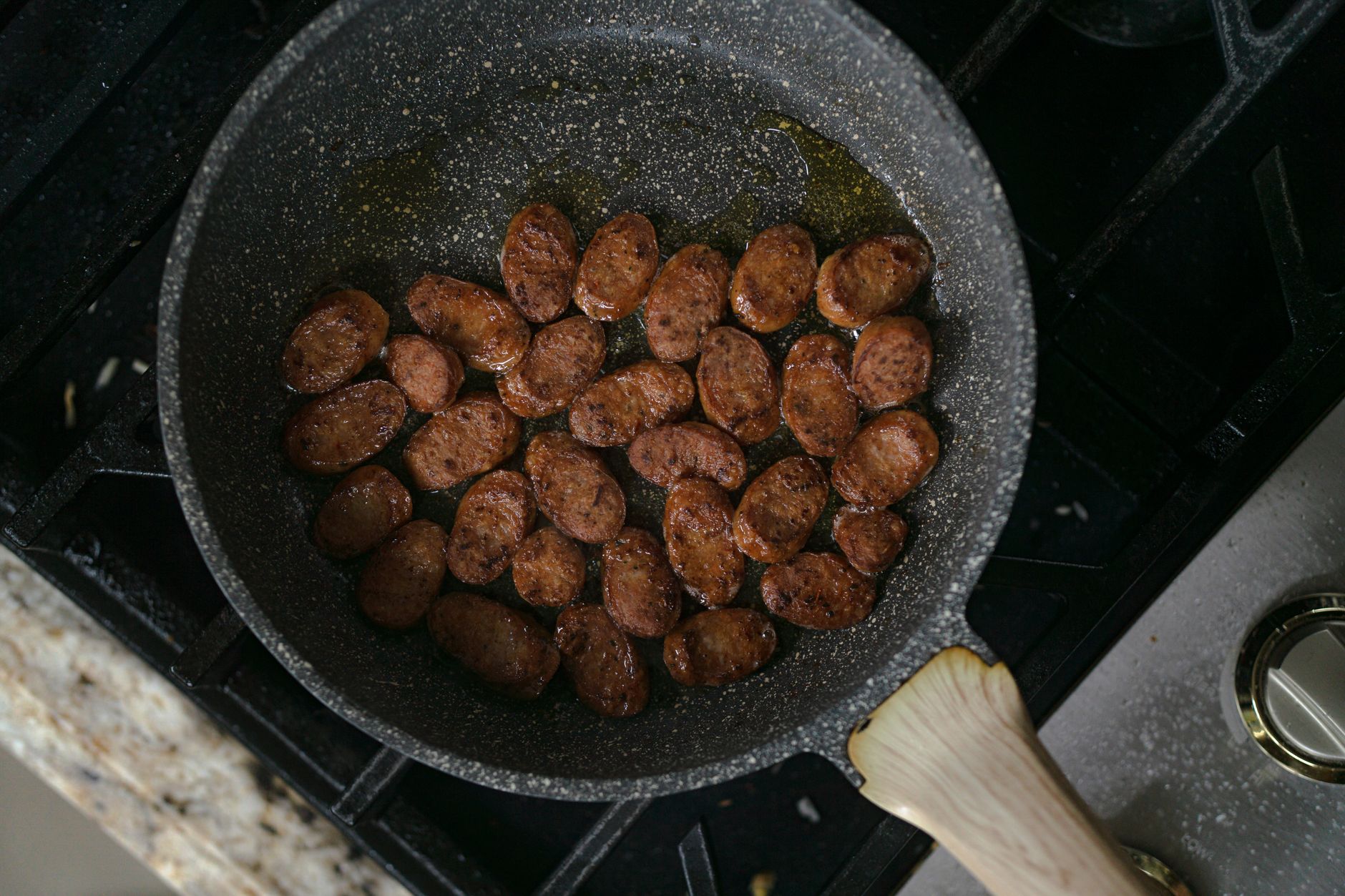
For many home cooks and grilling enthusiasts, knowing how to safely prepare and enjoy Italian sausage can raise some questions. One such question often arises: Can Italian sausage be a little pink? Understanding the safety and cooking of Italian sausage is essential to guarantee a satisfying meal.
This article delves into the specifics of cooking Italian sausage, addressing the safety of consuming slightly pink sausage, cooking techniques, and why the color doesn’t always determine the readiness of your sausage. Read on to ensure your Italian sausage is deliciously cooked and safe to eat.
Can Italian Sausage Be a Little Pink?
Yes, Italian sausage can be a little pink in the center as long as it has reached a safe internal temperature of 160°F (71°C). This color can result from the curing process and the presence of certain seasonings like paprika and nitrates. Nevertheless, using a meat thermometer is the best way to ensure safety when cooking.
Understanding Italian Sausage
Italian sausage is a popular ground meat product seasoned with various herbs and spices. Typically made from pork, it may also be prepared with turkey or chicken. The seasoning blend often incorporates garlic, fennel, and red pepper flakes, providing a distinctive flavor profile.
Italian sausage comes in various forms, including:
- Sweet Italian Sausage: Mild flavor with sweeter spices.
- Hot Italian Sausage: Spicier variety featuring red pepper flakes.
- Italian Sausage Links: Made for grilling or frying.
- Ground Italian Sausage: Often used in pasta sauces, casseroles, and stuffing.
Cooking Italian Sausage
When cooking Italian sausage, it’s important to use the right technique to enhance flavor while ensuring food safety. Here are several methods to consider:
Grilling
- Preheat the grill to medium heat (about 350°F or 177°C).
- Place the sausage links on the grill and cook for 10-12 minutes, turning occasionally to achieve an even sear.
- Use a meat thermometer to check the internal temperature, aiming for 160°F (71°C).
Pan-Frying
- Heat a skillet over medium heat with a small amount of oil (1-2 tablespoons).
- Add sausages and cook for 8-10 minutes, turning frequently.
- Check the internal temperature. Once it reaches 160°F (71°C), remove and let rest before serving.
Baking
- Preheat the oven to 400°F (204°C).
- Place sausages on a baking sheet lined with parchment paper.
- Bake for 20-25 minutes, flipping halfway through for even cooking.
- Ensure the internal temperature of 160°F (71°C) is reached before serving.
Why Does Italian Sausage Sometimes Appear Pink?
There are several reasons why cooked Italian sausage may exhibit a pink hue, even when thoroughly cooked:
- Curing Agents: Many sausages are cured and might contain nitrates or nitrites, which can retain a pink color.
- Cooking Method: High heat or direct flame can sometimes lead to a changing color in the meat without affecting safety.
- pH Levels: The pH level of the meat can also affect color. When mixed with certain spices, it can result in a reddish tint.
Using a Meat Thermometer: The Safest Method
The most reliable way to ensure that Italian sausage is safely cooked is to use a meat thermometer. This tool allows you to take the internal temperature, freeing you from relying solely on color. Follow these important tips:
- Insert the thermometer into the thickest part of the sausage, avoiding fat or bone.
- For links, test in the center of the sausage.
- The safe cooking temperature for pork products, including Italian sausage, is 160°F (71°C).
Common Mistakes When Cooking Italian Sausage
Even seasoned cooks can make mistakes when preparing Italian sausage. Here are some common pitfalls to avoid:
- Not Using a Thermometer: Relying on color alone can lead to undercooked meat.
- Overcrowding the Pan or Grill: This can lead to uneven cooking and lack of browning.
- Cooking at Too High of a Heat: High temperatures can char the outside while leaving the inside undercooked.
- Skipping Letting Sausage Rest: Allowing sausage to rest for a few minutes post-cooking helps retain juices yet minimize dryness.
Storing Leftover Italian Sausage
Proper storage is crucial for leftover Italian sausage to maintain freshness and safety. Follow these storage tips:
- Refrigeration: Store leftover sausages in an airtight container in the refrigerator for up to 3 days.
- Freezing: For longer storage, freeze cooked Italian sausage in a freezer-safe bag or container for up to 3 months.
- Thawing: Always thaw frozen sausage in the refrigerator or in cold water instead of leaving it out at room temperature.
- Reheating: Reheat fully cooked sausage until it reaches an internal temperature of 165°F (74°C) before serving again.
Recipes Featuring Italian Sausage
Italian sausage is incredibly versatile and can be used in various dishes. Here are some ideas to incorporate it into your meal planning:
Italian Sausage Pasta
This hearty dish combines Italian sausage, pasta, and a rich tomato sauce. The flavors blend beautifully to create a comforting meal.
Italian Sausage and Peppers
This classic dish involves sautéing sausage with colorful bell peppers and onions. It makes for a delicious filling for sandwiches or served over rice.
Italian Sausage Soup
Perfect for chilly days, this soup combines Italian sausage, vegetables, and beans for a nutritious, warming bowl.
Conclusion
In summary, Italian sausage can indeed be a little pink if it has reached the safe internal temperature of 160°F (71°C). Whether you grill, bake, or pan-fry, using a meat thermometer is the best practice to ensure safe and delicious results. When in doubt, focus on temperature rather than color to make your Italian sausage experience both safe and satisfying.
For more culinary insights, tactics for cooking sausage, or understanding related recipes, explore our detailed guides about Andouille Sausage Recipe and Turkey Sausage Recipe.