
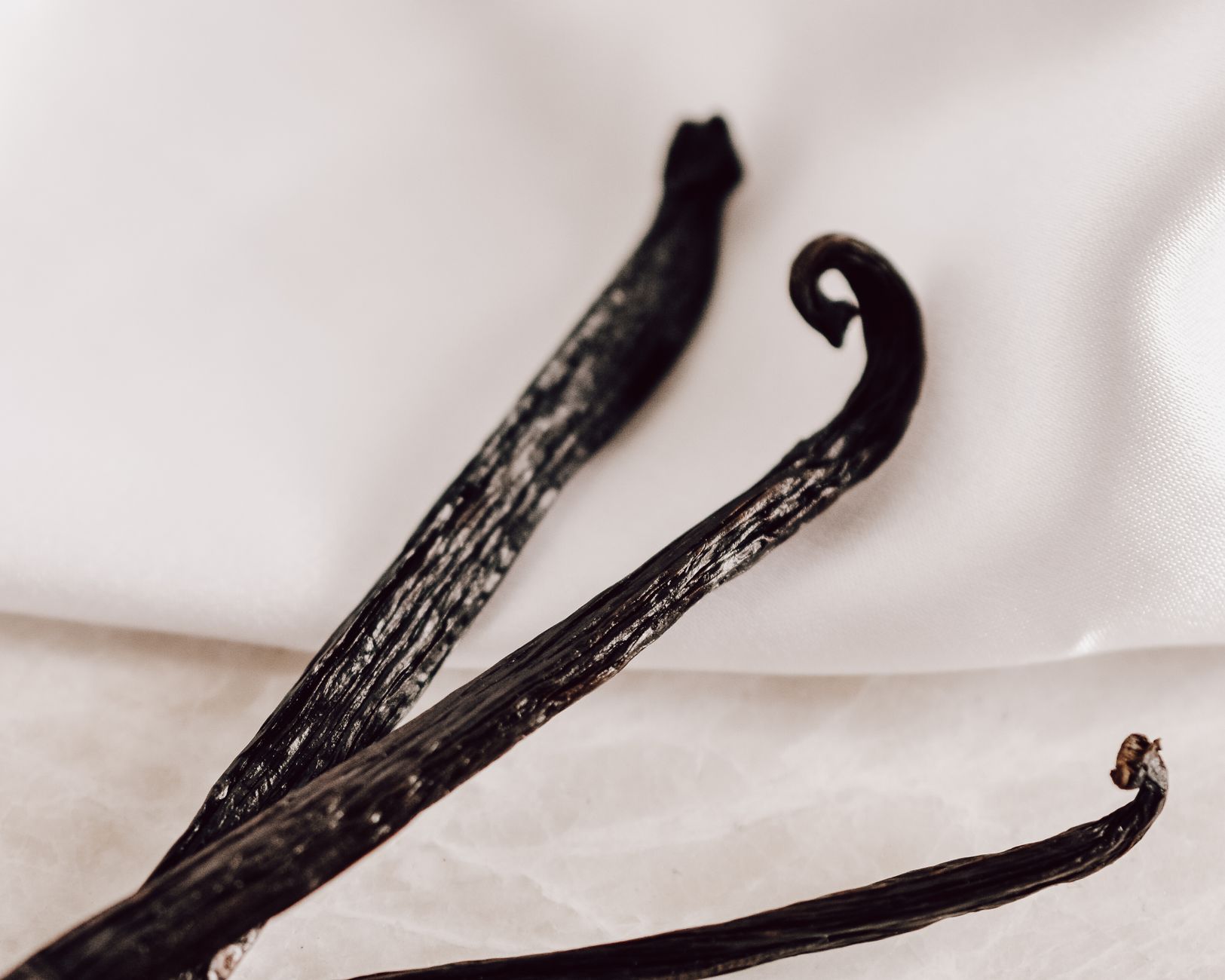
Vanilla is a beloved flavor across various culinary traditions, known for its warm, sweet, and floral aroma. Two of the most popular forms of vanilla used in cooking and baking are vanilla extract and vanilla bean paste. If you’re wondering whether you can substitute vanilla bean paste for vanilla extract, this guide is for you.
This article will help clarify the differences between these two products, their uses, and how to make effective substitutions in your recipes. Understanding these ingredients can bring out the best flavors in your dishes, from cakes to custards.
Can You Substitute Vanilla Bean Paste for Vanilla Extract?
Yes, you can substitute vanilla bean paste for vanilla extract. Vanilla bean paste contains the essence of vanilla beans combined with a thick syrup, offering a more intense and concentrated flavor than typical vanilla extract. However, due to its thicker consistency and distinct characteristics, the substitution should be done thoughtfully.
Understanding Vanilla Extract and Vanilla Bean Paste
Before diving into substitutions, it’s important to understand the differences between vanilla extract and vanilla bean paste.
Vanilla Extract
Vanilla extract is made by soaking vanilla bean pods in alcohol. This process extracts the flavor compounds from the beans. It is available in various forms, including pure and imitation versions:
- Pure Vanilla Extract: Made from real vanilla beans without any synthetic additives, pure vanilla extract offers a rich flavor.
- Imitation Vanilla Extract: Often made from synthetic flavoring, this type is less expensive but may lack the depth and complexity of pure extract.
Vanilla Bean Paste
Vanilla bean paste combines vanilla extract and vanilla bean scrapings, giving it a richer flavor and a noticeable speckling of vanilla seeds. It is thicker than vanilla extract and can provide a more potent vanilla taste.
- Characteristics of Vanilla Bean Paste: The blend of extracts with small flecks of vanilla seeds enhances both appearance and taste. It’s an excellent choice for recipes where the visual appeal is important, such as frostings or custards.
Substituting Vanilla Bean Paste for Vanilla Extract
Substituting vanilla bean paste for vanilla extract can elevate your recipes, but there are some important details to keep in mind:
Flavor Difference
While both products have distinct vanilla flavors, vanilla bean paste tends to be more intense. When substituting, you might want to use a slightly lesser amount, especially if the recipe requires a large quantity of vanilla extract.
Texture and Consistency
The texture difference is also crucial. Vanilla bean paste’s thicker consistency can alter the texture of certain recipes. For example, in batters and doughs, it might work well, but in liquids, it could change the overall consistency. Ensure to consider this in your measurement.
Measuring Substitution
When substituting vanilla bean paste for vanilla extract, the general rule of thumb is to use about 1 teaspoon of vanilla bean paste for every 1 teaspoon of vanilla extract. However, you can adjust this based on personal preference or the specific needs of the dish.
Practical Tips for Substituting
Here are some additional tips and tricks for successfully substituting vanilla bean paste for vanilla extract:
- Start small: Begin with a smaller amount of vanilla bean paste to gauge the flavor intensity and adjust as necessary.
- Blend with liquids: If your recipe involves a lot of liquid, consider mixing the vanilla bean paste into a small amount of warm water or milk first to help it integrate smoothly.
- Account for thickness: If the recipe has a very liquid consistency, such as a delicate custard, consider reducing another thickening agent to balance the change in texture.
When to Use Vanilla Bean Paste
Vanilla bean paste is not just a replacement; it’s an ingredient that can elevate your dish. Here are some ideal scenarios for using vanilla bean paste:
Desserts
In baking, desserts like cakes, ice creams, and custards can benefit enormously from vanilla bean paste. Its flavor compounds work beautifully in rich, creamy textures.
Custards and Creams
Using vanilla bean paste in custards, puddings, or whipped creams creates a deliciously fragrant result, enhanced by the visual appeal of the tiny vanilla specks.
Sauces and Drizzles
For toppings like sauces or drizzles, vanilla bean paste can contribute both enhanced flavor and aesthetic appeal. Consider it in fruit sauces over cheese cakes or drizzled over pancakes.
Common Recipe Scenarios
To understand better when and how to use vanilla bean paste instead of vanilla extract, consider the following common recipes:
Cakes
In most cake recipes, you can easily swap out vanilla extract for vanilla bean paste. The paste will enhance both the flavor and appearance of the cake. Use the same measurement, or adjust slightly for more intensity.
Frostings
When making buttercream frosting, vanilla bean paste is a great option due to its thick consistency. Not only will it provide a rich flavor, but the tiny vanilla seeds will be visually appealing.
Puddings and Custards
In recipes for puddings and custards, using vanilla bean paste can deepen the vanilla flavor and ensure a rich, creamy dessert. Keep the measurement the same and adjust as needed for flavor.
Ice Cream and Sorbets
For homemade ice cream or sorbets, vanilla bean paste adds a luxurious flavor. Again, the same measuring equivalency applies. Just be sure to stir in the paste thoroughly to avoid clumping.
Potential Limitations of Substitution
While substituting vanilla bean paste for vanilla extract can enhance recipes, it’s wise to note some potential limitations:
In Baking
In baking recipes requiring precise chemical reactions, like macarons or soufflés, be mindful of the changes in texture due to the paste’s thickness. Adjust other ingredients if necessary to maintain consistency.
Imitation Vanilla Substitutes
If your recipe calls for imitation vanilla due to budget constraints, switching to vanilla bean paste can yield a more expensive but far superior result in quality and taste.
Storage and Shelf Life
Both vanilla extract and vanilla bean paste have a long shelf life if stored correctly. Here’s what to keep in mind:
- Vanilla Extract: Store in a cool, dark place, ideally in a glass bottle. Properly stored, it can last indefinitely.
- Vanilla Bean Paste: Keep in a cool, dark location, and ensure it’s sealed tightly to avoid drying out. It typically lasts about 1-2 years when unopened and shorter when opened.
Conclusion
Substituting vanilla bean paste for vanilla extract is not only possible but can provide an enhanced flavor profile in your culinary creations. With the right measurements and considerations regarding texture, your recipes can reach new heights of deliciousness. Whether you’re baking a cake or preparing a creamy custard, embrace the rich flavors of vanilla bean paste in your dishes.
For more information on ingredient substitutions, check out what is a substitute for vanilla extract or find out how to make vanilla bean paste yourself. Explore the versatility of these ingredients and elevate your cooking today!