
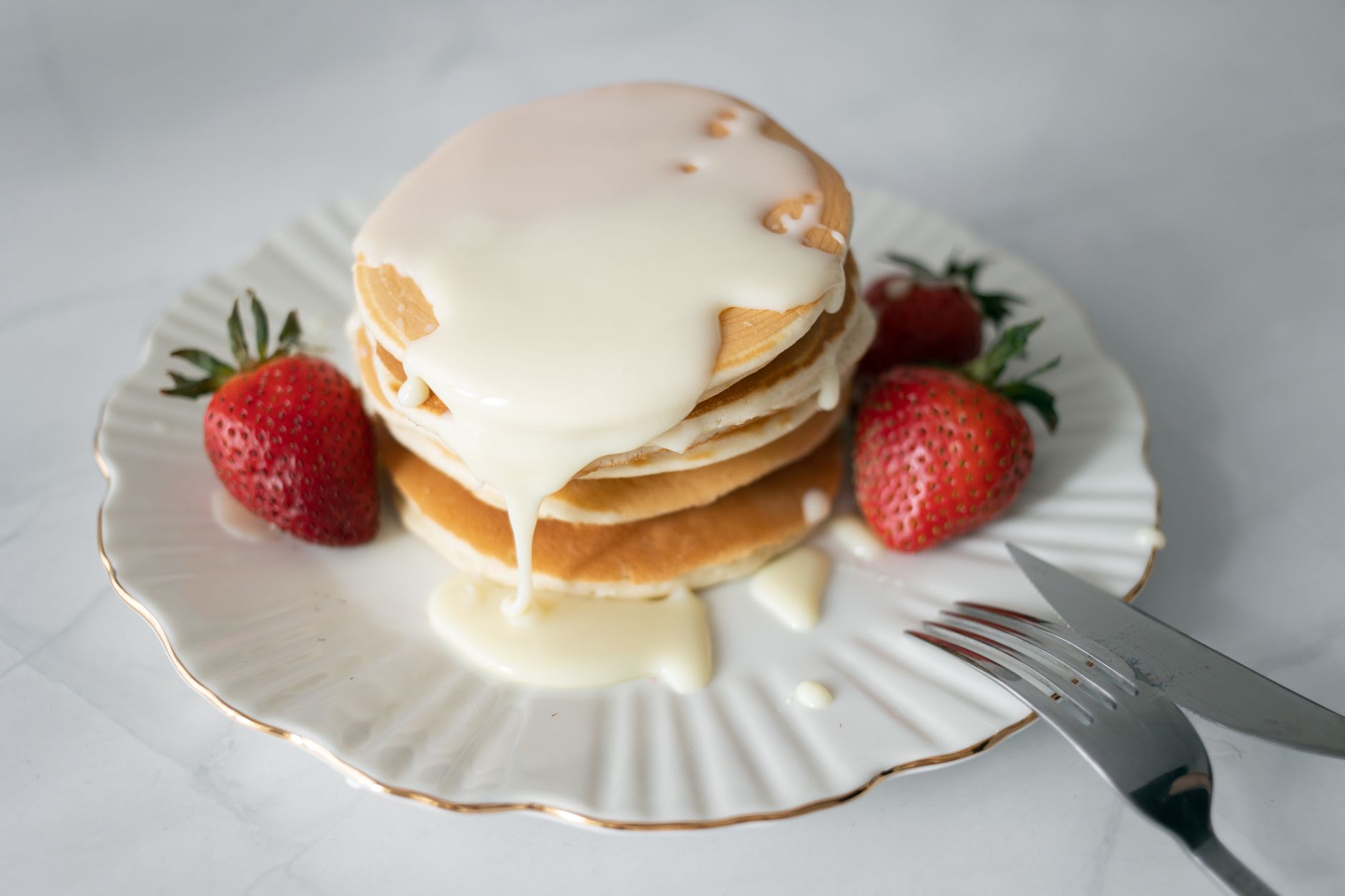
Buttermilk and heavy cream are both popular dairy ingredients used in a variety of recipes, but they serve different purposes. Understanding whether buttermilk can be a substitute for heavy cream is crucial for both cooking enthusiasts and home chefs. This article explores the characteristics, uses, and potential substitutions between buttermilk and heavy cream to help you make informed culinary decisions.
Heavy cream is a rich, high-fat dairy product, typical in recipes that require richness, such as sauces and desserts. In contrast, buttermilk is a tangy, lower-fat option that is often used in baked goods. Let’s delve into the details of these two ingredients, their culinary roles, and practical tips for substituting one for the other.
Can I Substitute Buttermilk for Heavy Cream?
Yes, you can substitute buttermilk for heavy cream in some recipes, but it will alter the dish’s texture and flavor. While heavy cream contributes thickness and richness, buttermilk adds a tangy flavor and moisture, making it suitable for specific preparations. Consider the recipe you’re using and the desired outcome before making the swap.
Understanding Buttermilk
Buttermilk is traditionally the sour liquid left after churning butter from cream. Today, it’s commonly produced by adding lactic acid bacteria to regular milk to create a tart flavor and a thicker consistency. It has about 1-2% fat content, making it significantly lighter than heavy cream.
Culinary Uses of Buttermilk
Buttermilk is a versatile ingredient known for its ability to tenderize and add flavor. It’s commonly used in the following ways:
- Baking: Buttermilk is often used in pancakes, muffins, and cakes for its leavening properties when combined with baking soda. It creates a light, fluffy texture.
- Dressings and marinades: Its tanginess makes buttermilk an excellent base for creamy dressings and marinades, enhancing the flavor of chicken and vegetables.
- Quick breads: Buttermilk is frequently found in recipes for biscuits and cornbread, providing moisture without the heaviness of cream.
Understanding Heavy Cream
Heavy cream, also known as heavy whipping cream, contains about 36-40% milk fat, giving it a rich and creamy texture. Due to its high fat content, heavy cream can be whipped and used to create light and airy toppings, or it can be added to sauces and soups to create a luscious mouthfeel.
Culinary Uses of Heavy Cream
Heavy cream is prized for its versatility in both sweet and savory dishes:
- Whipped toppings: Heavy cream can be whipped to create a stable topping for desserts, making it perfect for cakes, pies, and coffee.
- Sauces and soups: It’s often used to create rich, creamy sauces and soups, such as Alfredo sauce or cream of mushroom soup.
- Baking: It can be used in baking to add moisture and fat, improving the texture of cakes and pastries.
Flavor and Texture Differences
The most significant differences between buttermilk and heavy cream are their flavor profiles and textures. Buttermilk is tangy and slightly acidic, which can enhance flavor but may not provide the richness needed in certain dishes. Heavy cream, on the other hand, is smooth, rich, and creamy, contributing to the desired mouthfeel in creamy sauces and desserts.
Texture Alterations When Substituting
When substituting buttermilk for heavy cream, expect several changes in texture:
- The dish may be thinner since buttermilk contains much less fat than cream.
- You might notice a tangy flavor which can be delightful in some recipes but unpleasant in others, particularly in desserts.
- In whipped applications, buttermilk cannot be whipped, so it should not replace cream in whipped toppings.
Practical Tips for Substituting Buttermilk for Heavy Cream
While buttermilk can substitute for heavy cream, specific considerations and adjustments are necessary to ensure successful outcomes.
1. Consider the Recipe’s Purpose
Evaluate whether the recipe relies on the richness of heavy cream. In recipes like alfredo sauce or chocolate mousse, the swap may not yield the best results. In baking recipes, such as pancakes or muffins, replacing heavy cream with buttermilk usually works better.
2. Adjusting Ratios
Substituting buttermilk for heavy cream typically involves a 1:1 ratio; however, adjustments may be necessary based on the desired texture. If the recipe calls for a significant quantity of cream, consider adding some extra fat, like butter, to mimic the texture. For every cup of buttermilk used, adding 2 tablespoons of melted butter can increase creaminess.
3. Mind the Balancing Act
Buttermilk’s acidity can react with baking soda, providing additional leavening. When using buttermilk in baking recipes that already contain baking powder or baking soda, you may need to reduce the overall acidic ingredients for balanced flavor.
4. Tailor the Flavor
If the tanginess of buttermilk is a concern, consider mixing buttermilk with a splash of milk or cream to lighten its flavor. This combination can help to replicate the richness more closely while reducing acidity, particularly in savory recipes.
Examples of Recipes with Substitution Tips
Here are some practical applications where buttermilk can replace heavy cream, along with specific adjustments for each recipe.
Pancakes and Waffles
Buttermilk pancakes are a classic breakfast dish. When using buttermilk instead of heavy cream, simply replace the cream with an equal amount of buttermilk. If you want to enhance texture, add a tablespoon of melted butter for each cup of buttermilk used.
Biscuits
In biscuit recipes, substituting buttermilk for heavy cream creates a tender, moist texture. Use the same 1:1 ratio, and remember to add baking soda to activate the acidity in buttermilk, increasing the rise.
Salad Dressings
To make creamy dressings, use buttermilk instead of heavy cream to lower the calorie count. Combine equal parts buttermilk with mayonnaise or yogurt to achieve a creamy consistency that isn’t overly tangy.
Soups and Sauces
In soups and sauces, replacing heavy cream with buttermilk will create a thinner consistency and add tanginess. Consider reducing other liquid ingredients in your recipe to maintain a desirable texture or enhancing the creaminess by adding additional fat, like olive oil or butter.
Cakes and Muffins
In baked goods, buttermilk can create a lighter texture. Substitute buttermilk for heavy cream at a 1:1 ratio, and consider adding additional fat to ensure a moist crumb.
Common Mistakes to Avoid
When substituting buttermilk for heavy cream, a few common pitfalls can affect your final dish:
- Not adjusting the acidity balance, which can lead to overly tangy flavors in your dish.
- Using buttermilk in a whipped application, which will not yield the desired whipped texture.
- Not accounting for changes in consistency, especially in sauces, which may become runny if too much liquid is introduced without compensating ingredients.
Storing Buttermilk and Heavy Cream
Proper storage of both buttermilk and heavy cream is essential for maintaining freshness and quality.
Buttermilk Storage
Store opened buttermilk in the refrigerator and use it within two weeks for best quality. If you have leftover buttermilk, consider freezing it for later use, though texture may change slightly after thawing. Freeze buttermilk in portions for convenience.
Heavy Cream Storage
Heavy cream should also be refrigerated and can last about 1-2 weeks past the expiration date if unopened. Once opened, it should be consumed within a week. For longer storage, heavy cream can be frozen, but it may separate upon thawing, requiring whisking before use.
Conclusion
Substituting buttermilk for heavy cream is a feasible option in many recipes, particularly in baking and sauces. Understanding the differences in texture and flavor is vital to ensure successful outcomes. By following the tips and substitutions outlined in this guide, you can creatively utilize buttermilk while still achieving delightful results in your culinary endeavors. Experiment wisely, and don’t hesitate to adjust other ingredients to balance flavors and textures effectively.
If you’re looking for more insights on ingredient substitutions, check out our guide on substituting milk for heavy cream or try our delicious cinnamon roll recipe with heavy cream for a tasty treat!