
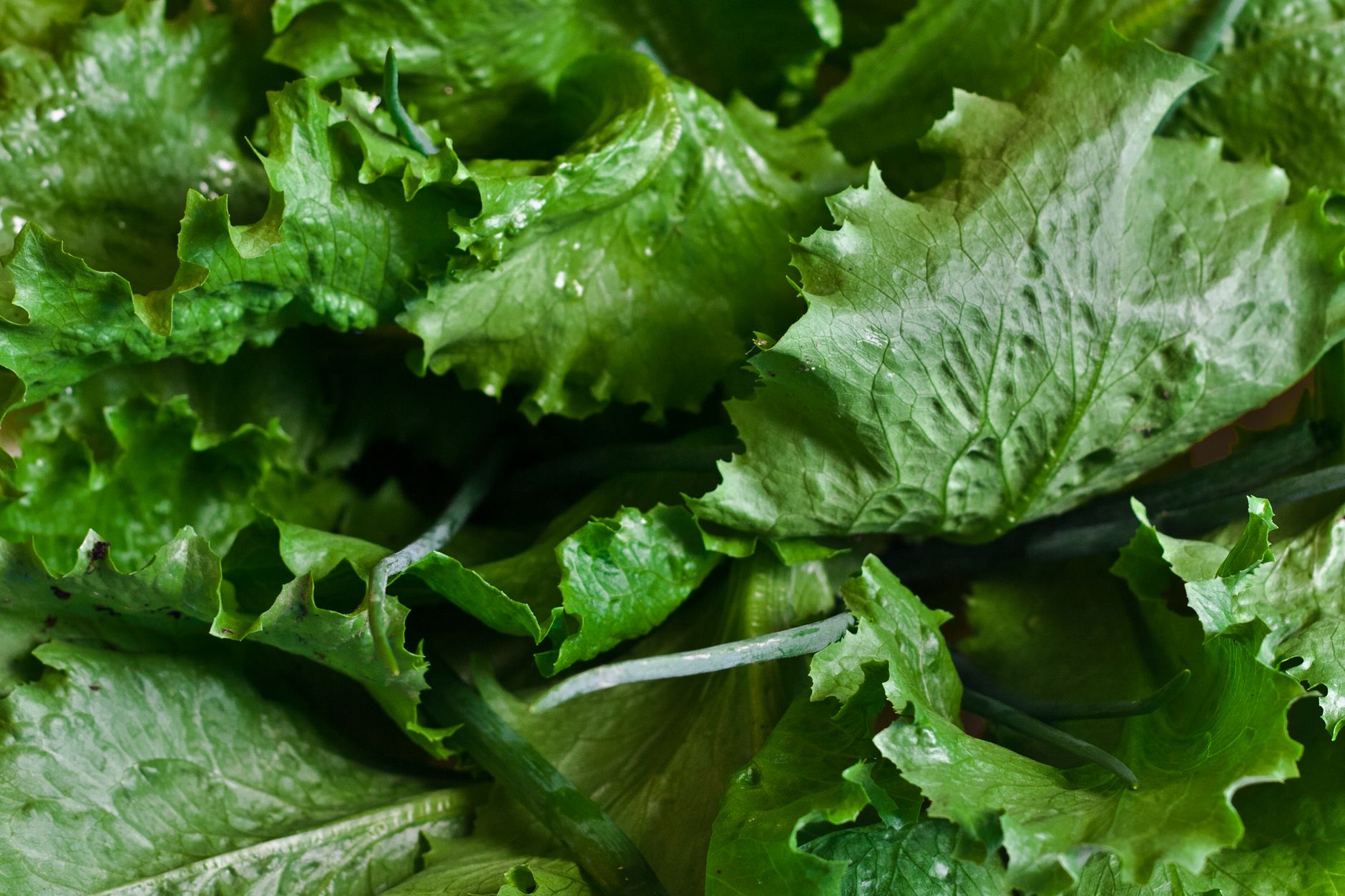
Lettuce is a versatile leafy green that can add freshness and crunch to many dishes. However, its consumption may depend on various factors such as its freshness, your dietary preferences, or potential allergies. In this article, we will explore the nuances of consuming lettuce, including types, storage tips, and how to prepare it safely and deliciously.
Understanding when and how to enjoy lettuce can help optimize its flavor and nutritional benefits. Let’s dive into the issues surrounding whether you can eat lettuce right now!
Can I Eat Lettuce Right Now?
Yes, you can eat lettuce right now, provided it is fresh and stored properly. However, it’s essential to assess its appearance, smell, and texture before consuming to ensure its quality and safety.
Types of Lettuce
There are several types of lettuce, each with unique flavors, textures, and uses. Knowing these varieties can help you choose the right one for your meal.
- Iceberg Lettuce: Crunchy and hydrating, it is often used in sandwiches and salads.
- Romaine Lettuce: Known for its long, sturdy leaves, it is perfect for Caesar salads.
- Green Leaf Lettuce: Tender and slightly sweet, it adds a soft texture to salads.
- Red Leaf Lettuce: Similar to green leaf but with a mild, slightly peppery flavor and a vibrant red color.
- Butterhead Lettuce: Also known as Boston or Bibb lettuce, it has soft, pliable leaves with a sweet taste.
Signs of Freshness
Before eating lettuce, check for signs of freshness. Here are key indicators:
- Color: Fresh lettuce should look vibrant and green. Dull or yellowing leaves indicate aging.
- Texture: Leaves should be crisp and firm. Wilted or slimy leaves are a sign of spoilage.
- Smell: Fresh lettuce will have a mild, clean aroma. A sour or off smell indicates it is no longer fresh.
Proper Storage Practices
To enjoy lettuce at its best, proper storage is crucial. Follow these practices to maximize freshness:
- Keep it cool: Store lettuce in the refrigerator as soon as possible to maintain its freshness.
- Use ventilated bags: Store in perforated plastic bags to allow airflow while retaining moisture.
- Do not wash before storing: Excess moisture can lead to rot. Wash the leaves just before eating or using them.
How to Prepare Lettuce
Preparing lettuce is easy and allows for a variety of culinary uses. Here’s how to prepare it properly:
- Wash: Rinse leaves under cold water to remove dirt and pesticide residues.
- Dry: Use a salad spinner or pat leaves dry with a clean kitchen towel to avoid sogginess.
- Cut: Tear or chop the leaves as desired. Avoid using a knife for delicate types, as it can bruise the leaves.
- Serve: Use immediately in salads, wraps, or as a garnish for various dishes.
Using Leftover Lettuce
Do you have leftover lettuce? Here are some ideas to incorporate it efficiently:
- In Smoothies: Add a handful of lettuce to smoothies for a nutrient boost without altering the flavor much.
- In Sandwiches: Layer leftover leaves between the bread or wraps for added crunch.
- As a Pizza Topping: Fresh lettuce can be sprinkled on top of pizza after baking for added freshness.
Common Mistakes to Avoid
While preparing and storing lettuce, common mistakes can affect quality and safety. Here are some pitfalls to avoid:
- Storing with fruits: Avoid placing lettuce alongside fruits like apples, bananas, or tomatoes, as they emit ethylene gas, which contributes to spoilage.
- Neglecting to check for spoilage: Always inspect lettuce before using it, even if it was stored correctly.
- Using damaged leaves: Discard any leaves that show signs of damage, browning, or decay.
Health Benefits of Lettuce
Lettuce is not only a low-calorie addition to meals but also boasts several health benefits, such as:
- Hydration: High water content helps keep you hydrated.
- Fiber: Promotes digestive health and satiety.
- Vitamins and Minerals: Contains vitamins A, K, and C, and is rich in folate and potassium.
Popular Lettuce Recipes
Now that you know how to select, store, and prepare lettuce, consider trying some of these delicious lettuce recipes:
Wilted Lettuce Salad
This simple salad combines wilted greens with hot bacon dressing for a flavorful dish.
- Ingredients:
- 4 cups torn lettuce (any variety)
- 4 slices bacon, diced
- ¼ cup apple cider vinegar
- 1 tablespoon sugar
- Salt and pepper to taste
Thai Cucumber Salad
This refreshing salad features crisp cucumbers and lettuce tossed in a tangy dressing.
- Ingredients:
- 2 cups sliced cucumbers
- 2 cups shredded lettuce
- ¼ cup rice vinegar
- 1 tablespoon fish sauce
- 1 tablespoon sugar
- Chili flakes to taste
Variations and Substitutions
Feeling adventurous with your lettuce? Here are some variations and substitutions:
- Mixed Greens: Combine different types of lettuce for unique flavors and textures.
- Herbs: Add fresh herbs like basil or cilantro for an extra flavor layer.
- Substitute For Other Greens: If you don’t have lettuce, try spinach or kale, but they have different tastes and textures.
Food Safety Considerations
Ensuring food safety is crucial while handling lettuce. Follow these guidelines:
- Thorough Washing: Rinse your lettuce thoroughly to remove potential contaminants.
- Store at Safe Temperatures: Keep lettuce in the refrigerator at temperatures below 40°F (4°C).
- Avoid Cross-Contamination: Use separate cutting boards and utensils for raw meat and vegetables.
Conclusion
Lettuce is a versatile and nutritious food that can be enjoyed in many forms. Check its freshness, store it properly, and explore various recipes to make the most of this leafy green. Whether you enjoy it in salads, sandwiches, or innovative dishes, lettuce can be a healthy addition to your meals.
For more delicious lettuce recipes, whether a wilted salad or a Thai cucumber salad, be sure to explore our collection of cooking guides and let your creativity flow in the kitchen!