
Many expectant mothers wonder about the safety of consuming various foods during pregnancy, and honey is no exception. While honey is a natural sweetener with several culinary uses, it’s essential to understand both its health benefits and potential risks when you’re pregnant.
This article will explore whether you can eat honey while pregnant, the considerations involved, and alternatives or best practices for including it in your diet safely.
Can I Eat Honey While Pregnant?
Yes, most experts agree that pregnant women can safely consume honey in moderation. However, it is vital to choose the right type of honey and to be aware of certain health considerations.
Understanding Honey and Its Types
Before diving deeper into honey consumption during pregnancy, it’s helpful to understand what honey is and the different types available in the market.
What is Honey?
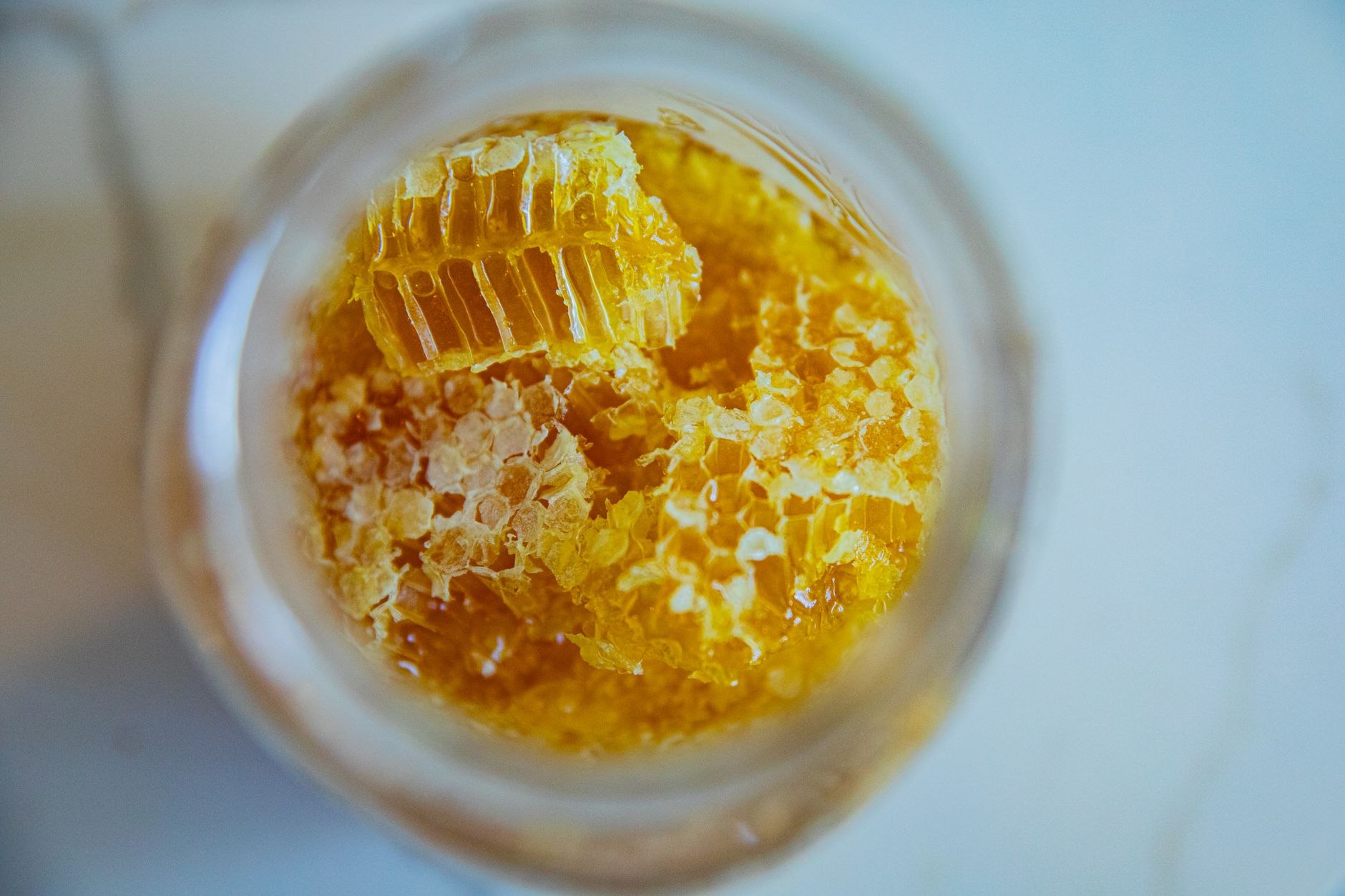
Honey is a natural sweet substance produced by bees from the nectar of flowers. It contains primarily sugars such as fructose and glucose, along with small amounts of vitamins, minerals, and antioxidants. Honey’s unique flavor and texture vary depending on the floral source, making it versatile for cooking and baking.
Types of Honey
Several types of honey are available, each with distinctive flavors and colors:
- Raw Honey: Unprocessed honey straight from the honeycomb. It retains beneficial nutrients and enzymes.
- Processed Honey: Honey that has been filtered and heated, which may remove some nutrients.
- Manuka Honey: A type of raw honey offered from the Manuka tree in New Zealand, known for its medicinal properties.
- Clove Honey: Honey made from the nectar of clove flowers, having a unique flavor profile.
- Clover Honey: The most common type of commercially available honey, from clover plants.
Health Benefits of Honey
While honey can be a tasty addition to your diet, it also has potential health benefits:
- Natural Energy Source: Honey provides a quick dose of energy due to its high natural sugar content.
- Antioxidants: Honey is rich in antioxidants, which may help support overall health.
- Soothing Properties: Honey may help soothe a sore throat and cough.
- Wound Healing: Some studies suggest honey can promote wound healing due to its antibacterial properties.
Safety Considerations for Honey During Pregnancy
Despite its benefits, there are specific concerns regarding honey, particularly for pregnant women. Understanding these concerns is crucial for safe consumption.
Botulism Risk
The most significant risk associated with honey, especially for infants, is botulism. Honey can contain spores of the bacterium Clostridium botulinum, which can cause a rare but serious illness in babies under 12 months. The adult digestive system generally prevents these spores from causing harm; however, pregnant women must still approach honey with caution, especially if consuming raw honey.
Moderation is Key
Consuming honey in moderation is generally safe. As with any sweetener, excessive consumption can lead to increased caloric intake and potential health issues, such as excessive weight gain or gestational diabetes.
Consult Your Healthcare Provider
If you’re unsure about including honey in your diet, it’s best to consult with your healthcare provider. They can provide personalized guidance based on your health and pregnancy.
How to Safely Include Honey in Your Diet
Here are some practical tips for safely including honey in your diet during pregnancy:
Choose the Right Type of Honey
Opt for pasteurized honey to reduce the risk of contamination. Raw honey, while potentially beneficial, may carry higher risks during pregnancy. Manuka honey is an interesting option due to its reputed health benefits, but it should still be consumed with caution.
Use Honey in Moderation
When adding honey to your meals, stick to small amounts. For instance, one or two teaspoons might enhance the flavor of your tea or yogurt without exceeding recommended sugar intake levels.
Incorporate Honey-Infused Recipes
Here are some delicious and safe ways to include honey in your meals:
Honey-Infused Yogurt
A quick and nutritious snack can be made by drizzling honey over plain Greek yogurt. This combination adds a natural sweetness and additional protein.
Honey and Whole Grain Toast
Spread a thin layer of honey on whole grain toast or add it to oatmeal for breakfast. This can provide a nutritious start to your day.
Honey Mustard Dressing
Create a simple dressing by mixing honey, mustard, vinegar, and olive oil for a fresh salad topping.
Practical Substitutions for Honey
If you’re looking to limit honey or don’t have any on hand, here are some alternatives that you can consider:
- Maple Syrup: A natural sweetener with a different flavor profile but a similar consistence that can work well in most recipes.
- Agave Nectar: A plant-based sweetener that is sweeter than honey and can be used in similar quantities.
- Stevia: A non-caloric sweetener that can be used in baking or cooking where sweetness is desired without extra calories.
Common Cooking Mistakes When Using Honey
When cooking with honey, there are common pitfalls to avoid:
- Overheating: Honey can lose its nutritional benefits when overheated. Avoid high heat or prolonged cooking times.
- Substituting in Baking: Honey is liquid, so it may require ingredient adjustments if you’re substituting it for granulated sugar in baking.
- Storage Conditions: Honey should be stored in a cool, dark place. Avoid refrigeration, which can lead to crystallization.
Honey Recipes to Try
Here are two delicious recipes that incorporate honey safely into your diet:
1. Honey-Glazed Carrots
This simple side dish adds a touch of sweetness to any meal.
- 1 pound carrots, peeled and sliced
- 2 tablespoons honey
- 1 tablespoon butter
- Salt and pepper to taste
- In a pan over medium heat, melt butter.
- Add carrots, salt, and pepper. Cook until tender.
- Drizzle with honey and stir until evenly coated.
2. Honey and Lemon Homemade Dressing
Brighten up your salads with this refreshing dressing.
- 1/4 cup olive oil
- 2 tablespoons honey
- Juice of 1 lemon
- Salt and pepper to taste
- Whisk together all ingredients until emulsified.
- Serve over your favorite salad greens.
Storage and Shelf Life of Honey
Honey has an impressive shelf life and does not spoil due to its low moisture content. To maintain its quality:
- Store honey in a sealed container in a cool, dry place.
- Avoid exposure to sunlight and heat.
- If honey crystallizes, you can gently reheat it in warm water to return to a liquid state.
Conclusion
In moderation and with cautious selection, honey can be a safe addition to your diet while pregnant. Always consult your healthcare provider for advice tailored to your needs, and experiment with honey-infused recipes to enhance your meals.
Explore related recipes and cooking tips for more culinary inspiration. Consider trying a delicious honey sesame chicken recipe or making a versatile honey glaze to enhance various dishes.