
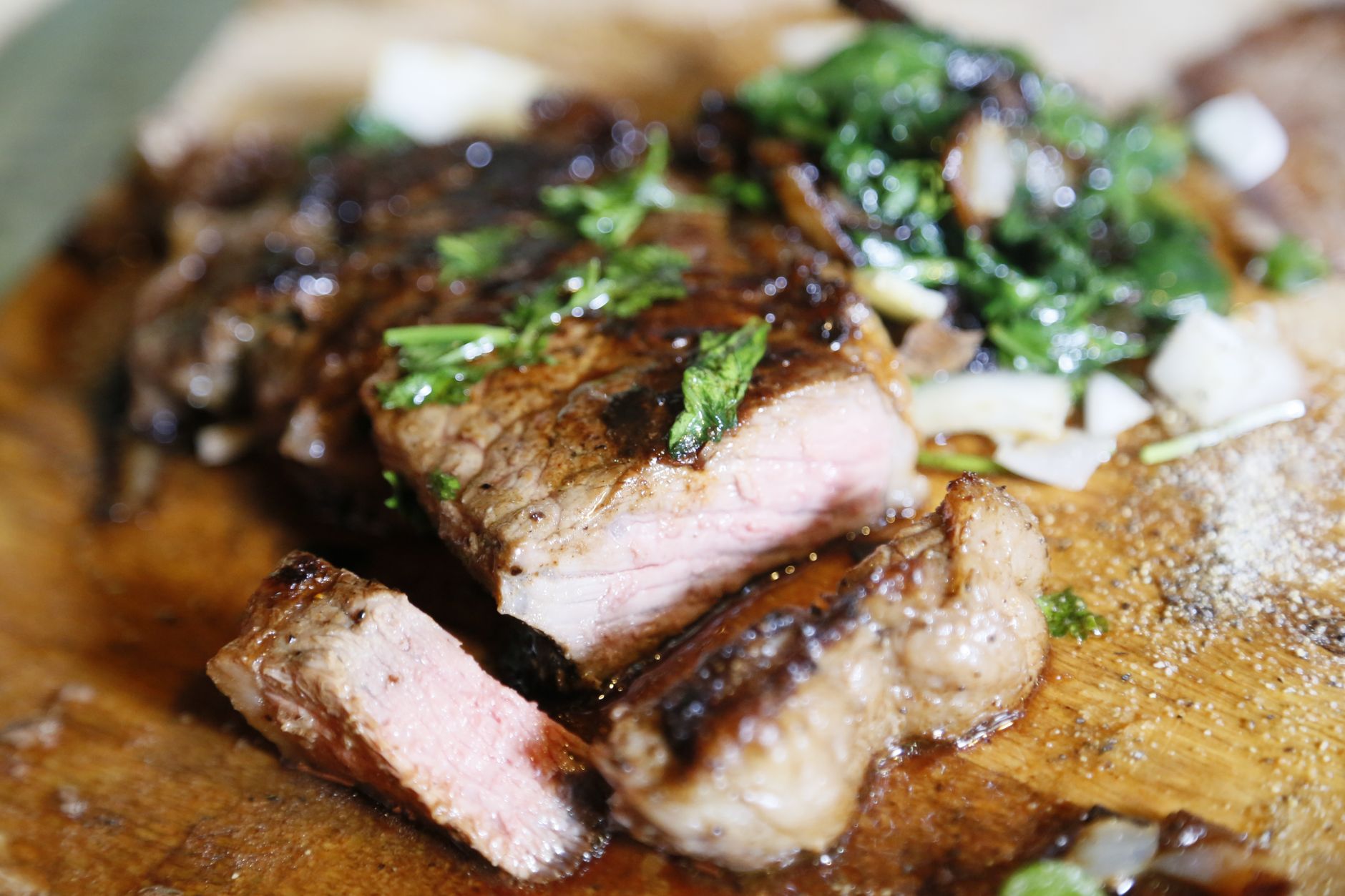
Pregnancy is a time of significant dietary considerations, as the health and development of the baby are paramount. One common question that arises is whether consuming medium-rare steak is safe during pregnancy. This article delves into the factors surrounding this topic, including food safety considerations, nutritional value, and alternatives if you decide to avoid undercooked meats.
As the craving for juicy, flavorful steak may become strong during pregnancy, understanding the risks involved with medium-rare meat is important. To provide clarity, we’ll explore the guidelines set by food safety authorities, discuss the nutritional benefits of steak, and suggest ways to safely enjoy steak while pregnant.
Can I Eat a Medium Rare Steak While Pregnant?
It’s generally advised to avoid medium-rare steak during pregnancy due to the risk of foodborne illnesses, such as toxoplasmosis and listeriosis. These can harm both the mother and the unborn child. Cooking meat to a minimum internal temperature of 145°F (63°C) is recommended to ensure safety.
Understanding Food Safety Guidelines
Before diving into the details of steak consumption during pregnancy, it’s crucial to understand the food safety guidelines provided by health authorities.
Cooking Temperatures
The U.S. Department of Agriculture (USDA) recommends that all beef steaks, roasts, and chops be cooked to a minimum internal temperature of:
- 145°F (63°C) and allowed to rest for at least three minutes before consumption.
At this temperature, harmful bacteria such as E. coli are effectively killed, reducing the risk of foodborne illness.
Risks of Consuming Undercooked Meat
Eating medium-rare steak increases the risk of contracting foodborne illnesses that can pose serious risks during pregnancy. Some of the primary concerns include:
- Toxoplasmosis: This parasitic infection can come from undercooked meat and is particularly harmful during pregnancy. It can affect the fetus and lead to severe complications.
- Listeriosis: Caused by the bacterium Listeria monocytogenes, it can infect pregnant women and lead to premature labor, miscarriage, or severe health problems for the newborn.
- E. Coli and Salmonella: These bacteria can also be present in undercooked beef and can cause gastrointestinal illnesses, potentially harmful during pregnancy.
Nutritional Benefits of Steak
Despite the safety concerns, steak is a rich source of important nutrients that are beneficial during pregnancy. Let’s explore these benefits:
High in Protein
Protein is crucial for the growth and development of the fetus. Steak is an excellent source of high-quality protein, which is essential for building fetal tissue and supporting maternal bodily functions.
Rich in Iron
Steak is a significant source of heme iron, which is more easily absorbed by the body compared to non-heme iron found in plant-based sources. Iron is vital for preventing anemia during pregnancy, thereby supporting the oxygen supply to both mother and baby.
Source of Vitamins and Minerals
Beef is also packed with essential vitamins and minerals, including:
- Vitamin B12: Important for nerve function and the production of DNA and red blood cells.
- Zinc: Supports the immune system and is vital for proper growth and development.
- Creatine: Supports energy metabolism in fetal development.
How to Safely Enjoy Steak During Pregnancy
If you do not want to give up steak during your pregnancy, there are safer ways to enjoy it.
Choose the Right Cuts
Selecting lean cuts of steak can provide nutritional benefits while minimizing fat intake. Some recommended cuts include:
- Sirloin
- Filet mignon
- Top sirloin
- Flank steak
Cooking Methods to Consider
It’s essential to ensure the steak is cooked thoroughly. Here are some cooking methods to help achieve a safe and delicious steak:
- Grilling: Provides a nice char and flavor while achieving safe cooking temperatures.
- Broiling: Cooks meat quickly, retaining juices and flavor.
- Searing: Briefly cooking each side at high heat seals in flavor and moisture.
Using a Meat Thermometer
Investing in a reliable meat thermometer can take the guesswork out of cooking steak. Insert the thermometer in the thickest part of the steak to check for doneness. Ensure it reaches a minimum of 145°F (63°C) for safety.
Common Mistakes to Avoid with Steak Preparation
Here are some pitfalls to watch for when cooking your steak:
Not Allowing the Meat to Rest
Letting the steak rest after cooking allows for juices to redistribute, enhancing flavor and tenderness. Skipping this step may lead to dry steak.
Cooking from Refrigeration
Cooking steak straight from the refrigerator can lead to uneven cooking. Allow the meat to come to room temperature for about 30 minutes before cooking for more uniform results.
Underestimating Cross-Contamination
Use separate cutting boards and utensils for raw meat and other food items to avoid cross-contamination. Wash hands, surfaces, and utensils thoroughly after handling raw meat.
Alternatives to Steak During Pregnancy
If you’re still concerned about the safety of eating steak during pregnancy, there are numerous alternatives to consider:
Cooked Lean Poultry
Chicken and turkey can provide excellent nutritional benefits while being safer when fully cooked. They are lower in fat and high in protein.
Fish and Seafood
Fish, such as salmon, are rich in omega-3 fatty acids. Opt for cooked seafood and avoid high-mercury varieties like shark or swordfish.
Plant-Based Protein Sources
Legumes, beans, lentils, tofu, and tempeh provide protein and iron without the risks associated with undercooked meats.
Well-Cooked Red Meat Substitutes
If you want to maintain the flavor profile of steak, consider well-cooked beef jerky or slow-cooked dishes with beef thoroughly cooked.
Meal Planning and Preparation Tips
Meal planning during pregnancy can help you ensure a balanced diet while avoiding risky food choices.
Batch Cooking
Consider batch cooking steaks after ensuring they are cooked thoroughly. Once cooked, divide into portions and store for later meals.
Pairing with Nutritional Sides
Enhance your meals by pairing your cooked steak with nutritional sides like:
- Steamed vegetables
- Whole grains such as brown rice or quinoa
- Leafy greens for added vitamins and minerals
Using Marinades and Seasoning
Maximize flavor by marinating your steak before cooking. Use safe marinades based on vinegar, citrus, or yogurt to tenderize and enhance taste while ensuring the steak is cooked properly.
Conclusion
While the urge to enjoy a medium-rare steak during pregnancy can be tempting, it is essential to prioritize safety. Thoroughly cooked steak can provide many nutritional benefits, and there are various alternatives to enjoy the flavors you crave while maintaining health standards. Always remember to follow food safety guidelines for the best outcome.
For more delicious meal ideas or cooking tips, explore these helpful links: learn about flat iron steak, or check out a tasty baked steak recipe.