
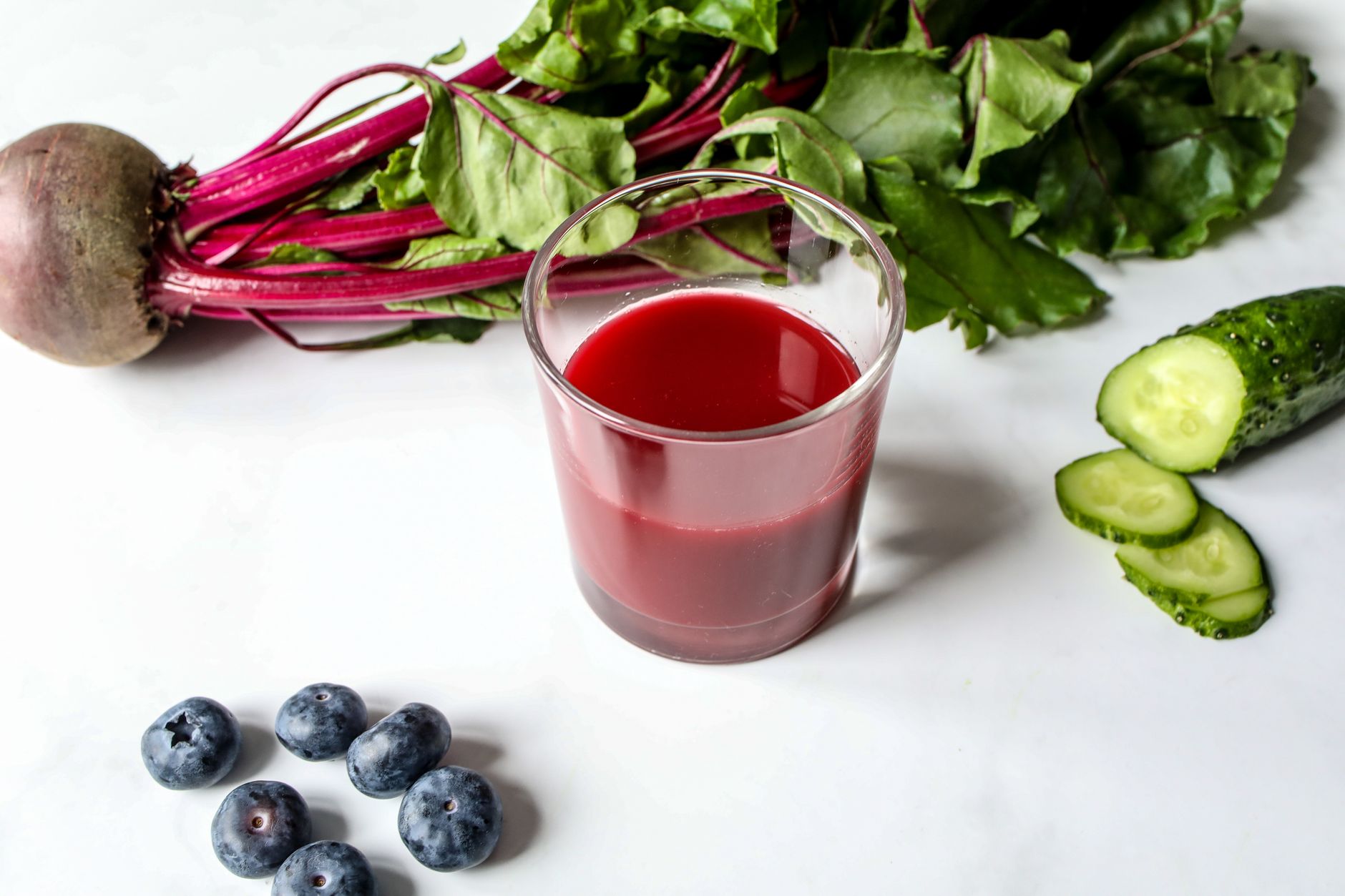
Pregnancy is a beautiful journey, often accompanied by numerous questions regarding diet, nutrition, and what is safe to consume. Among the many foods and beverages, beet juice has gained popularity for its vibrant color and nutritional benefits. However, expectant mothers may be wondering, “Can I drink beet juice while pregnant?” This article delves into the benefits and potential risks of beet juice consumption during pregnancy.
As we explore the topic, we will look into the nutritional profile of beet juice, the ideal portions for pregnant women, any safety concerns, and how to include it in your diet. Understanding these aspects can help you make informed choices that will support both your health and your baby’s development.
Can I Drink Beet Juice While Pregnant?
Yes, pregnant women can safely drink beet juice in moderation. Beet juice is rich in essential nutrients, including folate, iron, and antioxidants. However, it’s important to consume it in appropriate portions and discuss any dietary changes with your healthcare provider.
Nutritional Profile of Beet Juice
Before diving into the specifics of drinking beet juice while pregnant, let’s take a closer look at its nutritional content and health benefits.
Vitamins and Minerals
- Folate: Essential for DNA synthesis and cell division, making it particularly important during early pregnancy.
- Iron: Crucial for maintaining hemoglobin levels, supporting oxygen transport to both mother and baby.
- Vitamin C: Acts as an antioxidant and helps absorb iron from plant-based sources.
- Potassium: Helps to regulate blood pressure and fluid balance.
Antioxidants and Nitrates
Beet juice is high in antioxidants, which help combat oxidative stress. Additionally, it contains nitrates, which may improve blood flow and lower blood pressure – beneficial for pregnant women.
Potential Benefits of Drinking Beet Juice During Pregnancy
Incorporating beet juice into your diet while pregnant may provide several benefits:
Boosting Energy Levels
The natural sugars found in beet juice can provide a quick energy boost, which may be particularly beneficial for expectant mothers experiencing fatigue.
Supporting Healthy Blood Pressure
Due to its nitrate content, beet juice may help regulate blood pressure, an important consideration during pregnancy as some women may experience gestational hypertension.
Improving Digestion
The fiber content in beet juice aids digestion and may help alleviate constipation, a common issue for pregnant women.
Recommended Portions for Pregnant Women
While beet juice offers numerous health benefits, portion control is essential. Here are some guidelines on how much to consume:
Moderation is Key
Generally, consuming 4 to 8 ounces of beet juice a few times a week is recommended. However, it’s essential to listen to your body and adjust your intake based on how you feel.
How to Incorporate Beet Juice into Your Diet
There are many delicious ways to include beet juice in your daily meals:
- Mix with Other Juices: Combine beet juice with apple or carrot juice for added flavor and nutrients.
- In Smoothies: Add beet juice to your smoothie blends along with spinach, banana, and yogurt.
- In Dressings: Use beet juice as a vibrant base for salad dressings, mixing it with olive oil, vinegar, and herbs.
Potential Risks of Drinking Beet Juice During Pregnancy
While beet juice is generally safe and beneficial, there are some potential risks to consider:
Oxalates and Calcium Absorption
Beet juice contains oxalates, which can interfere with calcium absorption. Pregnant women should ensure they’re getting adequate calcium from other sources.
Oxidative Stress
Consuming excessive amounts of any food can lead to unbalanced nutrient intake. Overconsumption of beet juice might lead to an excess of certain nutrients, which can be counterproductive.
High Sugar Content
Although natural, beet juice can be high in sugar. Pregnant women monitoring blood sugar levels, especially those at risk for gestational diabetes, should be cautious.
Consulting with Your Healthcare Provider
Before making significant dietary changes, it’s crucial to speak with your healthcare provider. They can offer personalized advice based on your health history and pregnancy needs.
Homemade Beet Juice Recipe
Making your own beet juice is simple and allows you to control the ingredients and quantities. Here’s a quick recipe.
Yield
This recipe makes approximately 2 servings.
Preparation Time
15 minutes
Ingredients
- 2 medium-sized beets, washed and peeled
- 1 apple, cored
- 1 small carrot, peeled
- 1-inch piece of fresh ginger (optional)
- 1 cup water
Essential Equipment
- Juicer or blender
- Strainer (if using a blender)
- Knife and cutting board
Method
- Chop the beets, apple, carrot, and ginger into smaller pieces for easier blending.
- If using a juicer, feed all ingredients through the juicer according to the manufacturer’s instructions.
- If using a blender, combine the chopped ingredients and water, blending until smooth.
- Strain the mixture using a fine mesh sieve or cheesecloth to separate the juice from the pulp.
- Pour into a glass and enjoy immediately for the best flavor and nutrients.
Common Mistakes and Tips
When making beet juice, here are some tips to ensure optimal results:
- Start with smaller amounts if you’re new to beet juice; its earthy flavor can be strong.
- Always wash and peel beets to remove any pesticides or dirt.
- Consider adding a splash of lemon or lime juice to enhance the flavor and boost vitamin C content.
Storage and Reheating Guidance
Fresh beet juice is best consumed immediately. However, if you have leftovers, store in an airtight container in the refrigerator for up to 48 hours. Shake well before consuming, as separation may occur.
Summary
Drinking beet juice in moderation during pregnancy can offer several health benefits, including nutrient support and potential energy boosts. However, it’s important to stay aware of portion sizes, address potential risks, and consult your healthcare provider. By incorporating beet juice thoughtfully into your diet, you can enjoy its vibrant flavors while supporting your health and your baby’s development.
For more delicious recipes and food guides, explore our Harvard Beets Recipe and try the Chia Pudding with Coconut Milk for a nutritious snack or dessert option!