
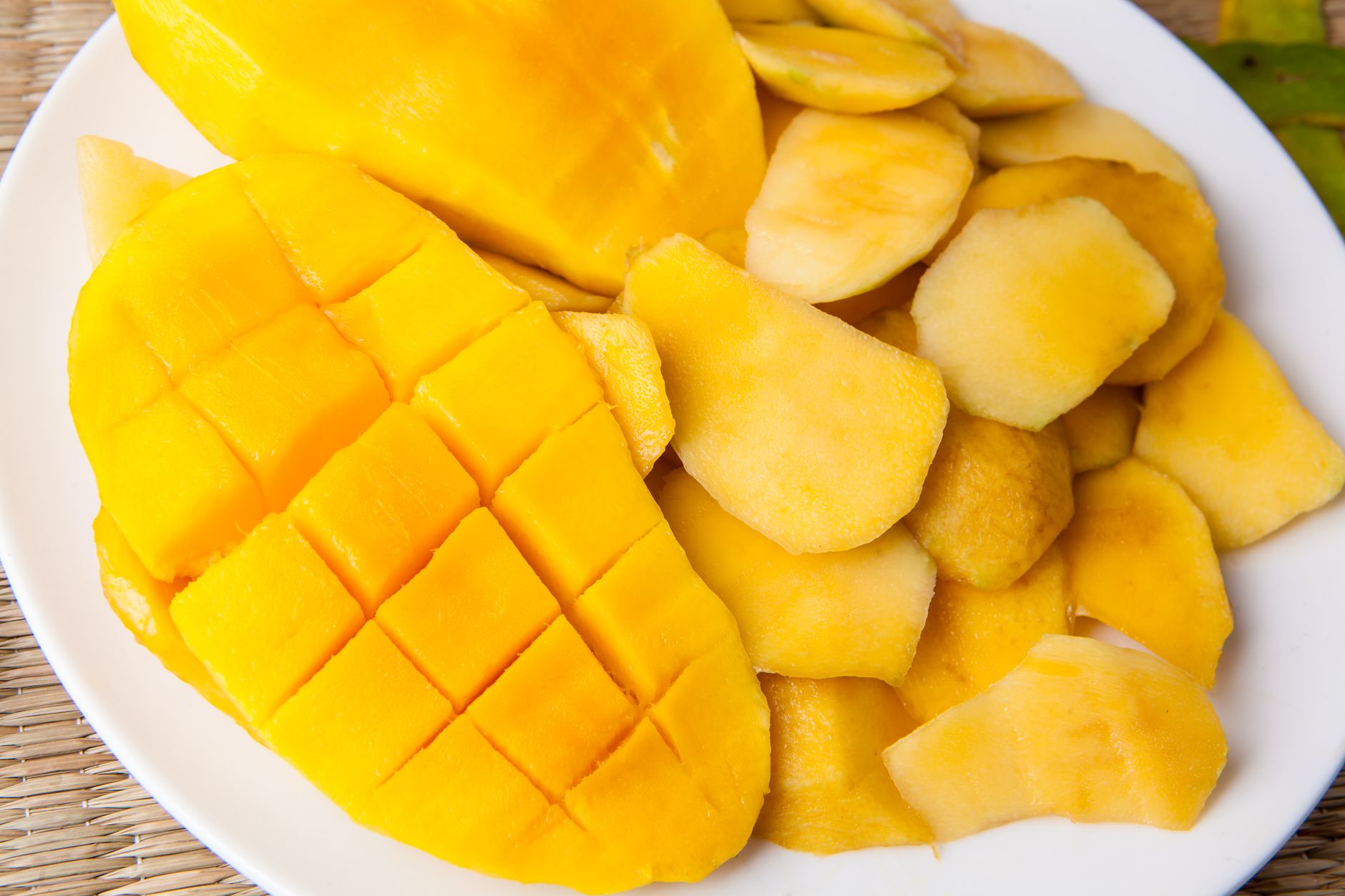
Mangoes are often known as the “king of fruits,” celebrated for their vibrant flavor, juicy texture, and nutritional benefits. However, individuals with diabetes frequently question whether they can include this delicious fruit in their diets. Understanding the effects of mangoes on blood sugar levels is crucial for diabetic meal planning and maintaining overall health.
This article explores the relationship between mangoes and diabetes, addressing their nutritional profile, potential health benefits, and practical tips for incorporating them into a diabetic-friendly diet.
Can Diabetics Eat Mangoes?
Yes, diabetics can eat mangoes, but moderation is key due to their natural sugars. Mangoes can be included in a balanced diet by considering portion sizes, timing, and how they fit into overall daily carbohydrate intake.
Nutritional Profile of Mangoes
Mangoes pack a nutritious punch, offering a variety of vitamins, minerals, and fiber. Here’s a breakdown of their nutritional composition per one medium-sized mango (about 200 grams):
- Calories: 150
- Total Carbohydrates: 35 grams
- Dietary Fiber: 5 grams
- Sugars: 31 grams
- Protein: 1 gram
- Fat: 0.6 grams
- Vitamin C: 100% of the Daily Value (DV)
- Vitamin A: 55% of the DV
- Folate: 18% of the DV
The fiber content in mangoes can help slow down the absorption of sugars, making it a more suitable choice compared to many other sugary fruits when consumed in appropriate portions.
Glycemic Index and Impact on Blood Sugar
The glycemic index (GI) measures how quickly a food raises blood sugar levels. Foods with a GI of 55 or lower are considered low-GI, while those with a GI of 70 or higher are high-GI. Mangoes have a moderate GI of around 51.
While mangoes do contain natural sugars, their fiber content can mitigate rapid spikes in blood sugar levels. For diabetics, it’s essential to monitor blood sugar responses after consuming mangoes and adjust portion sizes accordingly.
Health Benefits of Mangoes for Diabetics
Mangoes offer several health benefits that can be advantageous for individuals managing diabetes. Here are a few:
- High in Antioxidants: Mangoes are rich in antioxidants, such as quercetin and anthocyanins, which can help combat oxidative stress.
- Supports Digestive Health: The dietary fiber aids in digestion, preventing issues like constipation, which can be common for those with diabetes.
- Enhances Immune Function: With high vitamin C content, mangoes can help boost the immune system, promoting overall health.
- Eye Health: Vitamins A and C in mangoes contribute to good vision and may reduce the risk of eye diseases.
Portion Control and Meal Timing with Mangoes
To enjoy mangoes without significantly impacting blood sugar levels, portion control is critical. It’s advisable to limit servings to about one-half of a medium-sized mango (approximately 100 grams). Coupling mangoes with a source of protein or healthy fat can further stabilize blood sugar levels.
Consider timing your mango consumption around meals that contain other sources of carbohydrates. This can distribute the carbohydrates more evenly throughout the day, helping to prevent spikes in blood sugar.
Ways to Incorporate Mangoes into a Diabetic Diet
Here are some practical ideas for incorporating mangoes into your meals and snacks:
1. Mango Salad
Mix diced mango with leafy greens, avocado, cucumber, and a protein source like grilled chicken or chickpeas for a balanced salad. A light vinaigrette dressing adds flavor without excess sugar.
2. Mango Smoothie
Blend a small amount of mango with spinach, Greek yogurt, and unsweetened almond milk for a refreshing smoothie. Using whole fruits instead of juices helps to retain the fiber content.
3. Salsa
Make a mango salsa by combining diced mango, red onion, jalapeño, cilantro, and lime juice. This can be served with grilled fish or chicken as a flavorful, low-carb side.
4. Dessert Options
Use mango puree as a topping for chia pudding or oatmeal. Mixing it with a nut butter adds healthy fats to balance the meal.
Practical Tips for Selecting Mangoes
When buying mangoes, it’s essential to choose ripe ones while looking for certain characteristics:
- Color: A ripe mango typically has vibrant color, often yellow or red, depending on the variety.
- Texture: The fruit should yield slightly to pressure without being mushy.
- Aroma: A sweet smell near the stem indicates ripeness.
Keep in mind that under ripe mangoes can be firm and less sweet, while overripe mangoes may have spots and a stronger odor.
Storage Tips for Mangoes
To maximize the freshness of mangoes, consider these storage guidelines:
- Room Temperature: If unripe, store mangoes at room temperature until they ripen.
- Refrigeration: Once ripe, mangoes can be placed in the refrigerator to extend their freshness for up to five days.
- Freezing: For longer storage, mangoes can be peeled, diced, and frozen in airtight containers for later use in smoothies or cooking.
Common Mistakes and Troubleshooting
While incorporating mangoes into a diabetic diet, be cautious of some common mistakes:
- Ignoring Portion Size: Consuming too much fruit at once, including mangoes, can lead to elevated blood sugar levels.
- Choosing Fruit Juices: Fruit juices often lack fiber and can lead to rapid blood sugar spikes; whole fruits are preferable.
- Pairing with Sugary Foods: Combining mangoes with other high-sugar foods can negate their health benefits.
To troubleshoot blood sugar spikes after eating mangoes, consider adjusting portion sizes or combining them with protein or healthy fats to balance the meal.
Consulting with a Healthcare Professional
Before making significant changes to your diet, particularly with fruit consumption, it is wise to consult with a healthcare professional or a registered dietitian. They can provide personalized guidance based on individual health needs and diabetes management goals.
Conclusion
Mangoes can indeed be part of a diabetic diet when enjoyed in moderation and paired with nutritious elements. By understanding their nutritional profile, practicing portion control, and being mindful of meal timing, you can savor the delightful taste of mangoes while managing your blood sugar levels effectively.
For delicious ways to use mangoes, check out this mango habanero sauce recipe and this mango mousse recipe to incorporate mango into your meals and desserts creatively.