
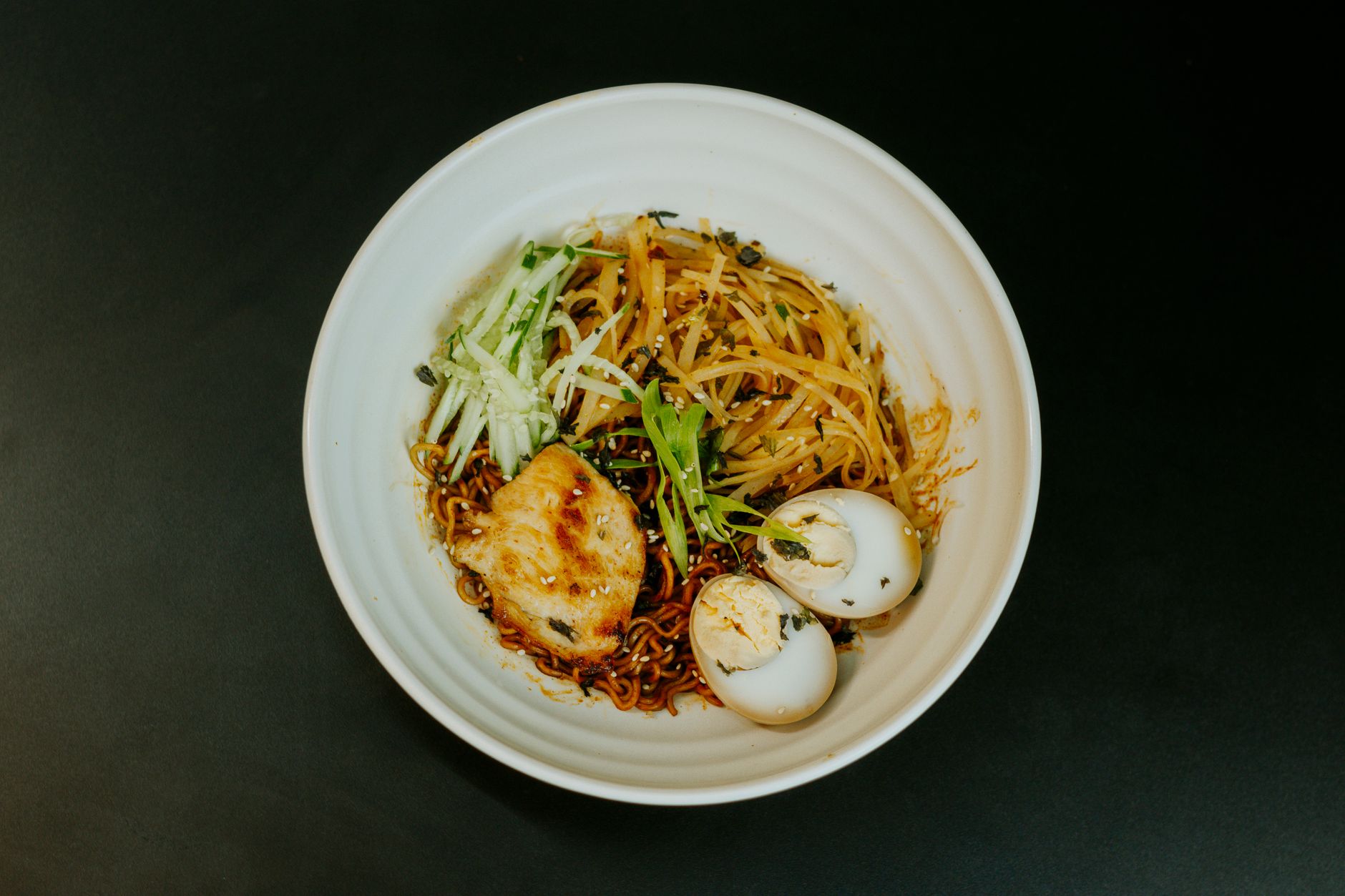
Diabetes management commonly includes careful attention to diet, particularly carbohydrate intake. One frequently asked question is whether individuals with diabetes can enjoy egg noodles, which are a popular staple in various cuisines. This article will delve into the carbohydrate content, nutritional aspects, and possible implications of including egg noodles in a diabetic meal plan.
Egg noodles are made from a combination of eggs and flour, resulting in a distinctive yellow color and firm texture. While they can be part of a balanced diet for people with diabetes, understanding their effects on blood sugar levels and how to incorporate them wisely is essential.
Can Diabetics Eat Egg Noodles?
Yes, diabetics can eat egg noodles, but moderation is key. Egg noodles contain carbohydrates that can raise blood sugar levels. Therefore, portion control and pairing them with other foods that help balance the meal can mitigate their impact on glucose. Planning meals carefully can allow for their enjoyment without compromising blood sugar management.
Nutritional Profile of Egg Noodles
Understanding the nutritional content of egg noodles can help in making informed dietary choices. Here’s a breakdown of typical egg noodles per 100 grams:
- Calories: 138
- Total Fat: 2.6 g
- Carbohydrates: 24.5 g
- Dietary Fiber: 1.4 g
- Sugar: 0.6 g
- Protein: 5.9 g
- Sodium: 5 mg
The carbohydrate content is particularly significant for those managing diabetes, as it influences blood sugar levels directly. The glycemic index (GI) of egg noodles is moderate, which means they can raise blood sugar levels, but they are not as high as some other processed carbohydrates.
Understanding Carbohydrates and Diabetes
Carbohydrates are found in a variety of foods, including grains, fruits, vegetables, and dairy products. When consumed, carbohydrates are broken down into glucose, which is used for energy but can lead to spikes in blood sugar levels, posing challenges for those with diabetes.
It’s essential for individuals with diabetes to monitor their carbohydrate intake, spreading it throughout the day to maintain stable blood sugar levels. In this context, egg noodles can be included in the diet, provided they are factored into the total daily carbohydrate count.
Portion Control and Meal Balancing
When incorporating egg noodles into a meal, portion control is crucial. A serving size is typically around ½ cup of cooked egg noodles, which contains approximately 12 grams of carbohydrates. Here are a few strategies to balance meals effectively:
- Add Protein: Consider pairing egg noodles with protein sources such as chicken, turkey, tofu, or legumes to enhance satiety and stabilize blood sugar levels.
- Increase Fiber: Serve egg noodles with vegetables or a salad to boost fiber content. Fiber slows down digestion and can reduce the overall glycemic impact of the meal.
- Use Healthy Fats: Incorporating healthy fats, such as olive oil or avocado, can further help in stabilizing blood sugar levels.
- Watch Sauces: Be mindful of sauces or toppings that may contain added sugars. Opt for homemade or low-sugar commercial sauces.
Cooking Techniques for Egg Noodles
Cooking egg noodles is straightforward, but using the right techniques can enhance their taste and nutrition. Here are some recommended methods:
Boiling
- Bring a large pot of salted water to a rolling boil.
- Add the egg noodles and stir gently to prevent sticking.
- Cook according to the package instructions, usually around 5-7 minutes, until al dente.
- Drain and rinse with cold water to halt the cooking process.
Stir-Frying
- After boiling, allow the noodles to cool and set aside.
- In a large skillet or wok, heat a small amount of oil over medium heat.
- Add vegetables, protein, and your boiled egg noodles, tossing everything together.
- Add sauces as desired and cook until everything is heated through.
Potential Health Considerations
While egg noodles can fit into a diabetic diet, there are some considerations to keep in mind:
- Moderation is Key: Just because egg noodles can be eaten doesn’t mean they should be consumed in large quantities. Keep servings reasonable.
- Be Mindful of Total Carbs: Always factor in the total daily carbohydrate intake when planning meals.
- Glycemic Variability: Individual responses to carbohydrates vary. Monitor blood glucose levels to understand how egg noodles affect you personally.
Practical Substitutes for Egg Noodles
If you’re looking to reduce carbohydrate intake further, here are some practical substitutes for egg noodles:
- Zucchini Noodles (Zoodles): A low-carb alternative that adds more vegetables to your meal. They can be sautéed or served raw.
- Shirataki Noodles: Made from konjac yam, these noodles are very low in carbohydrates and calories. They can be a suitable alternative for noodle dishes.
- Whole Wheat Noodles: Higher in fiber and nutrients than traditional egg noodles, these can help slow down sugar absorption.
- Spaghetti Squash: When cooked, the flesh of this squash can be scraped into strands resembling spaghetti, offering a delicious and lower-carb alternative.
Recipe Ideas Featuring Egg Noodles
Below are a couple of simple and balanced recipes incorporating egg noodles while promoting overall health.
Egg Noodle Stir-Fry
This quick and easy dish is packed with veggies and protein, making it suitable for a balanced meal.
- Servings: 4
- Prep Time: 10 minutes
- Cook Time: 15 minutes
- Total Time: 25 minutes
Ingredients:
- 8 ounces egg noodles
- 1 tablespoon olive oil
- 2 cups mixed vegetables (broccoli, bell peppers, and carrots)
- 1 cup protein of choice (chicken, shrimp, or tofu)
- 3 tablespoons low-sodium soy sauce
- 1 teaspoon garlic powder
- Ground black pepper to taste
Instructions:
- Begin by boiling the egg noodles according to the package instructions. Drain and set aside.
- In a large skillet, heat olive oil over medium heat. Add protein of choice and cook thoroughly.
- Add mixed vegetables and sauté for about 5 minutes until tender.
- Stir in the cooked egg noodles, soy sauce, garlic powder, and pepper.
- Toss everything together and cook for an additional 2-3 minutes to warm through.
- Serve hot as a nutritious meal.
Creamy Egg Noodle Soup
This comforting soup is a great option for chilly days and incorporates healthy ingredients.
- Servings: 6
- Prep Time: 10 minutes
- Cook Time: 20 minutes
- Total Time: 30 minutes
Ingredients:
- 6 cups low-sodium chicken broth
- 8 ounces egg noodles
- 1 cup chopped carrots
- 1 cup chopped celery
- 1 cup shredded cooked chicken
- 1/2 cup heavy cream or a low-fat alternative
- 1 teaspoon dried thyme
- Salt and pepper to taste
Instructions:
- Bring the chicken broth to a boil in a large pot.
- Add carrots and celery, simmer for about 5 minutes.
- Add the egg noodles, and cook according to package directions until tender.
- Stir in the chicken, cream, thyme, and season with salt and pepper.
- Let simmer for an additional 5 minutes before serving hot.
Storage and Reheating Tips
If you have leftovers, proper storage can help maintain the quality and safety of your meal:
- Store leftovers in an airtight container in the refrigerator for up to three days.
- Reheat on the stovetop over medium heat, adding a splash of water or broth to prevent drying out.
- Avoid microwaving egg noodle dishes as they can become mushy.
Final Thoughts
Incorporating egg noodles into a diabetic meal plan is possible with careful consideration of portion sizes and balancing with nutrient-dense foods. By understanding their nutritional profile and utilizing cooking techniques, diabetics can enjoy this comfort food without compromising their health.
Plan meals that include egg noodles wisely, focusing on moderation and smart ingredient pairings. Adapting favorite recipes or trying new ingredients can make a significant difference in managing diabetes while enjoying various delightful dishes.
For more insights into food ingredients, feel free to check our guides, including what pasta is made of or the details of udon noodles.