
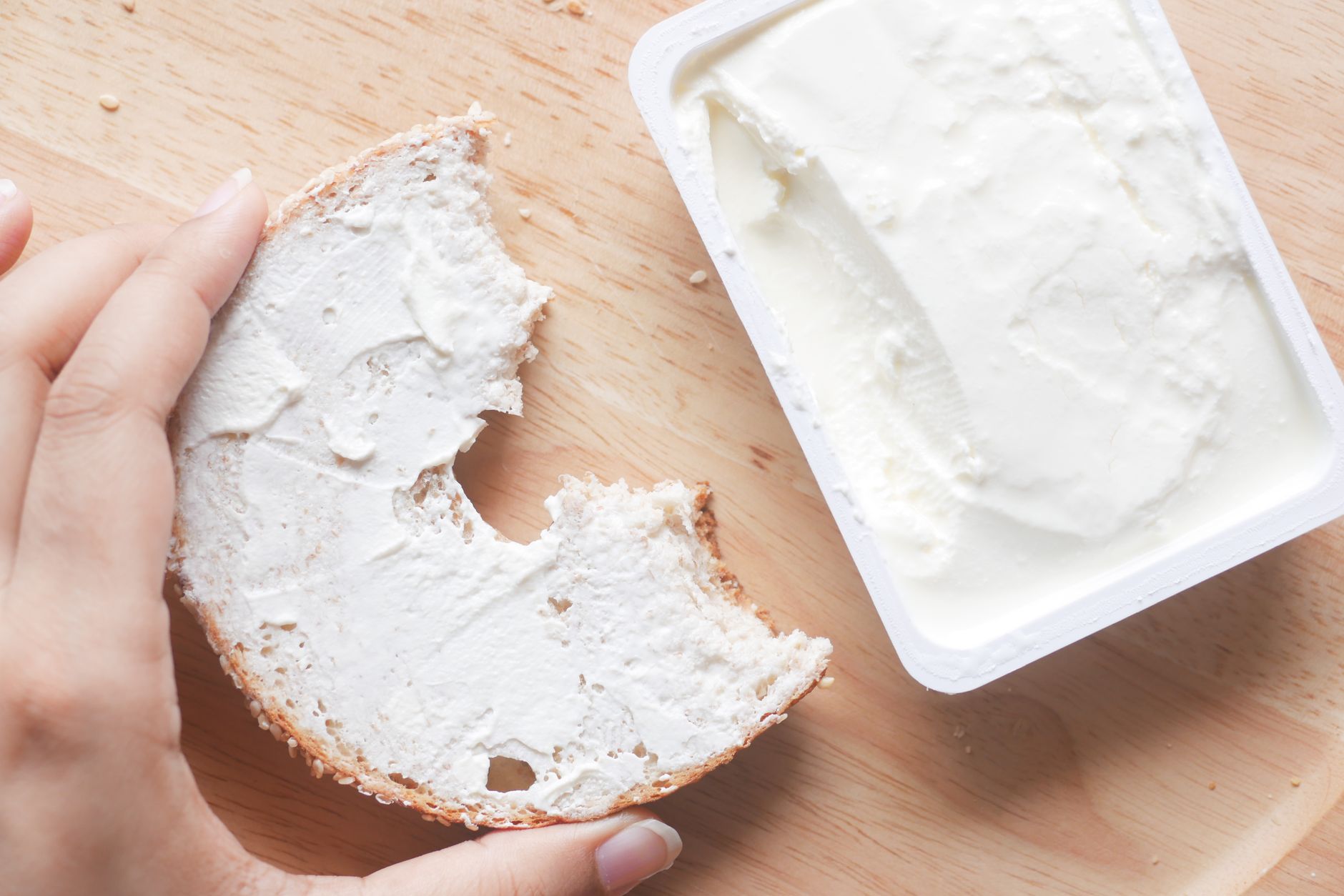
Cream cheese is a popular ingredient known for its creamy texture and mild flavor, often used in both sweet and savory dishes. Its versatility makes it a favorite in many kitchens, but like all dairy products, it’s important to consider storage and freshness to ensure safe consumption.
This article will explore whether cream cheese can go bad, how to store it properly, and the signs of spoilage. Understanding these aspects will help maximize its shelf life and maintain quality in your cooking.
Can Cream Cheese Go Bad?
Yes, cream cheese can go bad. It has a shelf life that varies depending on whether it is opened or unopened, and once it begins to spoil, it will develop signs that should not be ignored. Proper storage is essential to extend its usability.
Understanding Cream Cheese
Cream cheese is a soft, spreadable cheese made from milk and cream. It has a smooth texture, tangy taste, and is often used in recipes such as cheesecakes, frostings, dips, and spreads. It typically contains about 33% fat and has a moisture content that contributes to its rich consistency.
Storage Guidelines for Cream Cheese
To keep cream cheese fresh for as long as possible, proper storage techniques are crucial. Here are essential tips for storing both unopened and opened cream cheese:
- Unopened Cream Cheese: Store it in a cool, dry place, such as the refrigerator. The packaging usually has a “best by” date that can give a general idea of freshness.
- Opened Cream Cheese: Once opened, transfer it to an airtight container if it’s not already in one, or ensure the lid is tightly sealed. This will help prevent it from absorbing any odors from the fridge.
For best results, consume opened cream cheese within 1 to 2 weeks. Always check the expiration date to gauge freshness.
How Long Does Cream Cheese Last?
The shelf life of cream cheese varies based on storage conditions:
| Type | Storage Duration |
|---|---|
| Unopened Cream Cheese | 1-2 months after the “best by” date |
| Opened Cream Cheese | 1-2 weeks in the refrigerator |
| Frozen Cream Cheese | 2 months for best quality |
While freezing cream cheese is an option, note that it may change in texture once thawed. This is ideal for recipes where it’s mixed in, like dips or cheesecakes, but less so for spreads.
Signs of Spoilage in Cream Cheese
Recognizing spoilage is essential for ensuring food safety. Here are common indicators that cream cheese has gone bad:
- Change in Color: Fresh cream cheese is white or pale yellow. If you notice discoloration, especially dark spots or yellowing, it may be spoiled.
- Unpleasant Smell: A sour or off odor is a clear sign of spoilage. Fresh cream cheese has a slightly tangy but pleasant scent.
- Texture Changes: If the cream cheese has become overly watery or has separated, it may be past its prime. A gritty or grainy texture can also indicate spoilage.
- Mold Growth: This is a definitive sign of spoilage. If you see any mold, it is best to discard the entire package, as the spores can spread throughout the product.
What to Do If You Suspect Spoilage?
If you suspect your cream cheese may have spoiled, it’s best to err on the side of caution. Here’s what to do:
- Examine the cream cheese for any signs listed above.
- Smell it to check for any off odors.
- Inspect the texture; if it appears separated or gritty, it’s best to throw it out.
- If you notice mold, discard the entire product without attempting to salvage any part of it.
Food safety is important, and consuming spoiled cream cheese can lead to foodborne illnesses.
Can You Freeze Cream Cheese?
Freezing cream cheese is possible, although it can alter its texture. The moisture content may cause it to become crumbly and less creamy, making it less suited for spreading but still fine for cooking and baking.
To freeze cream cheese, follow these steps:
- Seal the cream cheese securely in its original packaging or transfer it to an airtight container or a freezer-safe bag.
- If you plan to use it in recipes later, consider portioning it out into smaller amounts before freezing.
- Label the container with the date for reference.
When ready to use frozen cream cheese, thaw it in the refrigerator overnight. Re-whipping or mixing can help restore some creaminess for cooking.
Creative Ways to Use Cream Cheese
Cream cheese can be used in a variety of delicious recipes. Here are some ways to incorporate it into your meals:
- Spreads: Mix cream cheese with herbs, garlic, or spices to create a flavorful spread for bagels or crackers.
- Dips: Combine cream cheese with sour cream or yogurt and add your favorite seasonings for a quick dip.
- Cheesecakes: Of course, cream cheese is the star in many cheesecake recipes, contributing to its rich and creamy texture.
- Frostings: Whip cream cheese with powdered sugar and vanilla for a delightful frosting on cakes or cupcakes.
Common Substitutions for Cream Cheese
If you find yourself without cream cheese, several substitutions can work, keeping in mind they may alter flavor and texture:
- Cottage Cheese: Blend cottage cheese until smooth. Use 1:1 as a substitute in savory dishes.
- Greek Yogurt: For a tangy flavor, use plain Greek yogurt as a 1:1 substitute, especially in dips and dressings.
- Crème Fraîche: This can be used in equal amounts as cream cheese for a richer flavor in desserts.
- Tofu: For a dairy-free option, blended silken tofu can replace cream cheese at a 1:1 ratio, suitable for vegan recipes.
Common Mistakes When Using Cream Cheese
Cream cheese is a straightforward ingredient, but there are a few mistakes to avoid:
- Using Cold Cream Cheese: For recipes like cheesecakes, allow cream cheese to come to room temperature to avoid lumps.
- Not Checking Freshness: Always inspect cream cheese before use, especially if it has been stored for a while.
- Overmixing: When making frostings or dips, too much mixing can cause the cream cheese to become grainy. Mix until just combined.
Conclusion
Cream cheese is an incredibly versatile and enjoyable ingredient, but like all dairy products, it can go bad. By following proper storage guidelines, knowing the signs of spoilage, and exploring creative uses, you can make the most of this ingredient in your kitchen.
Whether you’re preparing a cheesecake or a savory dip, ensure your cream cheese is fresh for the best results. Check your inventory regularly and feel free to freeze any excess that you may not use immediately.
Explore more recipes like cream cheese rangoon and cream cheese mints for delightful dishes featuring this wonderful ingredient!