
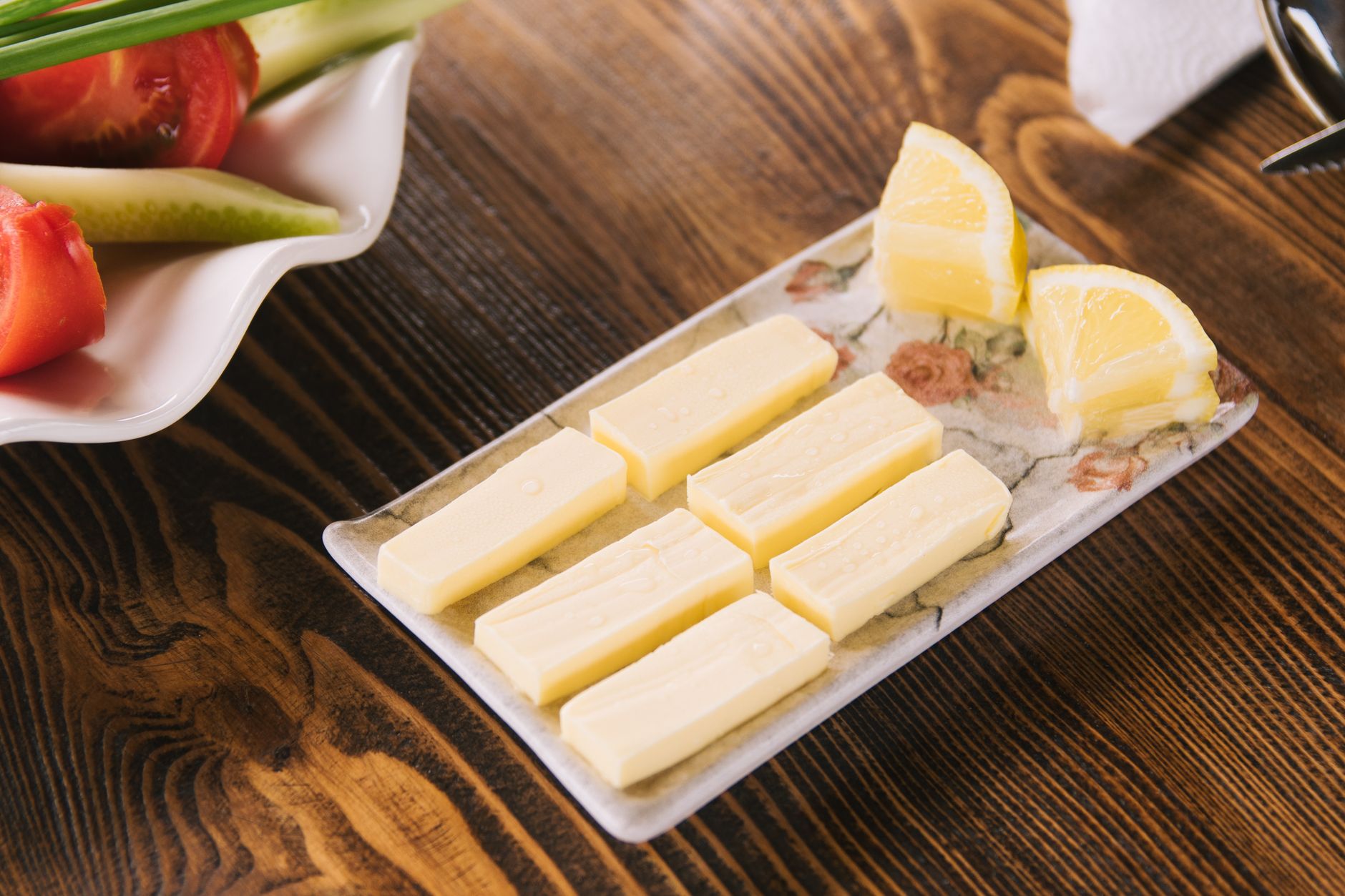
Butter is a staple ingredient in many kitchens, appreciated for its rich flavor and versatility in cooking and baking. However, like all food items, butter has a shelf life and can go bad if not stored properly. Understanding how to store butter and recognizing signs of spoilage is essential for maintaining its quality and safety.
This article will explore whether butter can go bad, how to recognize spoiled butter, the factors affecting its shelf life, and tips for proper storage to extend its freshness. We’ll also cover various types of butter, including salted and unsalted, and examine alternatives like ghee and clarified butter.
Can Butter Go Bad?
Yes, butter can go bad. It can develop off-flavors or rancidity over time, primarily due to exposure to light, air, and moisture. While butter has a relatively long shelf life, whether it it goes bad depends on the type and storage conditions.
Understanding Butter Types
Before delving into spoilage details, it’s essential to understand the different types of butter.
- Salted Butter: Contains salt, which acts as a preservative and can extend its shelf life.
- Unsalted Butter: Fresh cream without added salt. It tends to spoil faster than salted butter due to the absence of preservatives.
- Clarified Butter: Made by removing the milk solids and water, leaving behind pure butterfat, which has a longer shelf life.
- Ghee: A type of clarified butter with a nutty flavor and higher smoke point, ghee can also last longer than regular butter when stored properly.
Factors Affecting Butter Shelf Life
The shelf life of butter depends on several factors, including the type of butter, how it’s packaged, and the storage conditions. Here’s a closer look at these factors:
1. Type of Butter
As mentioned earlier, salted butter has a longer shelf life than unsalted butter. Salt inhibits bacterial growth, leading to a slower spoilage process.
2. Packaging
Butter should be kept in its original packaging, which is typically paper or foil. This packaging helps protect it from light and moisture, both of which can accelerate spoilage.
3. Storage Conditions
Where you store your butter significantly impacts its freshness. Once opened, butter should be kept in a cool, dark place, such as the refrigerator. Butter can also be safely stored at room temperature for short periods, particularly salted butter, but it should be kept in a butter dish with a lid.
Signs That Butter Has Gone Bad
Recognizing the signs of spoiled butter can help you avoid using a bad product, which could affect your cooking and baking efforts. Here are key indicators to watch for:
1. Smell
If your butter has a sour, rancid, or off smell, it is likely spoiled. Fresh butter has a creamy, pleasant aroma.
2. Color
Fresh butter should have a consistent golden yellow color. If you notice spots of discoloration or it turns grayish, discard it.
3. Texture
Butter should feel smooth and creamy. If it becomes grainy or clumpy, it’s a sign that it may be going bad.
4. Taste
Before using butter in cooking or baking, take a small taste. If it tastes off, rancid, or sour, it’s best to throw it away.
How Long Does Butter Last?
The shelf life of butter varies based on its type and storage conditions:
| Type of Butter | Storage at Room Temperature | Refrigerator | Freezer |
|---|---|---|---|
| Salted Butter | 1 to 2 weeks | 6 to 9 months | 1 year |
| Unsalted Butter | 1 to 2 days | 4 to 6 months | 1 year |
| Clarified Butter | N/A | 6 months | Up to 1 year |
| Ghee | N/A | 6 to 12 months | Up to 1 year |
These estimates apply to unopened packages. Once opened, the shelf life can shorten, especially for unsalted varieties.
Proper Storage Tips for Butter
To prolong the life of your butter, consider these storage tips:
1. Refrigeration
Keep butter refrigerated to maintain its freshness. Seal it in an airtight container, or wrap it tightly in plastic wrap or foil to protect it from air and moisture.
2. Freezing
If you need to store butter for an extended period, consider freezing it. Portions of butter can be wrapped tightly and placed in a freezer-safe bag or container. Label with the date to track its freshness.
3. Avoid Frequent Temperature Changes
Consistent temperature helps maintain the butter’s quality. Avoid taking it in and out of the refrigerator frequently.
4. Butterfly Dish
If you use butter frequently, a covered butter dish can keep it at room temperature for a few days. Just remember not to leave it out for too long.
What Happens When Butter Goes Bad?
When butter goes bad, it can lead to rancidity, which occurs when fats deteriorate due to exposure to oxygen. This results in unpleasant flavors and aromas and can also affect the taste and quality of dishes where butter is used.
1. Rancidity
Rancid butter has a distinct, undesirable odor and taste. This not only makes it unsuitable for cooking but can also potentially cause digestive issues if ingested.
2. Mold Growth
If butter is exposed to moisture, mold may start to grow. In this case, it is essential to discard the butter entirely rather than trying to scrape off the mold, as harmful bacteria could have penetrated deeper.
3. Nutritional Degradation
As butter goes bad, its nutritional content may diminish. Fresh butter contains beneficial nutrients, including vitamins A, D, and E, which can degrade over time.
Butter Substitutes and Alternatives
If you find yourself with spoiled butter or run out, there are several alternatives you can use in cooking and baking. Here are some effective substitutes:
- Olive Oil: A suitable replacement for sautéing or drizzling; it adds a different flavor
- Coconut Oil: Offers a similar fat content and is great in baking, imparting a slight coconut flavor
- Applesauce: Works well in baking recipes to replace butter for a lower-fat alternative
- Yogurt: A good substitute in baking recipes, providing moisture while lowering the fat content
- Ghee: A great replacement for high-heat cooking, adding a nutty flavor without compromising on richness
When substituting butter in recipes, adjustments may be needed regarding measurements and cooking times, especially for liquid substitutes.
Cooking and Baking with Butter
Fresh butter enhances the flavor and texture of various dishes. Here are some popular uses:
1. Baking
Butter contributes to the tenderness and flavor of baked goods, providing richness. It can create flaky layers in pastries or act as a moistening agent in cakes.
2. Sautéing
Butter is commonly used for sautéing vegetables, proteins, or making sauces. It adds depth and enhances flavors when cooked with aromatics like garlic and herbs.
3. Sauces
Many classic sauces, such as beurre blanc or hollandaise, rely on butter as a key ingredient, lending a luxurious mouthfeel and flavor.
4. Spreading
Simply spreading butter on bread, rolls, or biscuits is a favorite way to enjoy it. It adds a rich, creamy aspect that enhances the overall flavor profile.
Conclusion
Butter can go bad, but understanding how to store it properly and recognizing the signs of spoilage can help you enjoy its deliciousness for longer. By following the storage tips outlined in this article, you can extend the freshness of your butter, ensuring it remains a functional ingredient in your kitchen.
For more cooking tips about butter and its alternatives, explore our guides on ghee storage and learn how to make clarified butter.