
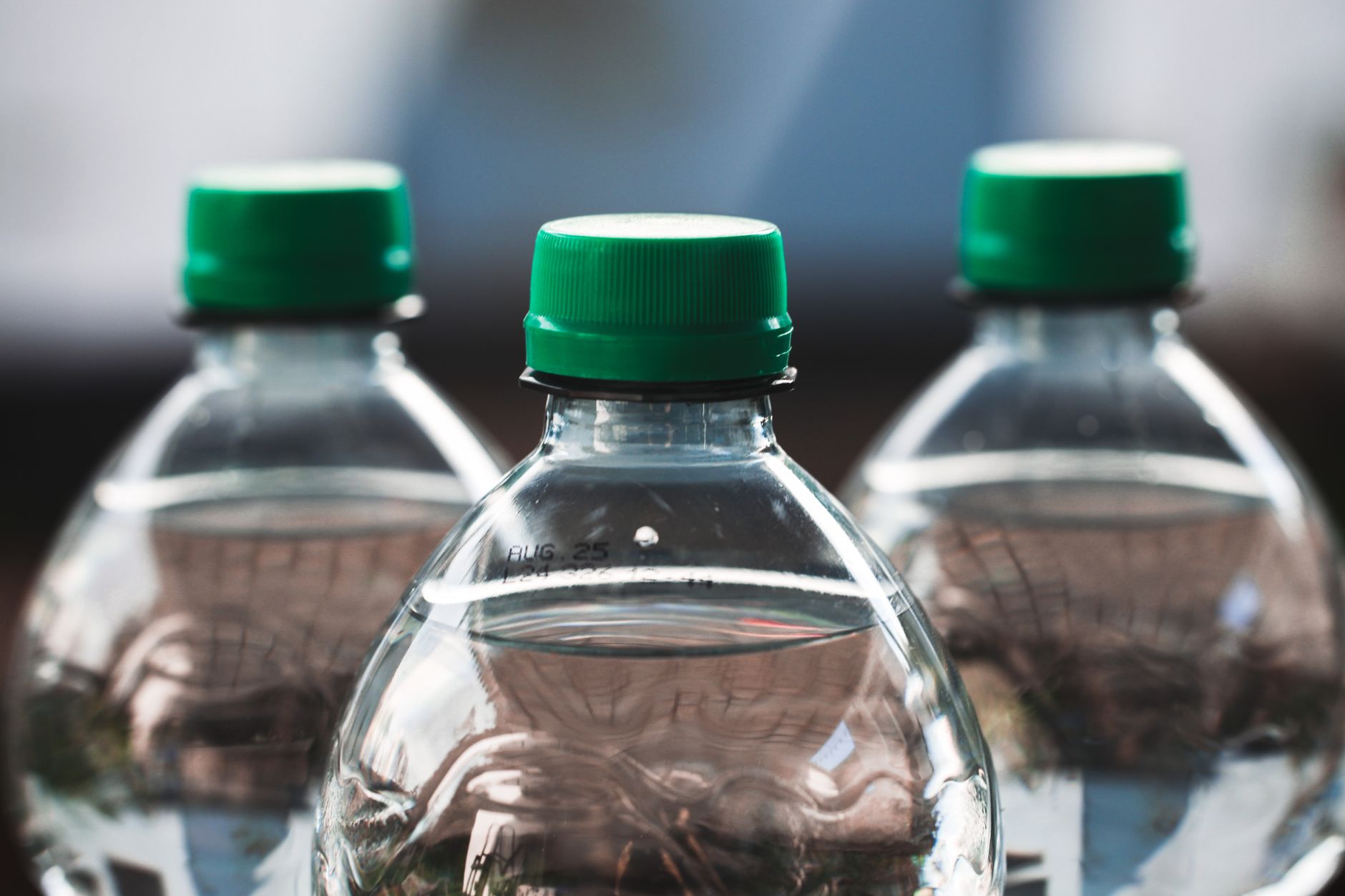
Bottled water is a staple in many households, providing a convenient way to stay hydrated. But have you ever wondered if bottled water can go bad? This article explores the shelf life of bottled water, storage recommendations, and signs of spoilage to ensure you’re drinking safe and refreshing water.
While bottled water can often last longer than many other beverages, understanding its potential spoilage is key to maintaining both flavor and safety. Join us as we delve into how long bottled water lasts, proper storage methods, and details to identify if your bottled water has gone off.
Can Bottle Water Go Bad?
Yes, bottled water can go bad. While it does not spoil in the traditional sense like food does, factors like storage conditions and the type of bottle can influence its safety and taste. Typically, bottled water has a shelf life of about 1 to 2 years when stored correctly, but this can vary based on the type of water and packaging.
Understanding Bottled Water
Bottled water is available in various types, each with specific characteristics:
- Spring Water: Sourced from natural springs, often contains minerals that can affect taste.
- Purified Water: Treated water, usually from tap sources, purified to remove contaminants.
- Mineral Water: Contains naturally occurring minerals, often carbonated.
- Distilled Water: Boiled to remove impurities, leaving it relatively flat in taste.
The characteristics of each type of water can influence how it is perceived in terms of flavor and potential spoilage.
How Long Does Bottled Water Last?
The shelf life of bottled water can depend on several factors. Here is a general guideline:
- Unopened Bottles: Typically last 1–2 years. Water doesn’t expire, but the plastic can start to degrade, affecting the water’s taste and safety.
- Opened Bottles: Best consumed within 3–5 days, especially if kept at room temperature. If refrigerated, it can last longer, generally up to a week.
Manufacturers often stamp expiration dates on bottles, which refers to the packaging rather than the water itself. Always check the condition of the bottle as well.
Proper Storage Methods for Bottled Water
To maximize the shelf life of your bottled water, consider these storage tips:
- Keep in a Cool, Dark Place: Store water away from direct sunlight and heat sources, as UV light and high temperatures can cause the plastic to degrade, which might leach chemicals into the water.
- Avoid Fluoride and Strong Odors: Keep the water away from household cleaners or any strong-smelling items, as they can affect the taste of the water through the plastic.
- Check Seals: Ensure the caps are tightly sealed to prevent contamination and keep the water fresh.
Signs That Bottled Water Has Gone Bad
While bottled water doesn’t spoil as food does, there are signs that can indicate it’s no longer safe or pleasant to drink:
- Smell: If it has an unusual or chemical odor, it may be a sign of contamination—do not consume it.
- Color Changes: Clear water becoming cloudy or exhibiting unusual colors can indicate bacterial growth or leached chemicals.
- Presence of Sediment: Particles or sediment in the water can imply contamination; it’s best to err on the side of caution.
- Bottle Integrity: Bulging containers or damaged bottles can indicate degradation of the plastic, leading to potential leachates. If the integrity of the bottle is compromised, discard the water.
Impact of Plastic on Bottled Water
The type of plastic used can also impact how bottled water is stored and its longevity. Most bottled waters are stored in polyethylene terephthalate (PET) or high-density polyethylene (HDPE) plastics. Here’s how they can affect your water:
- PET (Polyethylene Terephthalate): Generally considered safe for storing water, but prolonged exposure to heat can lead to chemical leaching.
- HDPE (High-Density Polyethylene): Stronger and more resistant to leaching, making it a good option for longer storage.
Some bottles are made with BPA (Bisphenol A), which has raised concerns due to its potential health risks. Look for BPA-free labeling when purchasing bottled water.
How to Safely Reuse Bottled Water Containers
If you’re considering reusing bottled water containers, follow these guidelines to ensure safety:
- Clean Thoroughly: Wash the bottle with soapy water and rinse well. This helps remove any contaminants.
- Limit Light Exposure: Store reused bottles in dark places and away from heat sources.
- Check for Wear: Inspect for cracks or cloudiness that could indicate material breakdown and replace if necessary.
Do Different Types of Bottled Water Last Longer?
Different types of bottled water do have varying shelf lives due to their composition:
- Mineral Water: Typically has a shorter shelf life due to higher mineral content that can interact with bottle materials over time.
- Spring Water: May hold its quality well for about two years, especially if well-sourced.
- Purified Water: Often lasts longer, as it gets treated with processes that eliminate most impurities.
If unsure about a specific water product, check the label for guidance on shelf life.
Environmental Considerations for Bottled Water
Bottled water consumption has raised environmental concerns, particularly regarding plastic waste. Consider these options to lessen your footprint:
- Opt for Reusable Water Bottles: Instead of buying bottled water, invest in a high-quality reusable water bottle.
- Use Water Filters: Install filters to access clean drinking water from your tap rather than relying on bottled options.
- Recycle Bottles: If you do use bottled water, always recycle the bottles according to local guidelines.
Frequently Asked Questions
Can you drink bottled water after the expiration date?
Yes, bottled water can be safe to drink after its expiration date as long as the bottle is properly stored and shows no signs of contamination. However, the taste may not be as fresh.
What happens if I drink expired bottled water?
While drinking expired bottled water is unlikely to harm you, it may not taste good. Check for any unusual odor, color, or sediment before consumption.
How can I tell if bottled water is bad?
Signs of bad bottled water include an odd smell, cloudy appearance, presence of sediment, or compromised bottle integrity. When in doubt, it’s safest not to consume it.
Conclusion
Bottled water can have a long shelf life but proper storage is crucial to ensure its safety and quality. By following the guidelines provided and remaining aware of potential spoilage signs, you can enjoy refreshing hydration straight from the bottle. Become proactive about your hydration habits, and consider options that not only prioritize your health but also the environment.
For more information on food safety, explore related topics like whether chia seeds go bad or find out the best bottled water to drink.