
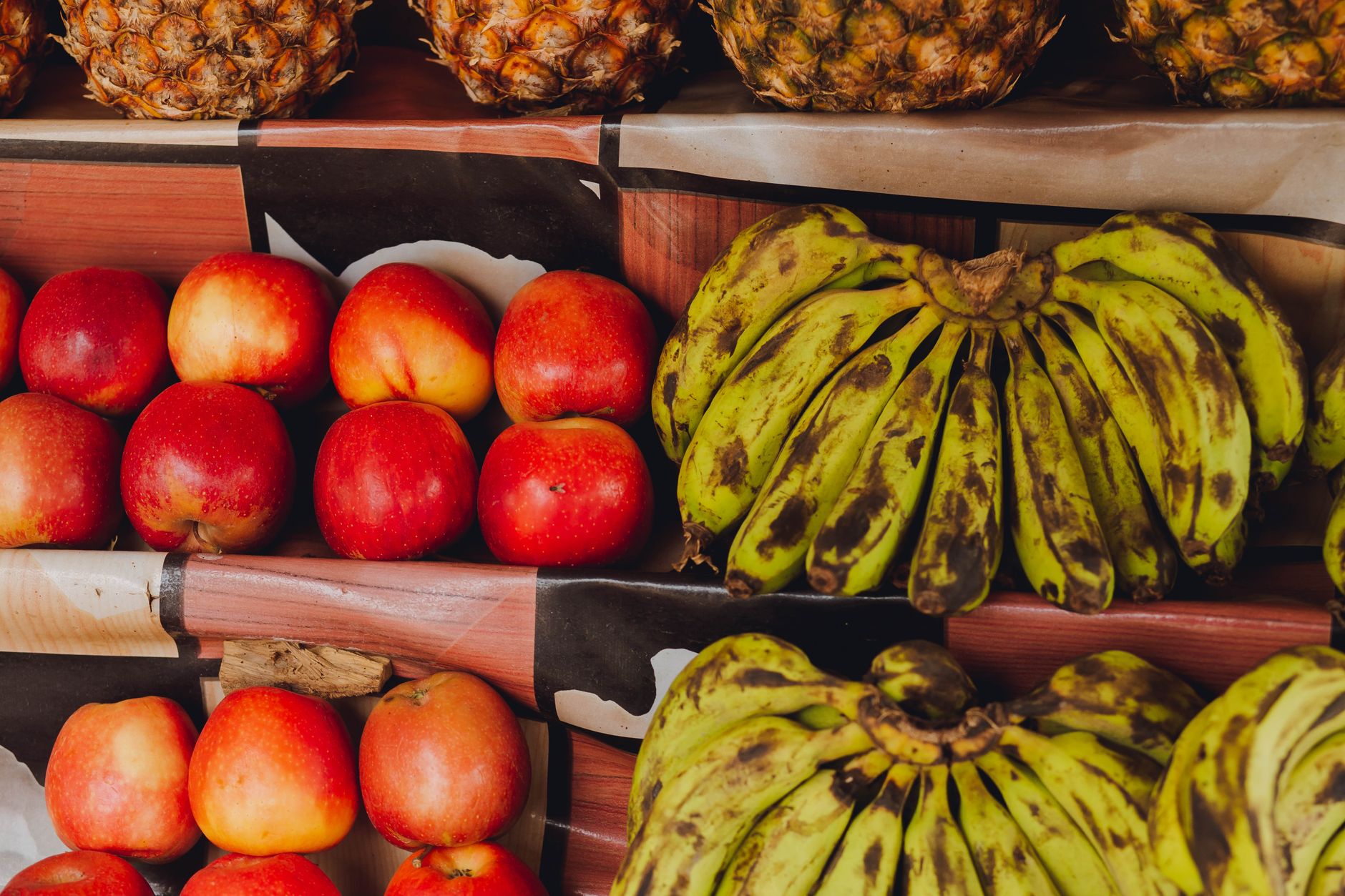
When it comes to organizing your kitchen and maximizing the freshness of your fruits, understanding the best storage practices is essential. One common question that arises is whether apples and bananas can be stored together. In this guide, we will explore the factors influencing the storage of these two popular fruits, their ripening processes, and the best practices for keeping them fresh.
Apples and bananas differ in their ethylene production, a natural gas that affects the ripening of fruits. This article will help you make informed decisions about storing these fruits efficiently and maintaining their flavor and texture.
Can Apples and Bananas Be Stored Together?
Apples and bananas should generally not be stored together due to the difference in their ethylene gas production and sensitivity. Apples produce ethylene gas, which can speed up the ripening process of bananas. When stored together, bananas may ripen too quickly, resulting in a texture and flavor that can become unappetizing. To maintain the quality of both fruits, it is best to store them separately.
Understanding Ethylene Gas and Its Effects on Ripening
Ethylene gas is a plant hormone that plays a significant role in the ripening of many fruits. Some fruits, like apples, produce large amounts of ethylene, while others, like bananas, are sensitive to it. Here’s why this imbalance matters:
- Apples: They are classified as climacteric fruits, meaning they continue to ripen after being harvested. Apples produce ethylene gas, which helps them ripen and develop flavor.
- Bananas: Bananas also fall into the climacteric category, but they are particularly prone to rapid ripening when exposed to ethylene. Once ripe, bananas deteriorate quickly, losing their appealing texture and sweetness.
When apples and bananas are stored together, the ethylene from apples can accelerate the ripening process of bananas, leading to overripe fruit within a few days. This is especially problematic if you prefer your bananas to be firm and less sweet.
Best Practices for Storing Apples
To keep apples fresh, consider the following storage guidelines:
- Temperature: Apples are best stored in a cool, dark place. Ideally, they should be kept at temperatures between 30°F and 40°F (-1°C to 4°C). The refrigerator is often the best storage spot.
- Humidity: Apples thrive in high humidity. Store them in a plastic bag with small holes or in a crisper drawer to maintain moisture levels.
- Separation: Keep apples away from other produce, particularly those sensitive to ethylene gas. This will help prolong their freshness.
- Checking for Spoilage: Regularly inspect your apples for bruising or spoilage. Remove any damaged fruit to prevent it from affecting the others.
Best Practices for Storing Bananas
To ensure bananas stay fresh for as long as possible, follow these tips:
- Temperature: Bananas are best stored at room temperature. Cooler temperatures can hinder their ripening and flavor development.
- Avoid Refrigeration: Refrigerating bananas can cause the skin to darken and develop an unattractive appearance, although the fruit inside may remain fine.
- Hang When Possible: Hanging bananas on a banana hanger keeps them from bruising and allows air circulation around the fruit.
- Ripeness Monitoring: Keep an eye on your bananas. If they become overly ripe, consider using them in recipes such as smoothies or banana bread.
When Can Apples and Bananas Be Stored Together?
While it’s generally advised to keep apples and bananas separate, there are a few instances where you can store them together without significant consequences:
- Short-Term Storage: If you plan to consume the fruit shortly after purchasing, storing them together for a brief period (a day or two) may not drastically affect their quality.
- Monitoring Ripeness: If you have unripe bananas and want them to ripen quickly, placing them in proximity to apples for a short time can help. However, be prepared to separate them once the bananas reach your desired ripeness.
Eating the Two Fruit Together
Both apples and bananas are delicious and nutritious on their own, but they can also be enjoyed together in various dishes or snacks. Here are some ideas:
- Smoothies: Blend apples and bananas together for a delicious, naturally sweet drink. Adding yogurt or spinach enhances the nutrition.
- Fruit Salads: Toss diced apples and bananas into a fruit salad for a variety of flavors and textures.
- Breakfast Bowls: Slice both fruits and add them to oatmeal, yogurt, or granola for a healthy breakfast.
Common Mistakes to Avoid When Storing Fruits
When it comes to fruit storage, several common mistakes can compromise freshness:
- Skipping Regular Checks: Not checking fruits regularly can lead to unnoticed spoilage or bruising.
- Overcrowding Storage Areas: Overpacking fruit can lead to pressure and bruising, impacting ripeness and flavor.
- Ignoring Produce Labels: Misunderstanding produce labels can lead to confusion about storage needs and ripening processes.
Conclusion
In summary, apples and bananas should ideally be stored apart to maintain the quality of both fruits. Apples produce ethylene gas, which can hasten the ripening process of bananas if stored together. By following the recommended storage practices for each fruit, you can enjoy them at their best. If you’re looking for ways to use these fruits together, consider incorporating them into smoothies, salads, or breakfast dishes.
For more great information, explore where bananas come from or learn how to make delicious banana bread.