
Imagine walking into a cozy kitchen filled with the warm, sweet aroma of freshly baked bread pudding. This classic dessert is not just a delightful treat but also a fantastic way to use up leftover bread, making it a true hero in the world of sweets. With its rich custard base and comforting texture, this recipe is a crowd-pleaser that’s easy to make and even easier to enjoy. Whether you serve it warm with a drizzle of caramel sauce or chilled with a scoop of ice cream, the flavors will transport you to your grandmother’s kitchen. Ready to whip up this nostalgic dessert? Let’s dive into the details!
Why You’ll Love This Recipe
This bread pudding recipe combines simplicity with indulgence, making it perfect for any occasion.
- Utilizes leftover bread, minimizing waste.
- Rich, creamy texture with a hint of vanilla.
- Versatile; can be customized with your favorite add-ins.
- Comforting and satisfying, ideal for cozy evenings.
- Easy enough for beginner bakers to master.
My Experience Making This Recipe
The first time I made this bread pudding, I was amazed at how something so simple could taste so decadent. The crunchy top combined with the soft, custardy center was a texture dream that left everyone asking for seconds.
As it baked, the kitchen filled with a warm, inviting scent that felt like a hug in a bowl. I served it at a family gathering, and it quickly disappeared, proving that this dish is a timeless favorite.
Recipe Overview
- Recipe Name: Bread Pudding
- Servings: 8
- Prep Time: 15 minutes
- Cook Time: 45 minutes
- Total Time: 1 hour
- Course: Dessert
- Cuisine: American
- Calories per Serving: 250
Equipment You Will Need
- Large mixing bowl
- Whisk
- 9×13 inch baking dish
- Measuring cups and spoons
- Oven
Ingredients for Bread Pudding
- 6 cups of stale bread, cubed
- 2 cups of milk
- 1 cup of heavy cream
- 4 large eggs
- 1 cup of granulated sugar
- 2 teaspoons of vanilla extract
- 1 teaspoon of ground cinnamon
- 1/4 teaspoon of salt
- 1/2 cup of raisins (optional)
Ingredient Notes and Substitutions
- Stale bread: Provides the best texture and absorbs the custard well. Fresh bread can be used but will result in a softer pudding.
- Milk: Adds creaminess to the custard. Almond milk or oat milk can be substituted for a dairy-free option.
- Heavy cream: Creates a rich custard. Half-and-half or whole milk can be used for a lighter version.
- Granulated sugar: Sweetens the dish. Brown sugar can replace it for a deeper flavor.
- Raisins: Adds a chewy texture and sweetness. Feel free to swap with chocolate chips or nuts.
How to Make Bread Pudding
Step 1: Preheat the Oven
Begin by preheating your oven to 350°F (175°C). This ensures even cooking and helps your pudding rise beautifully.
Step 2: Prepare the Baking Dish
Grease your 9×13 inch baking dish with butter or cooking spray. This prevents the pudding from sticking and makes for easy serving.
Step 3: Combine the Bread and Raisins
In a large mixing bowl, combine the cubed stale bread and raisins if using. This allows the bread to absorb the flavors as they meld together.
Step 4: Make the Custard Mixture
In another bowl, whisk together the milk, cream, eggs, sugar, vanilla, cinnamon, and salt until smooth. This rich custard is what makes the bread pudding so delicious.
Step 5: Pour the Custard Over the Bread
Carefully pour the custard mixture over the bread cubes. Gently press down on the bread to ensure it absorbs the liquid and gets a good soak.
Step 6: Let It Sit
Allow the mixture to sit for about 10 minutes. This gives the bread time to soak up the custard, creating a moist texture.
Step 7: Bake the Pudding
Place the baking dish in the preheated oven and bake for 45 minutes. The top should be golden brown, and a toothpick inserted in the center should come out clean.
Step 8: Cool and Serve
Once baked, remove the pudding from the oven and let it cool slightly. Serve warm, perhaps with a drizzle of caramel sauce or a scoop of ice cream.
Pro Tip: For an extra layer of flavor, try adding a splash of bourbon or rum to the custard mixture.
Tips for the Best Bread Pudding
- Use stale bread for the best texture; fresh bread can become too mushy.
- Experiment with different types of bread, such as brioche or challah, for unique flavors.
- Let the pudding cool slightly before serving to help it set.
- Add nuts for a delightful crunch; pecans or walnuts work great.
- Top with whipped cream for an indulgent finish.
Common Mistakes to Avoid
- Not allowing the bread to soak long enough; this can lead to dry pudding.
- Using too much sugar; it can overpower the other flavors.
- Skipping the buttering of the dish; it may stick and ruin the presentation.
- Overbaking; this makes the pudding rubbery instead of creamy.
Serving Suggestions
This bread pudding shines on its own, but pairing it can elevate the experience even more.
- Serve with a drizzle of warm caramel sauce.
- Top with vanilla ice cream for a delightful contrast.
- Accompany with fresh berries for a burst of freshness.
- Pair with a dollop of whipped cream for added richness.
Variations to Try
- Add chocolate chips for a sweet twist that chocolate lovers will adore.
- Incorporate seasonal fruits like apples or pears for a fruity note.
- Use flavored bread, such as cinnamon raisin, for added depth.
- Try different spices like nutmeg for a warm, spiced flavor.
Dietary Adaptations
- Gluten-free: Use gluten-free bread for a suitable alternative.
- Dairy-free: Almond milk and coconut cream make great substitutes.
- Vegan: Use plant-based eggs or flax eggs in place of regular eggs.
- Low-carb/Keto: Use low-carb bread and a sugar substitute for a keto-friendly option.
Storage and Reheating
Refrigerator
Store any leftovers in an airtight container in the refrigerator for up to 3 days.
- Reheat portions in the microwave for a quick treat.
- Warm it in the oven for a crustier texture.
Freezer
This bread pudding can be frozen for up to 2 months.
- Wrap it tightly in plastic wrap and store in a freezer-safe container.
- Thaw overnight in the refrigerator before reheating.
Reheating
Reheat in the oven at 350°F (175°C) until warmed through.
- Cover with foil to prevent over-browning.
- Microwave in short intervals for convenience.
Nutrition Information
| Nutrient | Amount |
|---|---|
| Calories | 250 |
| Total Fat | 10g |
| Saturated Fat | 5g |
| Carbohydrates | 35g |
| Fiber | 1g |
| Sugar | 15g |
| Protein | 6g |
| Sodium | 200mg |
| Cholesterol | 100mg |
This information is approximate and can vary based on specific ingredients used.
Frequently Asked Questions
Can I make this bread pudding ahead of time?
Absolutely! You can prepare it the night before and bake it just before serving.
What should I do if my bread pudding is too dry?
If your pudding is dry, it may have been overbaked. You can also add a drizzle of cream or milk before serving for moisture.
Can I use different types of bread?
Yes! Feel free to experiment with various types of bread for different flavors and textures.
How do I store leftovers?
Keep leftovers in the refrigerator in an airtight container for up to three days.
Can I freeze bread pudding?
Yes, it freezes well for up to two months. Just make sure to wrap it tightly.
Final Thoughts
Bread pudding is a delightful way to savor old bread while creating something truly special. I hope you enjoy making this comforting dessert as much as I do.
Don’t forget to explore more delicious recipes like cornbread pudding to add to your dessert repertoire!
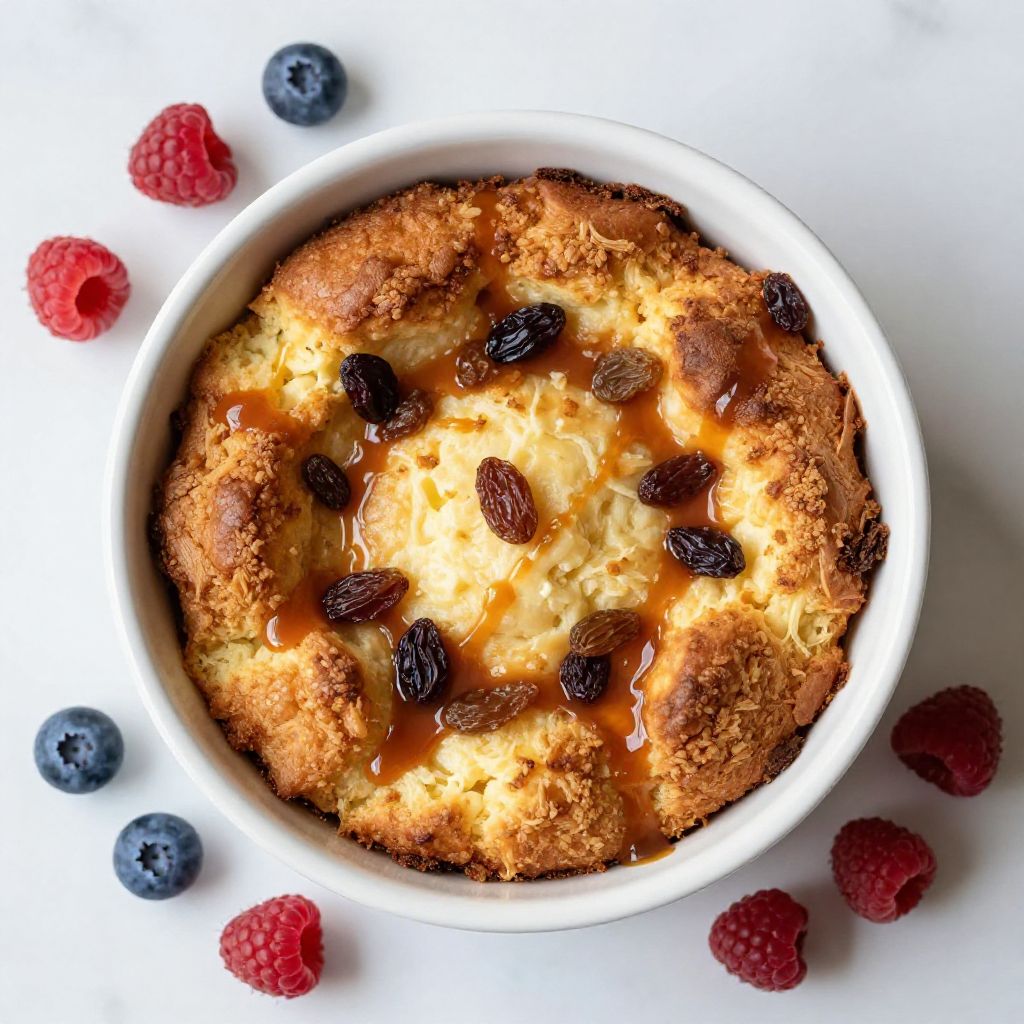
Bread Pudding
Ingredients
Equipment
Method
- Preheat the oven to 350°F (175°C).
- Grease a 9x13 inch baking dish with butter or cooking spray.
- In a large mixing bowl, combine the cubed stale bread and raisins (if using).
- In another bowl, whisk together the milk, heavy cream, eggs, granulated sugar, vanilla extract, ground cinnamon, and salt until smooth.
- Pour the custard mixture over the bread cubes, pressing down gently to help absorb the liquid.
- Let the mixture sit for 10 minutes to allow the bread to soak up the custard.
- Bake for 45 minutes, or until the top is golden brown and a toothpick inserted in the center comes out clean.
- Remove from the oven and let cool slightly before serving.