
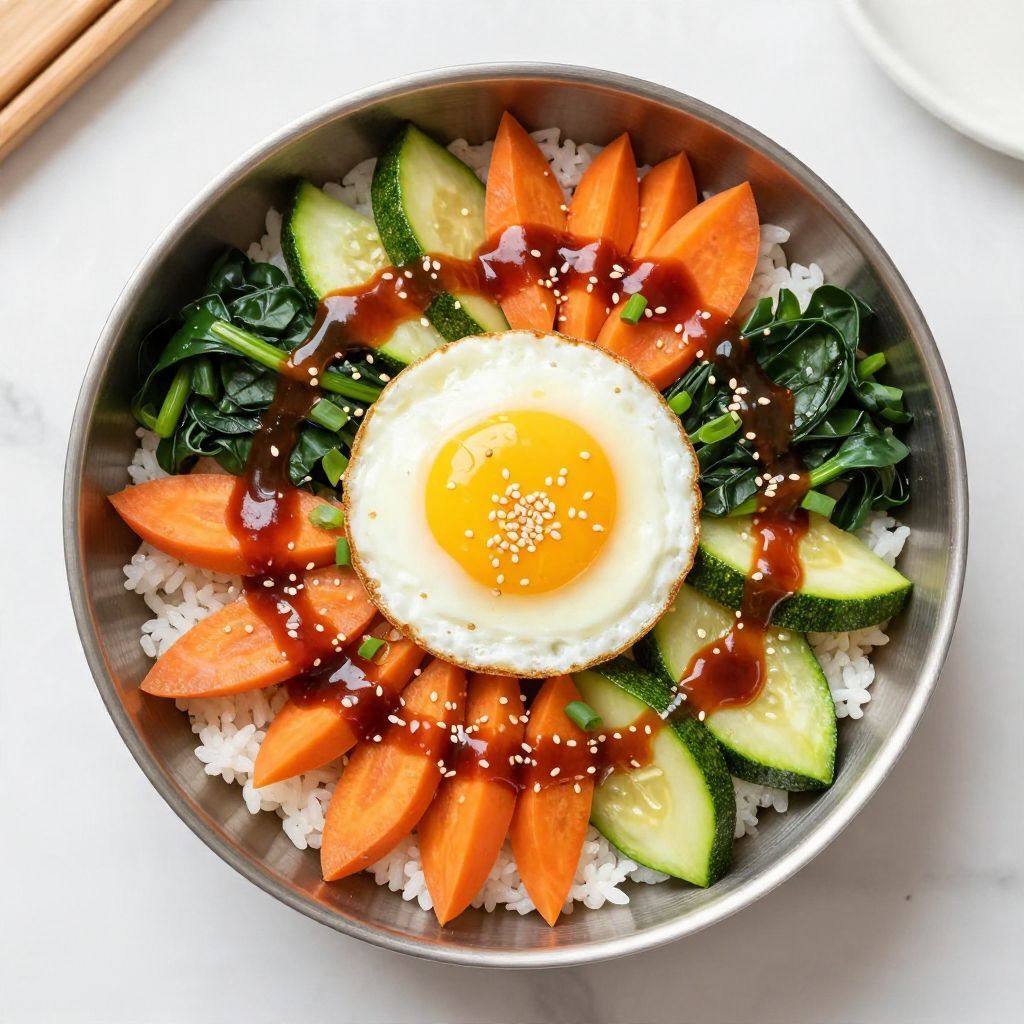
Picture this: a vibrant bowl filled with colorful vegetables, warm rice, and a punchy sauce that ties everything together. The Bibimbap Sauce is the star of this Korean dish, delivering a delightful balance of spicy, sweet, and savory flavors that will make your taste buds dance with joy. This sauce is not just a condiment; it is the soul of the dish, adding depth and character to every bite. With its versatility, you can enhance a variety of meals, from rice bowls to grilled meats. Let’s get into how you can whip up this delectable sauce at home!
Why You’ll Love This Recipe
This Bibimbap Sauce is a must-try for anyone who enjoys bold flavors and easy meals. Here are a few reasons why you’ll adore this recipe:
- Quick to prepare in under 10 minutes.
- Perfect balance of heat and sweetness.
- Versatile enough to use on various dishes.
- Made with simple, pantry-friendly ingredients.
- Elevates any meal to a gourmet experience.
My Experience Making This Recipe
The first time I made this sauce, I was amazed by how a few simple ingredients transformed my dinner. The aroma of the sesame oil combined with the spice of gochujang immediately filled my kitchen, creating an irresistible allure.
When I drizzled the finished sauce over my bibimbap, the vibrant colors of the vegetables and rice exploded with flavor. Everyone at the table couldn’t get enough, and I was left feeling like a culinary rock star!
Recipe Overview
- Recipe Name: Bibimbap Sauce
- Servings: 4
- Prep Time: 10 minutes
- Cook Time: 0 minutes
- Total Time: 10 minutes
- Course: Sauce
- Cuisine: Korean
- Calories per Serving: 90
Equipment You Will Need
- Mixing bowl
- Whisk or fork
- Measuring spoons
- Storage container
Ingredients for Bibimbap Sauce
- 2 tablespoons gochujang (Korean chili paste)
- 1 tablespoon soy sauce
- 1 tablespoon sesame oil
- 1 teaspoon sugar
- 1 teaspoon rice vinegar
- 1 teaspoon minced garlic
- 1 teaspoon sesame seeds (optional)
Ingredient Notes and Substitutions
- Gochujang: This is the key ingredient for that signature kick. If unavailable, try using sriracha but expect a different flavor profile.
- Soy sauce: Adds saltiness and depth. A gluten-free option like tamari works well.
- Sesame oil: Imparts a nutty aroma. You can substitute with olive oil for a lighter taste.
- Sugar: Balances the heat. Maple syrup can be a great alternative.
- Rice vinegar: This brightens the sauce. Apple cider vinegar will do in a pinch.
How to Make Bibimbap Sauce
Step 1: Gather Your Ingredients
Start by measuring out all your ingredients. Having everything ready makes mixing much easier and helps avoid any last-minute scrambling.
Step 2: Combine the Base Ingredients
In a mixing bowl, add the gochujang, soy sauce, and sesame oil. These ingredients are the heart of your sauce, providing the unique flavor profile of bibimbap.
Step 3: Add Sweetness and Acidity
Stir in the sugar and rice vinegar. This combination adds a lovely balance to the sauce, making it both sweet and tangy.
Step 4: Incorporate the Garlic
Mix in the minced garlic. This ingredient adds depth and an aromatic quality that enhances the overall flavor.
Step 5: Whisk Until Smooth
Using a whisk or fork, blend all the ingredients together until you achieve a smooth consistency. This step ensures that every bite of your sauce is flavorful.
Step 6: Adjust the Flavor
Take a small taste and adjust as needed. If you like it spicier, add more gochujang; if you prefer it sweeter, throw in a bit more sugar.
Step 7: Add Optional Sesame Seeds
If desired, sprinkle in sesame seeds for added texture and visual appeal. They enhance the nutty flavor and make the sauce more visually interesting.
Step 8: Store and Enjoy!
Transfer the sauce to a storage container and refrigerate it until ready to use. This sauce can last for up to two weeks in the fridge, making it perfect for meal prep!
Pro Tip: Always taste and adjust your sauce before serving; everyone’s palate is different!
Tips for the Best Bibimbap Sauce
- Use fresh garlic for a more robust flavor.
- Try adding a splash of lime juice for a zesty kick.
- Make a double batch and store it for quick meals during the week.
- Experiment with different chili pastes to find your perfect heat level.
- Serve it warm for an even more delightful experience.
Common Mistakes to Avoid
- Not tasting the sauce: Always taste before serving to ensure it meets your preference.
- Skipping the sugar: It balances the heat; without it, the sauce can be overwhelmingly spicy.
- Using stale ingredients: Fresh ingredients yield better flavor, so check your pantry before starting.
- Not mixing well: Make sure all ingredients are fully incorporated for consistent flavor.
Serving Suggestions
This sauce is incredibly versatile and will elevate any dish. Here are some pairing ideas:
- Drizzle over a bowl of rice and assorted vegetables.
- Use as a marinade for grilled chicken or beef.
- Mix into stir-fried vegetables for added flavor.
- Serve alongside dumplings or spring rolls.
- Use as a dipping sauce for fresh veggies.
Variations to Try
- Add spicy mayo for a creamier texture and extra richness.
- Incorporate chopped green onions for freshness.
- Use a mix of different chili pastes for a unique flavor twist.
- Add a splash of soy sauce for an umami boost.
- Mix in a bit of peanut butter for a nutty variation.
Dietary Adaptations
- Gluten-free: Use tamari instead of soy sauce.
- Dairy-free: This sauce is naturally dairy-free.
- Vegan/Vegetarian: All ingredients are plant-based.
- Low-carb/Keto: Use a sugar substitute like erythritol.
Storage and Reheating
Refrigerator
Store the sauce in an airtight container in the refrigerator. It will stay fresh for about two weeks.
- Keep it tightly sealed to maintain flavor.
- Label the container with the date made for easy reference.
Freezer
You can freeze the sauce for longer storage. Just pour it into an ice cube tray for easy portioning.
- Once frozen, transfer cubes to a bag or container.
- Thaw in the refrigerator when ready to use.
Reheating
This sauce is best served at room temperature or slightly warmed. Simply microwave for a few seconds.
- Stir well after reheating to ensure even warmth.
- Avoid overheating to maintain flavor and texture.
Nutrition Information
| Nutrient | Amount |
|---|---|
| Calories | 90 |
| Total Fat | 7g |
| Saturated Fat | 1g |
| Carbohydrates | 7g |
| Fiber | 0g |
| Sugar | 3g |
| Protein | 2g |
| Sodium | 400mg |
| Cholesterol | 0mg |
This nutritional information is approximate and may vary based on specific ingredients used.
Frequently Asked Questions
Can I substitute gochujang with another chili paste?
Yes, you can use sriracha, but the flavor will differ.
Can I make this sauce in advance?
Absolutely! It keeps well in the fridge for up to two weeks.
How should I store leftover sauce?
Store it in an airtight container in the refrigerator.
What if my sauce is too spicy?
Add a bit more sugar or vinegar to balance out the heat.
Can I use this sauce for other dishes?
Yes, it’s great on grilled meats, stir-fries, and even as a dipping sauce.
Final Thoughts
Making your own Bibimbap Sauce is incredibly rewarding and adds a delightful kick to any meal. With just a few ingredients, you can create a flavor bomb that everyone will love.
So, grab those ingredients and get mixing! You won’t regret it, and your taste buds will thank you. Don’t forget to explore more delicious recipes like the Bibimbap Sauce Recipe or try your hand at making Gochujang Sauce for even more flavor adventures.
Bibimbap Sauce
Ingredients
Equipment
Method
- Gather all your ingredients.
- In a mixing bowl, add the gochujang, soy sauce, and sesame oil.
- Stir in the sugar and rice vinegar.
- Mix in the minced garlic.
- Using a whisk or fork, blend all the ingredients together until smooth.
- Adjust the flavor as needed by adding more gochujang for spice or sugar for sweetness.
- If desired, sprinkle in sesame seeds.
- Transfer the sauce to a storage container and refrigerate until ready to use.