
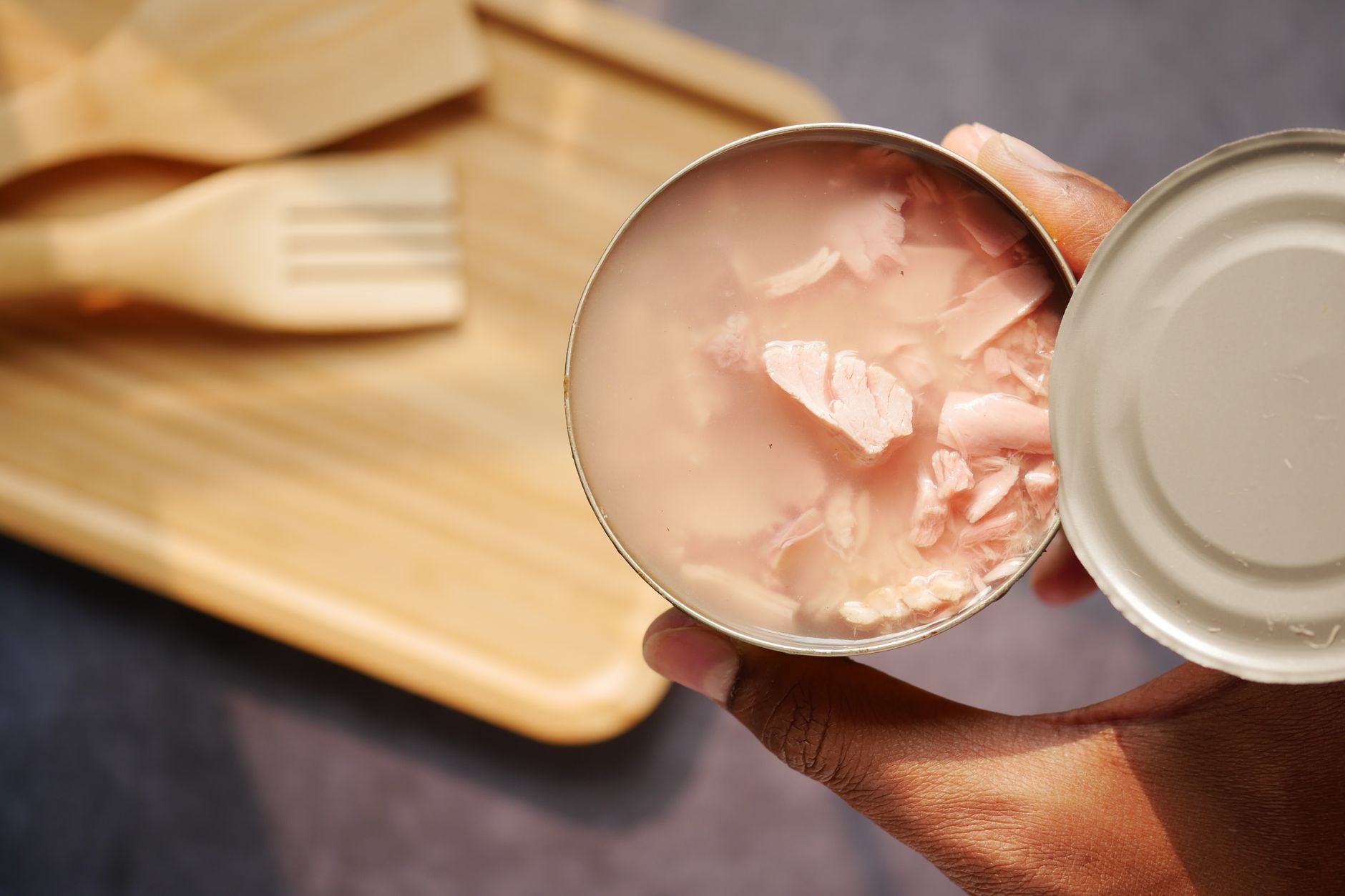
Canned tuna is a pantry staple that provides a convenient source of protein and omega-3 fatty acids. However, with so many brands and varieties available, choosing the best can tuna can be overwhelming. This guide explores the various types of canned tuna, kitchen uses, and essential buying tips that will help you make the best choice for your culinary needs.
Whether you are looking to whip up a quick meal or stock your pantry, understanding the differences between canned tuna products will greatly enhance your cooking experience. Let’s dive into the best canned tuna options available on the market.
What is the Best Canned Tuna to Buy?
The best canned tuna largely depends on personal preference, intended use, and sustainability practices. Generally, the top contenders usually include albacore tuna and skipjack tuna, often categorized under brands that prioritize quality and ethical sourcing. Albacore tuna tends to be firmer and milder, while skipjack offers a more robust flavor.
Types of Canned Tuna
Canned tuna comes in several varieties, each with distinct flavors, textures, and culinary uses. Here’s a breakdown of the most common types you’ll find:
1. Chunk Light Tuna
Chunk light tuna is typically made from skipjack or smaller tuna species. It is known for its mild flavor and flaky texture. This type is often less expensive and widely available, making it a popular choice for salads and sandwiches.
2. Solid White Albacore Tuna
Solid white albacore tuna is prized for its firm texture and rich flavor. It is often considered a premium option due to its slightly higher price. Albacore tuna has a higher mercury content than light tuna, so it should be consumed in moderation, especially by pregnant individuals.
3. Yellowfin Tuna
Yellowfin tuna is less commonly found in canned form compared to other varieties. It has a darker color and a stronger flavor, making it suitable for dishes where a more pronounced tuna taste is desired. This type is often used in gourmet salads or recipes that require a bold flavor.
4. Tuna Packed in Water vs. Oil
Tuna can be preserved in water or oil. Tuna packed in water is generally lower in calories and has a fresher taste. On the other hand, tuna packed in oil is richer and more flavorful, making it perfect for recipes where the oil can be incorporated into the dish. The choice between the two often comes down to personal dietary preferences.
How to Use Canned Tuna in the Kitchen
Canned tuna is incredibly versatile and can be integrated into a variety of dishes. Here are some popular culinary applications:
- Salads: Canned tuna is a great addition to classic salads, adding protein and flavor. Mix it with mayonnaise, celery, and onions for a traditional tuna salad.
- Sandwiches and Wraps: Tuna makes an excellent filling for sandwiches. Combine it with your favorite ingredients and serve it on whole-grain bread, or wrap it in tortillas with fresh veggies.
- Pasta Dishes: Incorporate canned tuna into pasta dishes. It pairs well with creamy sauces, such as a tuna noodle casserole or Mediterranean pasta salads.
- Stuffed Vegetables: Use canned tuna to stuff bell peppers, tomatoes, or avocados for a nutritious meal.
- Fish Tacos: Tuna can be added to tacos for a quick and flavorful option. Add fresh toppings like cilantro, cabbage, and salsa for crunch.
Buying Tips for Canned Tuna
When shopping for the best canned tuna, consider the following tips to ensure you make an informed choice:
1. Check Sustainability Labels
Look for tuna that has been certified by organizations like the Marine Stewardship Council (MSC), which indicates that the tuna is sourced from sustainable fisheries. This helps protect ocean ecosystems and ensures that you’re making a responsible choice.
2. Consider BPA-Free Cans
BPA (bisphenol A) is a chemical used in the lining of some canned goods. Choose brands that advertise BPA-free packaging to limit exposure to this substance.
3. Examine the Ingredients
It’s helpful to choose canned tuna with minimal ingredients. Ideally, it should contain only tuna, water or oil, and salt. Avoid brands with artificial preservatives or fillers.
4. Compare Price per Ounce
When considering cost, look at the price per ounce to make the best purchase decision. More expensive brands may offer higher quality, but you can often find good value in mid-range products too.
5. Pay Attention to Expiration Dates
Canned goods can last a long time, but it’s important to check expiration dates to ensure you’re buying fresh products. Look for cans that are newer and have been stored properly.
Top Canned Tuna Brands to Consider
While there are numerous brands available, here are some of the highly recommended canned tuna brands that meet quality, taste, and sustainability standards:
- Wild Planet: Known for its sustainably sourced tuna, Wild Planet offers high-quality tuna with a rich flavor and firm texture. It’s a great choice for both taste and ethical considerations.
- Genova: This brand offers solid white albacore tuna that is packed in olive oil, providing a richer, more flavorful option that is perfect for salads and pasta dishes.
- Starkist: A well-known brand, Starkist offers a range of tuna products, including chunk light and solid white variants. It’s often a budget-friendly option that delivers consistent quality.
- Chicken of the Sea: This brand has a variety of tuna options and is widely available. Their solid white albacore is especially popular for making quality tuna salads.
- Safe Catch: Recognized for their strict mercury testing, Safe Catch tuna is ideal for those concerned about mercury levels. Their tuna is high in protein and packed in water.
Troubleshooting Common Canned Tuna Issues
Sometimes, issues may arise when using canned tuna. Here are some common problems and how to address them:
1. Strong Fishy Taste
If you find your tuna has an overly strong fishy flavor, consider rinsing it under cold water before using. This can help remove excess oil or brine that contributes to the taste.
2. Dry or Rubbery Texture
Dry canned tuna can happen if it is overcooked or stored improperly. When preparing dishes that include canned tuna, such as casseroles, consider combining it with moist ingredients like mayonnaise or a creamy sauce to help improve its texture.
3. Inconsistency in Flavor
If you notice variations in taste from one can to another, it could be due to the type of tuna used or the packing method. Always opt for reputable brands that maintain consistent sourcing practices to minimize this issue.
Storage and Reheating Guidelines
Proper storage and reheating practices are essential for canned tuna to maintain its quality and freshness:
Storage
Canned tuna can be stored in a cool, dry place in your pantry. Once opened, it should be transferred to an airtight container and refrigerated. Consumed within 3 to 5 days for optimal freshness is recommended.
Reheating
If you’re incorporating canned tuna into heated dishes, ensure that the dish reaches a safe temperature of 165°F. Use a food thermometer to verify heating, especially in casseroles or pasta dishes that contain other perishable ingredients.
Practical Substitutions for Canned Tuna
If you’re out of canned tuna or looking for alternatives, here are some practical substitutions:
- Chicken: Canned chicken can work well in many recipes, providing similar texture and protein content.
- Chickpeas: For a vegetarian option, use canned chickpeas. They offer a protein boost and can mimic the texture of tuna in salads.
- Tofu: Firm tofu can be crumbled and seasoned to create a tuna-like texture in many dishes.
Serving Suggestions for Canned Tuna Dishes
Enhancing the presentation and flavor of your canned tuna dishes can make them even more appealing:
- Garnish: Fresh herbs like parsley, dill, or cilantro can add a burst of flavor and color to salads and spreads.
- Accompaniments: Serve tuna salads with fresh slices of avocado, tomatoes, or lettuce wraps for added nutrition and crunch.
- Sauces and Dressings: Enhance flavor with sauces or dressings like vinaigrettes, spicy mayo, or Greek yogurt for creamy texture.
Canned tuna is a versatile ingredient that can be enjoyed in many different forms, from salads to casseroles. By selecting the best canned tuna, understanding various uses, and applying helpful tips, you can maximize your culinary experience with this convenient protein source.
Consider exploring recipes that specifically showcase canned tuna, such as healthy tuna salad or tuna burgers, to effectively utilize this pantry staple in delicious ways.