
There’s something magical about the aroma of fresh basil wafting through the kitchen, isn’t there? This Basil Pasta Recipe captures that essence perfectly, offering a delightful combination of flavor and simplicity that makes it a go-to for weeknight dinners or a fancy date night.
With its vibrant taste and easy preparation, this dish is sure to impress without keeping you tied to the stove for hours. The tender pasta paired with the fresh basil makes for a refreshing meal that feels light yet satisfying.
Why You’ll Love This Recipe
This recipe is a delightful blend of fresh ingredients and comforting flavors.
- Quick to prepare, making it perfect for busy evenings.
- Uses fresh basil for a burst of vibrant flavor.
- Versatile enough to pair with various proteins or vegetables.
- A colorful dish that looks as good as it tastes.
- Ideal for any pasta lover looking to try something new.
My Experience Making This Recipe
As I pulled the basil from my herb garden, the fresh scent filled the air, instantly lifting my spirits. Cooking this dish felt like a mini celebration, with each step bringing me closer to that first luscious bite.
Once plated, the vibrant green of the basil against the pasta was a feast for the eyes. My family raved about the flavor, and I couldn’t help but feel proud of such a simple yet impressive meal.
Recipe Overview
- Recipe Name: Basil Pasta
- Servings: 4
- Prep Time: 10 minutes
- Cook Time: 15 minutes
- Total Time: 25 minutes
- Course: Main Course
- Cuisine: Italian
- Calories per Serving: 350
Equipment You Will Need
- Large pot
- Colander
- Skillet
- Cooking spoon
- Chef’s knife
- Cutting board
Ingredients for Basil Pasta
- 12 oz spaghetti or your favorite pasta
- 2 cups fresh basil leaves, packed
- 1/2 cup grated Parmesan cheese
- 1/2 cup olive oil
- 3 cloves garlic, minced
- Salt to taste
- Black pepper to taste
Ingredient Notes and Substitutions
- Fresh basil: Used for its aromatic flavor, it can be substituted with spinach for a different taste.
- Parmesan cheese: Adds a savory depth; nutritional yeast works for a dairy-free option.
- Olive oil: Provides richness; avocado oil is a good alternative.
- Garlic: Enhances flavor; shallots can be used for a milder taste.
How to Make Basil Pasta
Step 1: Boil the Pasta
Fill a large pot with water, add salt, and bring it to a boil. Salting the water enhances the pasta’s flavor.
Step 2: Cook the Pasta
Add the pasta to the boiling water and cook according to package instructions until al dente. This ensures the pasta has the right texture and bite.
Step 3: Prepare the Basil Sauce
While the pasta cooks, combine the fresh basil, Parmesan cheese, and garlic in a food processor. This creates a fragrant base for your sauce.
Step 4: Add Olive Oil
With the processor running, slowly drizzle in the olive oil until the mixture is smooth. This helps emulsify the sauce and gives it a silky texture.
Step 5: Drain the Pasta
Once the pasta is cooked, drain it in a colander, reserving a cup of pasta water. Saving some water helps adjust the sauce consistency later.
Step 6: Combine Pasta and Sauce
In the skillet, combine the drained pasta and basil sauce, tossing to coat evenly. This step is crucial for ensuring every bite is flavorful.
Step 7: Adjust Consistency
If the sauce is too thick, add reserved pasta water a little at a time until you reach the desired consistency. This makes the dish creamy and delightful.
Step 8: Season and Serve
Season with salt and pepper to taste, then plate the pasta. Finish with extra Parmesan and fresh basil for a beautiful presentation.
Pro Tip: Always use fresh basil for the best flavor; dried basil simply won’t cut it in this recipe.
Tips for the Best Basil Pasta
- Use high-quality olive oil; it makes a noticeable difference.
- Don’t overcook the pasta; it should be slightly firm for the best texture.
- Feel free to add cherry tomatoes for a pop of color and sweetness.
- Make sure to taste and adjust seasonings throughout the cooking process.
- Pair with a sprinkle of red pepper flakes if you enjoy a little heat.
Common Mistakes to Avoid
- Overcooking the pasta; it becomes mushy and less enjoyable.
- Using dried basil instead of fresh; it lacks the vibrant flavor.
- Not reserving pasta water; it helps create the perfect sauce consistency.
- Skipping the salt in boiling water; it significantly enhances flavor.
Serving Suggestions
This dish is versatile and can be served in various ways. Pair it with a fresh salad or garlic bread for a complete meal.
- Grilled chicken for added protein.
- Roasted vegetables for a hearty side.
- A glass of white wine for a touch of elegance.
- Freshly baked bread to soak up any leftover sauce.
Variations to Try
- Add sun-dried tomatoes for a sweet and tangy twist.
- Incorporate spinach or arugula for extra greens and nutrients.
- Mix in grilled shrimp for a seafood flair.
- Top with toasted pine nuts for a crunchy texture.
Dietary Adaptations
- Gluten-free: Use gluten-free pasta for a suitable option.
- Dairy-free: Substitute with nutritional yeast instead of cheese.
- Vegan: Skip the cheese or use vegan alternatives.
- Low-carb/Keto: Replace pasta with zucchini noodles for a lighter dish.
Storage and Reheating
Refrigerator
Store leftovers in an airtight container for up to 3 days.
- Reheat in a skillet over low heat for best results.
- Add a splash of water or olive oil to help loosen the sauce.
Freezer
This dish can be frozen for up to 2 months.
- Allow the pasta to cool completely before freezing.
- Store in a freezer-safe container or bag.
Reheating
For best results, thaw overnight in the refrigerator before reheating.
- Reheat in a skillet over medium heat, adding water or oil as needed.
Nutrition Information
| Nutrient | Amount |
|---|---|
| Calories | 350 |
| Total Fat | 18g |
| Saturated Fat | 4g |
| Carbohydrates | 42g |
| Fiber | 3g |
| Sugar | 1g |
| Protein | 10g |
| Sodium | 200mg |
| Cholesterol | 10mg |
This nutritional information is an estimate and may vary based on specific ingredients used.
Frequently Asked Questions
Can I use dried basil instead of fresh?
While you can, dried basil won’t provide the same vibrant flavor, so fresh is recommended.
Can I make this ahead of time?
Yes, you can prepare the sauce ahead and store it in the fridge until ready to combine with pasta.
How should I store leftovers?
Leftovers should be stored in an airtight container in the refrigerator for up to 3 days.
Why is my pasta sticky?
This can happen if the pasta is overcooked or not stirred enough while cooking.
Can I add protein to this dish?
Absolutely! Grilled chicken, shrimp, or even chickpeas can be great additions.
Final Thoughts
This Basil Pasta Recipe is not just a meal; it’s an experience bursting with flavor that transports you straight to Italy. I encourage you to try it and see just how delightful fresh basil can be in a simple pasta dish.
For more delicious recipes, check out my Marry Me Pasta Recipe or learn how to make Pesto without Pine Nuts for additional inspiration.
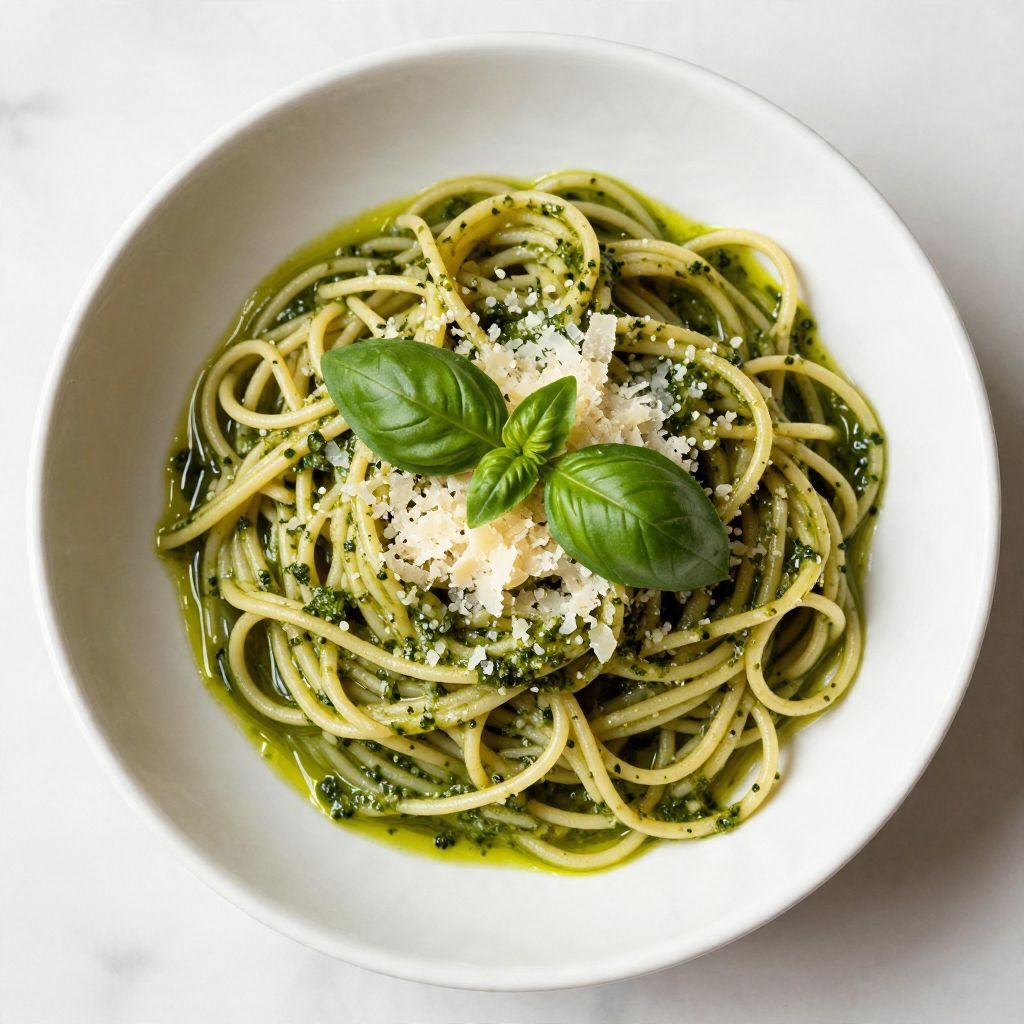
Basil Pasta
Ingredients
Equipment
Method
- Fill a large pot with water, add salt, and bring it to a boil.
- Add the pasta to the boiling water and cook according to package instructions until al dente.
- While the pasta cooks, combine the fresh basil, Parmesan cheese, and garlic in a food processor.
- With the processor running, slowly drizzle in the olive oil until the mixture is smooth.
- Once the pasta is cooked, drain it in a colander, reserving a cup of pasta water.
- In the skillet, combine the drained pasta and basil sauce, tossing to coat evenly.
- If the sauce is too thick, add reserved pasta water a little at a time until you reach the desired consistency.
- Season with salt and pepper to taste, then plate the pasta.
- Finish with extra Parmesan and fresh basil for a beautiful presentation.