
There’s something almost magical about the moment fresh pasta hits boiling water and sweet peas tumble into the pan, filling your kitchen with the smell of garlic and butter. Pasta and peas is one of those dishes that feels humble on the surface yet delivers genuine comfort and satisfaction with every forkful.
This recipe bridges the gap between weeknight dinner and something special enough for guests. It comes together in under 30 minutes, relies on pantry staples you likely already have, and tastes far better than its simple ingredient list suggests.
The magic happens when you coat tender pasta in a silky sauce where sweet peas shine, garlic perfumes every bite, and a touch of cream ties everything together. Whether you’re feeding yourself after a long day or looking for a dish that impresses without fuss, this one delivers.
Why You’ll Love This Recipe
This dish checks every box for home cooks who want real flavor without the complexity. The combination of textures and tastes feels restaurant-quality, yet requires nothing fancy or time-consuming.
- Ready in under 30 minutes from start to finish
- Uses affordable, easy-to-find ingredients
- Naturally vegetarian and endlessly customizable
- Tastes just as good reheated the next day
- Works for weeknight dinners or casual entertaining
My Experience Making This Recipe
I first made this dish on a random Tuesday when I had nothing in the fridge except pasta, frozen peas, and some cream. The result surprised me so much that I’ve been making it regularly ever since.
What struck me most was how the peas become slightly sweet as they warm through, contrasting beautifully with the savory garlic and butter base. My family devours it in minutes, and the leftovers somehow taste even better.
The best part? Kids who claim they don’t like peas suddenly find themselves eating three helpings without complaint. There’s something about this preparation that wins people over.
Recipe Overview
- Recipe Name: Pasta and Peas
- Servings: 4
- Prep Time: 5 minutes
- Cook Time: 15 minutes
- Total Time: 20 minutes
- Course: Main Dish
- Cuisine: Italian-Inspired
- Calories per Serving: 385
Equipment You Will Need
- Large pot for boiling water
- Colander for draining pasta
- Large skillet or saucepan
- Wooden spoon for stirring
- Measuring cups and spoons
- Knife for mincing garlic
- Cutting board
Ingredients for Pasta and Peas
- 1 pound penne or linguine pasta
- 2 cups frozen peas (or fresh if available)
- 4 tablespoons butter
- 6 cloves garlic, minced
- 1/2 cup heavy cream
- 1/4 cup grated Parmesan cheese
- Salt to taste
- Black pepper to taste
- 1/4 teaspoon red pepper flakes (optional)
- Fresh parsley for garnish (optional)
Ingredient Notes and Substitutions
- Butter: The fat base that carries flavor and creates the sauce’s silky texture. Olive oil works if you prefer, though it changes the dish slightly.
- Garlic: Fresh garlic provides the aromatic backbone that lifts the entire dish. Garlic powder loses the fresh punch, so use fresh when possible.
- Heavy cream: Creates richness and binds ingredients together seamlessly. Half-and-half or whole milk work but will be slightly lighter and less luxurious.
- Parmesan cheese: Adds umami depth and helps thicken the sauce naturally. Pecorino Romano substitutes well if you prefer sharper flavor.
- Peas: Frozen peas are perfectly fine and often fresher than fresh ones by the time you buy them. Fresh spring peas are wonderful if in season.
How to Make Pasta and Peas
Step 1: Boil Salted Water
Fill a large pot three-quarters full with water and bring it to a rolling boil over high heat. Adding salt to the water seasons the pasta as it cooks from the outside in, which matters far more than most people realize.
Step 2: Cook the Pasta
Add pasta to the boiling water and cook according to package directions, but pull it out one minute before the package suggests. This ensures the pasta finishes cooking in the sauce later without becoming mushy.
Step 3: Melt Butter and Cook Garlic
While the pasta cooks, melt butter in a large skillet over medium heat. Once melted, add minced garlic and cook for about 1 minute, stirring constantly, until fragrant but not browned.
Step 4: Add the Cream
Pour heavy cream into the skillet with the garlic and butter, stirring to combine. Let the mixture warm through for about 2 minutes on medium heat, which allows the flavors to meld.
Step 5: Introduce the Peas
Add frozen peas to the cream mixture and stir well to coat them evenly. Cook for 3 to 4 minutes, stirring occasionally, until the peas are heated through and the sauce thickens slightly.
Step 6: Drain the Pasta
Drain the pasta in a colander, reserving about one cup of pasta cooking water. This starchy water is liquid gold for loosening the sauce to the perfect consistency.
Step 7: Combine Pasta and Sauce
Add the drained pasta to the skillet with the pea and cream mixture. Toss gently to coat every piece, adding pasta water a splash at a time until you reach your preferred sauce consistency.
Step 8: Add Cheese and Season
Stir in Parmesan cheese and season generously with salt and pepper. Taste as you go because seasoning can vary based on the saltiness of your pasta water and cheese.
Pro Tip: Save that pasta cooking water before draining because the starch in it creates a silky sauce that cream alone cannot achieve. Just one or two splashes usually does the job.
Tips for the Best Pasta and Peas
- Mince your garlic fresh rather than using pre-minced, as fresh garlic provides noticeably better flavor and aroma.
- Don’t skip toasting the garlic briefly in butter before adding cream, as this develops deeper flavor through the cooking process.
- Keep your pasta water nearby while combining everything so you can adjust sauce thickness on the fly.
- Taste and adjust seasoning right before serving because flavors develop as ingredients combine.
- Use a large skillet rather than a small one so the pasta coats evenly without overcrowding.
- Serve immediately after combining because pasta continues absorbing sauce as it sits, making leftovers thicker.
Common Mistakes to Avoid
- Cooking pasta all the way through before adding it to the sauce causes it to finish cooking twice and become mushy.
- Skipping the salt in your pasta water means your final dish will taste flat no matter how much you season the sauce.
- Using jarred minced garlic instead of fresh creates a metallic aftertaste that dominates the delicate pea flavor.
- Adding all the cream at once without warming it gently can cause the mixture to break or separate.
- Oversalting before tasting is easy because Parmesan and pasta water both contribute saltiness that builds as you cook.
Serving Suggestions
This pasta shines on its own but pairs beautifully with simple sides and proteins that don’t compete with its flavors. The dish is rich enough to stand as a main course yet light enough to feel approachable.
- Serve alongside a crisp Caesar salad or simple green salad with lemon vinaigrette
- Top with a piece of grilled chicken breast for added protein
- Pair with crusty garlic bread for soaking up extra sauce
- Add crispy pancetta or bacon for a smokier dimension
- Finish with fresh lemon zest and cracked black pepper for brightness
Variations to Try
- With Prosciutto: Crisp up diced prosciutto in the skillet before adding butter, then proceed as normal for a salty, umami boost.
- Spring Vegetable Version: Swap half the peas for diced asparagus or snap peas added near the end for textural variety.
- Lemon Garlic: Add juice and zest of one lemon at the end for brightness that cuts through the richness.
- With Fresh Herbs: Stir in fresh basil, dill, or tarragon just before serving for an herbal dimension.
- Mushroom Addition: Saute sliced mushrooms in the butter before adding garlic for earthy depth and heartiness.
Dietary Adaptations
- Gluten-Free: Use gluten-free pasta and follow the same cooking method. Note that gluten-free pasta sometimes absorbs more liquid, so adjust water amounts as needed.
- Dairy-Free: Replace cream with cashew cream or oat cream and use nutritional yeast instead of Parmesan for a plant-based version that’s surprisingly satisfying.
- Vegan: Use olive oil instead of butter, dairy-free cream, and skip the cheese or use a vegan alternative for a compassionate take.
- Low-Carb: Substitute zucchini noodles or shirataki noodles for pasta and increase the cream and cheese proportions for better satiating fat content.
Storage and Reheating
Refrigerator
Store leftovers in an airtight container for up to three days. The pasta absorbs more sauce over time, so the dish thickens as it sits.
- Add a splash of cream or pasta water when reheating to loosen the consistency
- Store the pasta and sauce together rather than separated for best results
Freezer
This dish freezes well for up to two months in a freezer-safe container. Let it cool completely before freezing to prevent ice crystals from forming.
- Thaw overnight in the refrigerator before reheating
- Freeze in individual portions for easy weeknight reheating
Reheating
Reheat gently over medium-low heat, stirring occasionally and adding liquid as needed to reach the right consistency. Microwaving works in a pinch but dries things out faster than stovetop reheating.
- Add a tablespoon of cream or milk for every two servings being reheated
- Heat until steaming but not boiling to prevent sauce separation
Nutrition Information
| Nutrient | Amount |
|---|---|
| Calories | 385 |
| Total Fat | 18g |
| Saturated Fat | 11g |
| Carbohydrates | 46g |
| Fiber | 4g |
| Sugar | 3g |
| Protein | 13g |
| Sodium | 425mg |
| Cholesterol | 52mg |
Nutritional values are approximate and calculated based on standard ingredient amounts. Actual nutrition varies based on specific brands used and portion sizes.
Frequently Asked Questions
Can I Use Fresh Peas Instead of Frozen?
Absolutely, and they’re wonderful if you can get them in season. Fresh peas cook slightly faster, so add them toward the very end and watch closely to avoid overcooking.
What Type of Pasta Works Best?
Penne, linguine, and fettuccine all work beautifully because their shapes or ribbons catch and hold the cream sauce. Avoid long thin pasta like angel hair, which becomes mushy in cream sauces.
Can I Make This Ahead of Time?
You can prepare components in advance, but the finished dish is best served fresh. Cook the pasta and sauce separately, then combine just before serving to maintain ideal texture.
Why Does My Sauce Look Grainy or Broken?
This happens when cream gets too hot too quickly or when the temperature fluctuates wildly. Keep heat at medium and add cream gradually to the warm (not boiling) garlic and butter mixture.
How Can I Make This Recipe More Substantial?
Add protein like grilled chicken, crispy bacon, or sauteed shrimp, or bulk it up with mushrooms and asparagus. You can also increase the amount of pasta and proportionally more sauce.
Can I Use Milk Instead of Heavy Cream?
Yes, though the sauce will be lighter and thinner. Whole milk works better than low-fat varieties, and you may need to cook slightly longer for the sauce to thicken.
Final Thoughts
Pasta and peas might be one of the simplest dishes you’ll ever make, yet it delivers genuine comfort and satisfaction that far exceeds its ingredient list. This recipe proves that great cooking isn’t about complexity but rather understanding how a few quality ingredients shine when treated with care.
Make this for yourself tonight and discover why it deserves a permanent spot in your regular rotation. Your weeknight dinners and your guests will both thank you.
If you enjoy simple pasta dishes like this one, explore more traditional favorites like creamed peas recipe for other comfort food inspiration. For something with a savory kick, check out million dollar bacon recipe to add to your cooking repertoire.
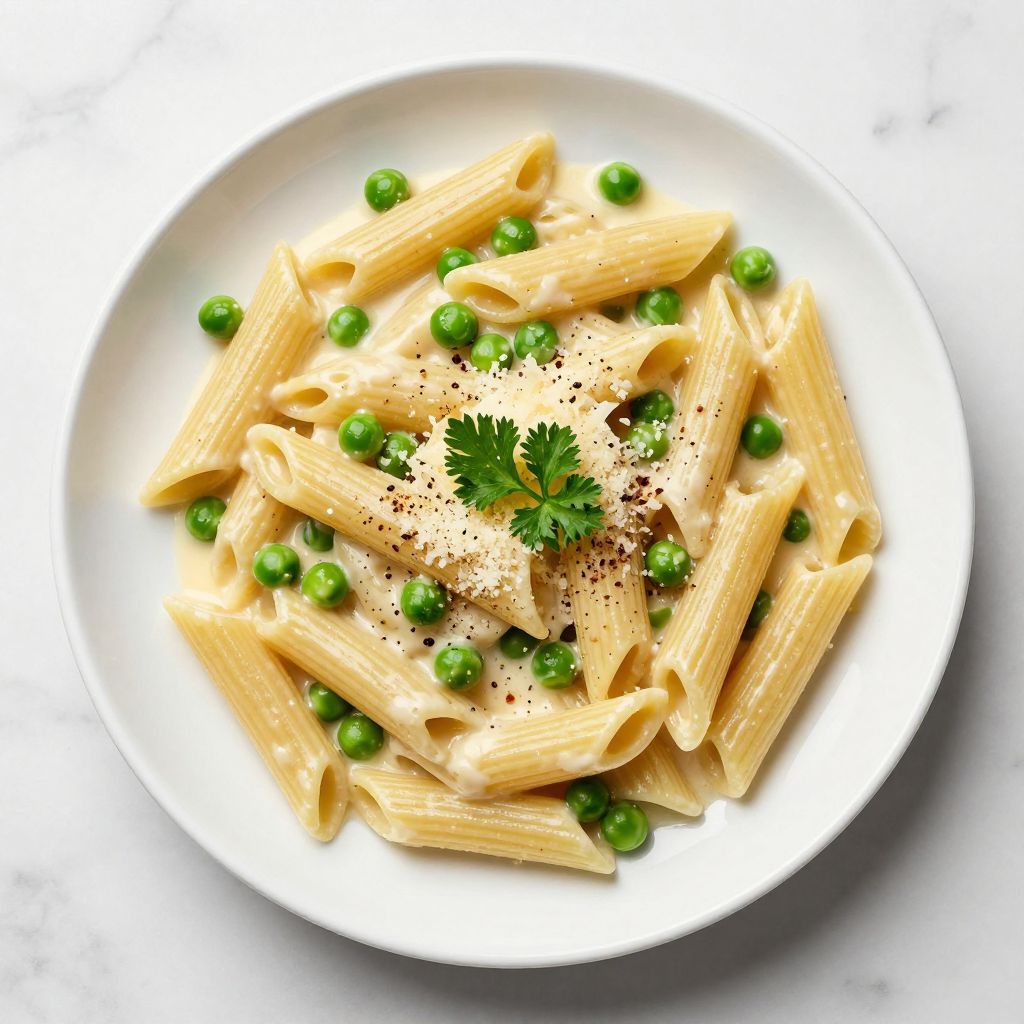
Pasta and Peas
Ingredients
Equipment
Method
- Fill a large pot three-quarters full with water, bring it to a rolling boil over high heat, and season generously with salt.
- Add the pasta to the boiling water and cook for 8 minutes, about 1 minute less than package directions, until just under al dente.
- While the pasta cooks, melt the butter in a large skillet over medium heat, add the minced garlic, and cook for 1 minute, stirring constantly, until fragrant.
- Pour the heavy cream into the skillet, stir to combine, and let it warm through for 2 minutes over medium heat.
- Add the frozen peas to the cream mixture and cook for 3 to 4 minutes, stirring occasionally, until the peas are heated through and the sauce slightly thickens.
- Drain the pasta in a colander, reserving 1 cup of the cooking water for the sauce.
- Add the drained pasta to the skillet, toss to coat, and add the reserved pasta water a splash at a time until you reach your preferred sauce consistency.
- Stir in the Parmesan cheese, season with salt and black pepper to taste, and sprinkle with red pepper flakes and parsley if using before serving.