
There’s something magical about a honey glaze catching the light in your kitchen, golden and glossy, promising that perfect balance of sweet and savory on whatever it touches.
This honey glaze recipe is a game in itself because it works everywhere: brush it on roasted chicken, drizzle it over ham, coat your vegetables, or use it as a dipping sauce for appetizers. What makes it shine is the simplicity paired with genuine depth of flavor from the honey, balanced with acid and heat to keep it interesting.
Why You’ll Love This Recipe
You get a versatile glaze that comes together in minutes but tastes like you’ve been working on it all day.
- Takes just 5 minutes to make from start to finish
- Works on chicken, pork, ham, vegetables, and even seafood
- Naturally sweetened with real honey, no corn syrup needed
- Creates a caramelized, glossy finish that looks restaurant-quality
- Stores beautifully for up to two weeks in your refrigerator
My Experience Making This Recipe
I first made this glaze on a random Tuesday night when I pulled chicken breasts out of the freezer and had no real plan. I tossed together what I had in my pantry, and twenty minutes later, my family was asking what smelled so incredible.
The glaze caramelized slightly under the broiler, turning deep amber and creating this incredible crust that snapped when you bit into it. My kids actually asked for seconds, which never happens with plain chicken.
Since then, I’ve made it dozens of times. I’ve used it on roasted Brussels sprouts, glazed ham for Easter, and even as a wing sauce for game day. It never disappoints, and people always ask for the recipe.
Recipe Overview
- Recipe Name: Honey Glaze
- Servings: Makes about 1 cup of glaze (enough for 4 to 6 servings)
- Prep Time: 5 minutes
- Cook Time: 5 minutes
- Total Time: 10 minutes
- Course: Sauce/Topping
- Cuisine: American
- Calories per Serving: 60 calories (per 2-tablespoon serving)
Equipment You Will Need
- Small saucepan
- Whisk
- Measuring spoons and cups
- Wooden spoon
- Pastry brush (for applying glaze)
- Instant-read thermometer (optional but helpful)
Ingredients for Honey Glaze
- 1/2 cup raw honey
- 3 tablespoons Dijon mustard
- 2 tablespoons apple cider vinegar
- 1 tablespoon soy sauce
- 1 tablespoon butter
- 1/2 teaspoon garlic powder
- 1/4 teaspoon cayenne pepper
- 1/4 teaspoon black pepper
- Pinch of sea salt
Ingredient Notes and Substitutions
- Raw honey adds floral notes and smooth sweetness that glazes beautifully. Substitute with maple syrup for a different depth, though the flavor profile will shift slightly toward earthiness.
- Dijon mustard provides tangy sharpness that cuts through the sweetness and adds complexity. Yellow mustard works in a pinch but tastes less sophisticated and more one-dimensional.
- Apple cider vinegar brings brightness and helps prevent the glaze from tasting too cloying. White wine vinegar or rice vinegar can replace it, though apple cider is more forgiving and adds subtle fruity notes.
- Soy sauce adds umami depth and a touch of saltiness that makes the honey pop. Tamari works for a gluten-free option with nearly identical flavor.
- Butter melts into the glaze, adding richness and helping ingredients emulsify smoothly. Coconut oil works for dairy-free cooking but adds slight coconut flavor.
- Garlic powder contributes savory backbone without adding moisture like fresh garlic would. Onion powder can substitute if you prefer a slightly sweeter, rounder savory note.
- Cayenne pepper provides gentle heat that builds slowly, not overwhelming the honey. Red pepper flakes work too but deliver a different texture and slightly rougher heat.
How to Make Honey Glaze
Pull out your saucepan and have all ingredients measured and ready before you start cooking. This takes the stress out of the process and prevents anything from burning while you’re hunting for the garlic powder.
Step 1: Gather Your Ingredients and Measure Everything
Pour the honey, Dijon mustard, and apple cider vinegar into your saucepan over medium heat. These three ingredients form your flavor foundation, so whisk them together immediately to combine evenly.
Step 2: Combine Honey, Mustard, and Vinegar
Stir in the soy sauce and butter, whisking constantly until the butter fully melts into the mixture. This usually takes about 30 seconds, and you’ll notice the glaze becoming smoother and more cohesive as the butter incorporates.
Step 3: Add Soy Sauce and Butter
Sprinkle in the garlic powder, cayenne pepper, black pepper, and sea salt while whisking vigorously. Keep whisking for about 30 seconds to ensure no lumps form and the spices distribute evenly throughout the glaze.
Step 4: Mix in Dry Spices
Continue heating until you see tiny bubbles just beginning to break on the surface, about 2 to 3 minutes total. Don’t let it come to a rolling boil because that can cause the honey to break down and lose some of its subtle floral notes.
Step 5: Bring to a Gentle Simmer
Remove the pan from heat and dip a spoon into the glaze, then tilt it to watch how the glaze flows. If it coats the back of a spoon and slowly drips off, you’ve got perfect consistency; if it’s too thin, simmer for another minute.
Step 6: Test the Consistency
Let a tiny amount cool for 10 seconds, then taste it carefully. Add a pinch more salt if it needs depth, another squeeze of vinegar if it tastes too sweet, or a touch more cayenne if you want more heat.
Step 7: Taste and Adjust Seasonings
Let the glaze cool for 3 to 5 minutes at room temperature before applying it to hot food. This prevents the glaze from being too runny and helps it set properly once it hits your protein or vegetables.
Pro Tip: Apply your glaze in the last 5 minutes of cooking rather than at the start, because the sugars caramelize beautifully under direct heat but can burn if exposed too long.
Tips for the Best Honey Glaze
- Use raw or unpasteurized honey if you can find it because the subtle flower notes make a real difference in the final flavor. Clover honey works perfectly and costs less than fancy varietals.
- Add the glaze gradually if you’re coating something. Start with less than you think you need, then add more as it cooks, building layers of caramelized flavor instead of drowning your food in sweetness.
- Keep the heat at medium or below while simmering to avoid reducing the glaze too much. Low and slow gives you better control over the final consistency.
- Whisk constantly during cooking to prevent any ingredient from settling or burning on the bottom of the pan. This takes 30 seconds of attention and makes a huge difference in smoothness.
- Make a double batch and store the extra in a jar. You’ll be amazed how often you reach for it once you realize how versatile it is.
- Brush the glaze on during the last few minutes of cooking for chicken breasts, but earlier for tougher cuts like ham. Different proteins need different timing to caramelize properly without burning.
Common Mistakes to Avoid
- Boiling the glaze aggressively causes the honey to break down and creates a grainy texture instead of smooth shine. Keep the heat low and let it barely simmer instead.
- Applying the glaze too early means it burns before your protein finishes cooking. Save the glaze for the final minutes under the heat source.
- Skipping the mustard might seem fine, but it’s what keeps this from tasting like sweetened soy sauce. The mustard provides complexity that makes people ask what the secret ingredient is.
- Using bottled minced garlic instead of garlic powder adds moisture to the glaze, making it too thin and watery. Powder keeps the consistency perfect.
- Forgetting to taste and adjust means you might end up with something too sweet, too tangy, or too spicy for your preference. Thirty seconds of tasting costs nothing and saves the whole batch.
Serving Suggestions
This glaze makes almost anything better, and the best part is how forgiving it is across different dishes.
- Brush generously over roasted chicken breasts or thighs in the final 5 minutes of cooking for a caramelized crust
- Coat ham steaks during the last 10 minutes of cooking for a sweet and savory combination that’s perfect for holidays
- Toss with roasted Brussels sprouts, carrots, or parsnips for a side dish that steals the show
- Use as a dipping sauce for chicken wings, meatballs, or pork ribs at parties
- Drizzle over roasted salmon in the final 2 minutes for a glossy, flavorful finish that complements the fish perfectly
Variations to Try
- Add 1 teaspoon of fresh grated ginger and 1/4 teaspoon of ground cloves for an Asian-inspired glaze with warming spice notes. This version pairs beautifully with duck or pork tenderloin.
- Stir in 1 tablespoon of balsamic vinegar instead of some apple cider vinegar for deeper, richer notes. The glaze becomes more sophisticated and works especially well on beef or lamb.
- Mix in 1/2 teaspoon of smoked paprika and a pinch of liquid smoke for a BBQ-style glaze. This transforms it into something perfect for ribs or pulled pork.
- Add 1/4 teaspoon of ground chipotle powder and 1 tablespoon of lime juice for a spicy-sweet Mexican twist. Use this on chicken tacos or grilled fish.
- Whisk in 1 teaspoon of Worcestershire sauce and 1/2 teaspoon of fresh thyme for a herbaceous version that’s incredible on lamb chops.
Dietary Adaptations
- Gluten-free: Check your soy sauce label and use tamari instead if needed, as some soy sauces contain wheat. Everything else in this recipe is naturally gluten-free.
- Dairy-free: Replace the butter with coconut oil or olive oil in equal measure. You’ll lose a tiny bit of richness, but the glaze will work perfectly fine.
- Vegan: Use vegan butter or coconut oil instead of regular butter. Everything else in the recipe happens to be completely plant-based already.
- Low-carb or keto: Use monk fruit sweetener or erythritol in place of honey at a 1:1 ratio by volume. The flavor will differ slightly, and you’ll lose some of the caramelization properties, but it works in a pinch.
Storage and Reheating
Refrigerator
Store your finished glaze in an airtight container in the refrigerator for up to two weeks. The flavors actually deepen and mellow slightly as it sits, making it taste even better after a few days.
- Glass jars work best because you can see what you have at a glance
- Label with the date so you know when you made it
- The glaze thickens when cold but loosens right up when warmed
Freezer
This glaze freezes beautifully for up to three months in an airtight freezer container. Leave a little headspace because the glaze expands slightly as it freezes.
- Freeze in ice cube trays first, then transfer the cubes to a freezer bag for portion control
- Thaw overnight in the refrigerator before using
- Don’t refreeze after thawing
Reheating
Gently warm the glaze in a small saucepan over low heat, stirring occasionally until it reaches the consistency and temperature you want. You can also microwave it in 15-second bursts if you’re in a rush, stirring between intervals.
- Don’t let it boil again or you’ll risk the same texture issues as before
- If it’s too thick after reheating, whisk in a teaspoon of water or vinegar
- If it’s too thin, simmer for another minute
Nutrition Information
| Nutrient | Amount |
|---|---|
| Calories | 60 |
| Total Fat | 2g |
| Saturated Fat | 1g |
| Carbohydrates | 11g |
| Fiber | 0g |
| Sugar | 10g |
| Protein | 0g |
| Sodium | 180mg |
| Cholesterol | 2mg |
Nutrition information is calculated per 2-tablespoon serving, which is a standard serving size for a glaze. Your actual serving size may vary depending on how generously you apply it.
Frequently Asked Questions
Can I make this glaze ahead of time?
Absolutely. Make it up to two weeks ahead and store it in the refrigerator in an airtight container. The flavors actually develop and deepen as it sits, so making it a day or two early is even better.
What if my glaze is too thick after cooling?
Warm it gently over low heat and whisk in a little water, vinegar, or honey until you reach the right consistency. You want something that flows slowly off a spoon but still clings to food.
Can I use this on vegetables?
Yes, it’s fantastic on roasted vegetables. Toss your veggies with the glaze in the final 5 to 10 minutes of roasting so they caramelize beautifully without burning.
Why is my glaze grainy or separated?
This happens when the honey gets too hot or when ingredients aren’t whisked together smoothly. Next time, keep the heat at medium and whisk constantly from the start. If this happens, try blending it smooth with an immersion blender.
Can I use brown sugar instead of honey?
Brown sugar won’t give you the same caramelization or depth of flavor, and the glaze won’t be as glossy. Honey is really the ingredient that makes this recipe special, so it’s worth tracking down if you don’t have it.
How much glaze should I use on my food?
Start with a thin coating and add more as needed during cooking. You need far less than you think because the glaze concentrates and intensifies under heat.
Does this work on seafood?
Yes, brush it on salmon, mahi-mahi, or shrimp in the final minute or two of cooking. The sweetness pairs beautifully with the richness of fish.
Final Thoughts
This honey glaze recipe has become one of my most-used condiments because it’s genuinely foolproof and delivers restaurant-quality results every single time. The balance of sweet, tangy, and savory makes it work on almost anything you throw at it.
Give it a try this week, and I promise you’ll find yourself making it again and again. Your family will ask for it, your dinner guests will want the recipe, and you’ll wonder how you ever cooked without it.
Explore More Delicious Recipes
If you loved this versatile glaze, check out more amazing sauce and condiment recipes to expand your kitchen repertoire.
Take your glazing skills to the next level by trying a hot honey recipe for spicy-sweet heat on fried chicken or biscuits. You can also experiment with a honey syrup recipe for creating custom syrups to drizzle over desserts, pancakes, or to add to your favorite beverages.
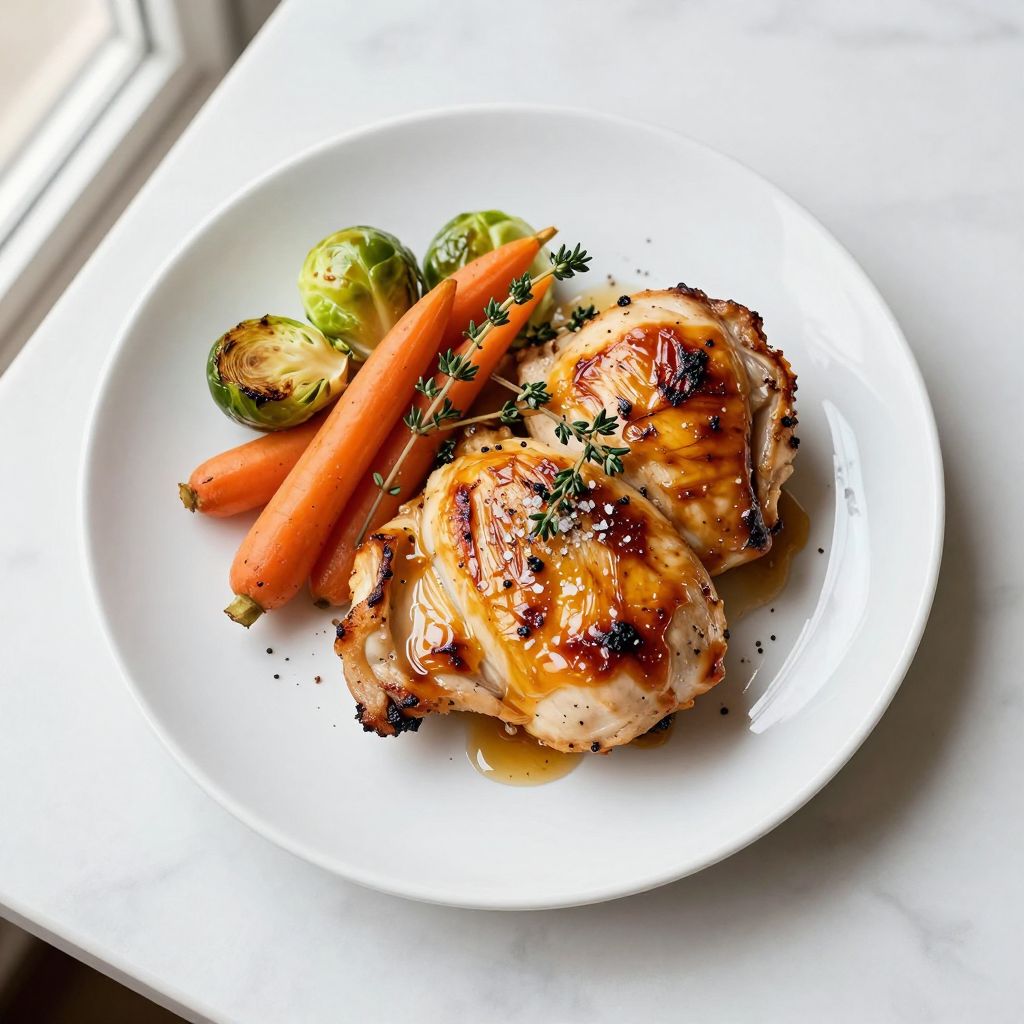
Honey Glaze
Ingredients
Equipment
Method
- Gather all ingredients and measure them out before you begin.
- Heat a small saucepan over medium heat and add 1/2 cup raw honey, 3 tablespoons Dijon mustard, and 2 tablespoons apple cider vinegar; whisk until smooth, about 30 seconds.
- Stir in 1 tablespoon soy sauce and 1 tablespoon butter, whisking constantly until the butter melts and the mixture is smooth, about 30 seconds.
- Sprinkle in 1/2 teaspoon garlic powder, 1/4 teaspoon cayenne pepper, 1/4 teaspoon black pepper, and a pinch of sea salt; whisk vigorously until spices are fully incorporated, about 30 seconds.
- Bring the glaze to a gentle simmer, allowing tiny bubbles to form on the surface, and cook for 2 to 3 minutes without boiling.
- Remove the pan from heat and test the consistency by coating the back of a spoon; if too thin, return to heat and simmer for an additional minute.
- Let the glaze cool for 10 seconds, then taste and adjust seasonings with extra salt, vinegar, or cayenne as desired.
- Allow the glaze to cool for 3 to 5 minutes at room temperature before brushing onto food.