
Nothing beats the moment when you pull a perfectly seasoned turkey from the oven and that aroma hits you like a warm hug from someone who actually knows how to cook. A turkey rub recipe is your secret weapon for transforming a simple bird into something that tastes like you spent hours perfecting your craft.
This rub combines aromatic spices and herbs that cling to the skin and penetrate the meat, delivering flavor in every single bite. The beauty of a quality rub is that it works whether you’re roasting, smoking, or grilling, and it takes just minutes to apply.
Read on to discover how a handful of pantry staples can turn your turkey into the showstopper of your table.
Why You’ll Love This Recipe
A homemade turkey rub beats store-bought seasonings because you control the salt, sugar, and spice levels to match your taste perfectly. This rub delivers restaurant-quality flavor without any mystery ingredients or MSG.
- Ready in under 5 minutes with ingredients you likely have on hand
- Works on any cooking method: roasting, smoking, or grilling
- Creates a beautiful golden crust while keeping the meat tender and juicy
- Doubles easily for larger birds or multiple turkeys
- Makes an excellent gift for the home cook in your life
My Experience Making This Recipe
I first made this rub years ago out of pure frustration with bland supermarket turkey. I mixed what I had in my spice cabinet and applied it the night before roasting, then woke up to my kitchen smelling like a five-star restaurant.
My family actually asked for seconds that year, which never happened with store-bought seasoning packets. The rub creates this incredible mahogany-colored skin that looks as good as it tastes, and guests always ask what my secret is.
Now I make a double batch and keep it in a jar so I’m always ready for weeknight roasted chicken or an unexpected dinner party. The rub has become my go-to for any poultry, really, and I’ve shared the recipe with more people than I can count.
Recipe Overview
- Recipe Name: Homemade Turkey Rub
- Servings: Makes enough for one 12 to 16-pound turkey
- Prep Time: 5 minutes
- Cook Time: Varies by cooking method
- Total Time: 5 minutes plus cooking time
- Course: Main Course
- Cuisine: American
- Calories per Serving: 15 calories per tablespoon
Equipment You Will Need
- Small mixing bowl
- Measuring spoons
- Whisk or fork
- Airtight glass jar for storage
- Spoon or your hands for applying the rub
Ingredients for Turkey Rub
- 3 tablespoons brown sugar
- 2 tablespoons kosher salt
- 1 tablespoon smoked paprika
- 2 teaspoons garlic powder
- 2 teaspoons onion powder
- 1 teaspoon black pepper
- 1 teaspoon dried thyme
- 1 teaspoon dried sage
- 1/2 teaspoon dried rosemary
- 1/4 teaspoon cayenne pepper
Ingredient Notes and Substitutions
- Brown sugar adds sweetness and helps create a caramelized crust. Use white sugar or honey if you prefer less molasses flavor, though the color may be slightly lighter.
- Kosher salt dissolves evenly and doesn’t clump like table salt. Diamond Crystal or Morton’s both work, but measure carefully since kosher salt grain sizes vary slightly.
- Smoked paprika delivers that subtle smoky note without actually smoking the bird. Regular paprika works fine if that’s what you have, but you’ll lose the depth.
- Garlic powder and onion powder create savory undertones. Fresh minced garlic or onion will add moisture and may clump, so stick with powder unless you’re applying the rub immediately.
- Dried thyme, sage, and rosemary are classic poultry herbs that dry beautifully. Fresh herbs lose too much flavor when heated, so dried is actually better here.
- Cayenne pepper adds gentle heat and complexity. Omit it entirely if heat bothers you, or double it if you love spicy food.
How to Make Turkey Rub
Step 1: Gather Your Spices
Pull out all your spice containers and arrange them in front of you so you don’t forget any ingredients. Having everything visible makes the process faster and prevents you from skipping a spice by accident.
Step 2: Combine Dry Ingredients
Pour the brown sugar, kosher salt, smoked paprika, garlic powder, onion powder, black pepper, thyme, sage, rosemary, and cayenne into a small mixing bowl. Measuring each ingredient precisely ensures balanced flavor throughout the rub.
Step 3: Whisk the Mixture
Use a whisk or fork to break up any brown sugar clumps and combine all the spices evenly. Whisking for about 30 seconds distributes the smaller spices like cayenne throughout the brown sugar so you get consistent flavor in every application.
Step 4: Check for Clumps
Run your fingers through the mixture to feel for any remaining brown sugar lumps or spice clusters. If you find any, press them against the side of the bowl with the back of your spoon to break them apart.
Step 5: Taste a Tiny Amount
Dab a single grain of the rub on your tongue to check the balance of salt, sweetness, and spice. This takes just seconds and helps you decide if you want to adjust anything before applying it to the turkey.
Step 6: Prepare Your Turkey
Pat your turkey dry with paper towels, inside and out, and place it on a clean cutting board or directly in your roasting pan. Dry skin absorbs the rub better and helps create that beautiful golden crust during cooking.
Step 7: Apply the Rub Generously
Sprinkle the rub all over the turkey, covering the breast, legs, thighs, wings, and any accessible areas inside the cavity. Use about two-thirds of your mixture on the outside and the remaining third inside, working it gently under the skin where you can without tearing it.
Step 8: Let It Rest
Cover the seasoned turkey loosely with plastic wrap and refrigerate for at least 2 hours, or up to 24 hours before cooking. The rub works its way into the meat during this resting period, creating deeper, more complex flavor than if you cooked it right away.
Pro Tip: Apply the rub the night before your turkey cooks so the flavors have time to penetrate the meat and skin, delivering maximum impact with every bite.
Tips for the Best Turkey Rub
- Make a double or triple batch and store it in an airtight jar for up to three months so you always have rub ready for roasted chicken, pork, or fish.
- Pat the turkey completely dry with paper towels before applying the rub because moisture repels the spice mixture and prevents it from sticking.
- Don’t be shy with application; rub it generously so you get a visible coating that will caramelize and crust up beautifully.
- If you’re in a hurry, apply the rub 30 minutes before cooking, but overnight is genuinely better for flavor development.
- Consider adding the rub under the skin of the breast by carefully loosening the skin with your fingers and working the mixture between the skin and meat.
Common Mistakes to Avoid
- Applying the rub to a wet turkey means it slides off during cooking instead of creating a flavorful crust. Always pat the bird dry first, even if it seems dry already.
- Using table salt instead of kosher salt creates an uneven, overly salty result because table salt is much denser and smaller. Stick with kosher salt for even distribution.
- Skipping the resting period after applying the rub misses out on flavor penetration that happens only with time. Even one hour in the fridge makes a real difference.
- Mixing the rub with oil or butter before applying it prevents even coverage and creates clumpy, greasy spots. Keep the rub dry and let the turkey’s natural moisture help it adhere.
- Forgetting to season inside the cavity results in bland meat in the thighs and breast where it matters most. Always apply some rub to the inside as well.
Serving Suggestions
Serve your perfectly rubbed turkey with classic sides that let the seasoning shine without competing for attention. The rub pairs beautifully with both traditional and modern accompaniments.
- Herb-buttered mashed potatoes that you can top with turkey drippings gravy
- Roasted root vegetables like carrots, parsnips, and Brussels sprouts tossed in olive oil
- Wild rice pilaf with cranberries and toasted pecans for texture and tartness
- A simple green salad with vinaigrette to cut through the richness
- Dinner rolls or cornbread for soaking up the savory pan drippings
Variations to Try
- Smoky and Spicy: Increase the smoked paprika to 2 tablespoons and the cayenne to 1/2 teaspoon for a bolder, hotter profile that works great for grilled turkey.
- Mediterranean Style: Replace the brown sugar with 1 tablespoon of lemon zest, reduce salt to 1 tablespoon, and add 1 teaspoon of dried oregano for a brighter, herbaceous flavor.
- Maple Bourbon: Substitute the brown sugar with 2 tablespoons of maple sugar and add 1 teaspoon of bourbon or vanilla extract mixed with a bit of oil to help the rub adhere, creating a sweet and sophisticated taste.
- Asian Inspired: Mix in 1 teaspoon of five-spice powder, 1/2 teaspoon of ground ginger, and 1/4 teaspoon of white pepper while reducing the amount of thyme and sage.
- Herb Focused: Double the dried herbs (thyme, sage, and rosemary) and reduce the brown sugar to 2 tablespoons for a fresher, more herbal seasoning that highlights savory notes.
Dietary Adaptations
- Gluten-Free: This recipe is naturally gluten-free, but verify your spices came from dedicated gluten-free facilities if you’re sensitive to cross-contamination.
- Dairy-Free: The rub contains no dairy, so it works perfectly for anyone avoiding milk products. Apply it to a completely dairy-free turkey or chicken.
- Low-Sodium: Cut the salt to 1 tablespoon and lean heavily on the herbs and smoked paprika for flavor, understanding that the seasoning will be less pronounced but still enjoyable.
- Keto-Friendly: This rub is keto-compatible, though reduce the brown sugar to 1 tablespoon or substitute with erythritol if you’re strict about carbs, since the rub clings to the turkey skin rather than significantly increasing carbohydrate content.
Storage and Reheating
Refrigerator
Store leftover dry rub in an airtight glass jar in a cool, dark cupboard for up to three months without losing potency. Airtight containers prevent the spices from absorbing moisture and odors from your kitchen.
- Label the jar with the date so you remember when you made it
- Stir it well before each use since heavier spices settle to the bottom
- Keep it away from heat sources like your stove or direct sunlight
Freezer
Freezing dry rub is unnecessary since spices don’t freeze or go bad in cold temperatures. Keep it at room temperature in your pantry instead for easy access.
- No need to thaw before using on poultry
- Freezing takes up valuable freezer space without any benefit
Reheating
This rub is applied raw to uncooked poultry, so there’s no reheating involved. The spices cook onto the turkey as it roasts, creating flavor and crust.
- Apply rub to room-temperature poultry for even seasoning distribution
- Allow rubbed poultry to rest at room temperature for 30 minutes before cooking to bring it closer to even cooking temperature
Nutrition Information
| Nutrient | Amount |
|---|---|
| Calories | 15 per tablespoon |
| Total Fat | 0.2g |
| Saturated Fat | 0g |
| Carbohydrates | 3.5g |
| Fiber | 0.2g |
| Sugar | 3g |
| Protein | 0.3g |
| Sodium | 620mg |
| Cholesterol | 0mg |
The nutritional values above reflect the dry rub alone and assume you use about 3 tablespoons total on your turkey. Most of the rub adheres to the skin and isn’t consumed, so actual intake per serving is significantly lower.
Frequently Asked Questions
Can I Apply the Rub With Oil or Butter?
You can mix the rub with a small amount of olive oil or melted butter to create a paste, but this makes even application trickier and can create greasy spots. The turkey’s natural moisture is usually enough to help the dry rub adhere, so skip the added fat unless you prefer that texture.
How Long Can I Keep a Rubbed Turkey in the Fridge?
A rubbed turkey keeps safely in the refrigerator for up to 24 hours before cooking, and many cooks say the flavor is best at this time point. Beyond 24 hours, the salt in the rub begins drawing moisture out of the skin, which can make it drier during cooking.
Is This Rub Good for Chicken?
Absolutely, and many people find this rub works even better on chicken because the smaller bird cooks faster and the seasoning doesn’t have to penetrate as far. Use about 1 tablespoon per whole chicken or 1.5 teaspoons per chicken breast.
Can I Make This Rub Without Brown Sugar?
Yes, you can use white sugar, maple sugar, or honey, though each changes the flavor slightly. White sugar creates less molasses depth, maple sugar adds sweetness, and honey adds moisture that might require you to apply it right before cooking instead of overnight.
What If My Rub Comes Off During Cooking?
This usually happens because the turkey wasn’t dried thoroughly before applying the rub, or because you applied it too lightly. Pat the turkey completely dry and apply rub generously enough that you see visible color on the skin.
Can I Use Fresh Herbs Instead of Dried?
Fresh herbs contain water and will wilt away or turn bitter during long roasting, so dried herbs are genuinely better for this application. If you prefer fresh, finely chop them and mix with a tiny bit of oil to create a paste, then apply right before cooking.
Final Thoughts
This turkey rub recipe proves that you don’t need complicated ingredients or fancy techniques to create restaurant-quality poultry at home. Five minutes of prep work delivers flavor that tastes like you spent hours in the kitchen.
Make a batch this week, try it on a roasting chicken, and watch your dinner guests ask for your secret. Once you experience the difference a quality rub makes, you’ll never go back to store-bought seasoning.
Explore More Turkey Recipes
Now that you’ve mastered the perfect rub, discover other ways to season your poultry for maximum impact.
Try pairing this rub with a turkey injection recipe to season the meat from the inside out, or explore a comprehensive turkey seasoning recipe that takes your bird to the next level. Both techniques work beautifully with this rub for layered, complex flavor.
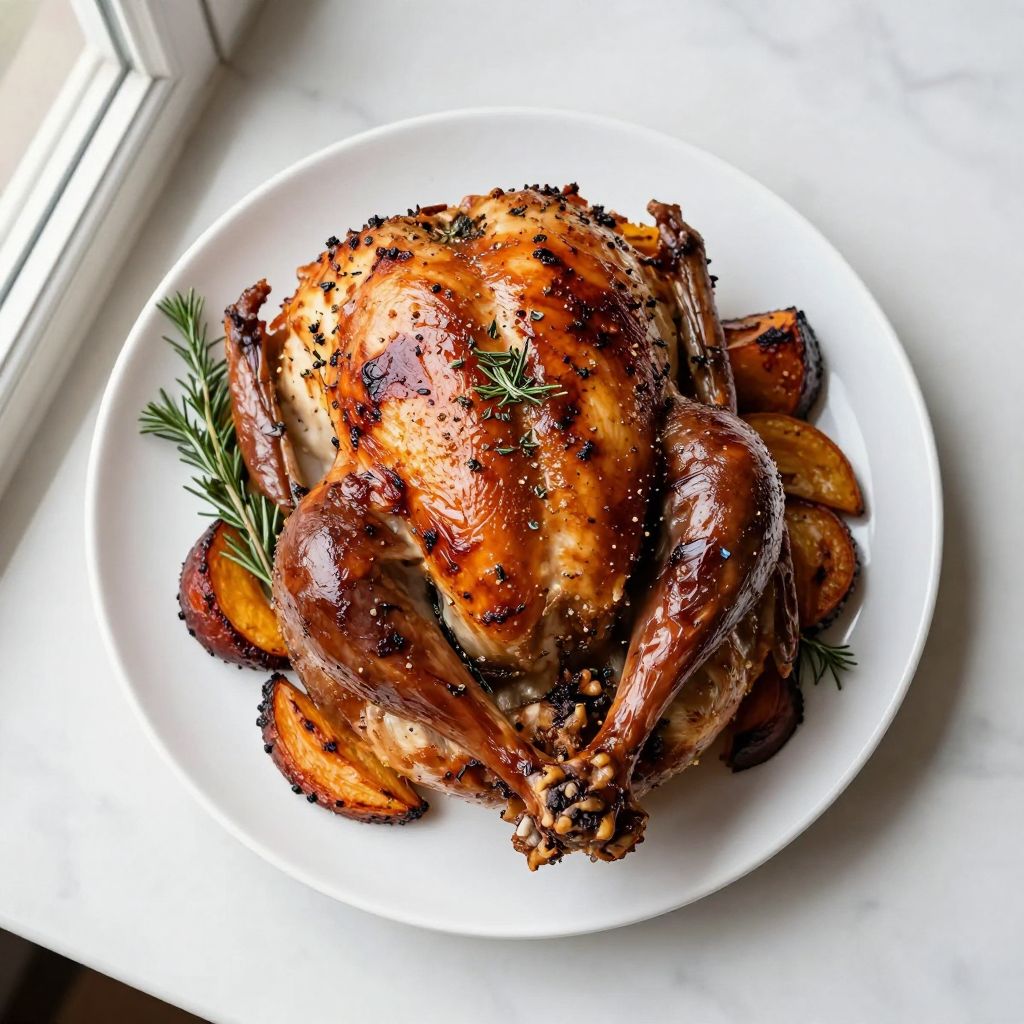
Homemade Turkey Rub
Ingredients
Equipment
Method
- Gather all spices and equipment in one place.
- Combine brown sugar, kosher salt, smoked paprika, garlic powder, onion powder, black pepper, dried thyme, dried sage, dried rosemary, and cayenne pepper in a small mixing bowl.
- Whisk the mixture for 30 seconds to break up clumps and evenly distribute the spices.
- Check for any remaining clumps and crush them against the side of the bowl with a spoon if necessary.
- Taste a small pinch of the rub and adjust seasoning if desired.
- Pat the turkey dry with paper towels, inside and out.
- Apply the rub generously all over the turkey, using about two-thirds on the exterior and the remaining inside the cavity.
- Refrigerate the rubbed turkey uncovered for at least 2 hours or up to 24 hours before cooking.