
There’s nothing quite like the sizzle of a minute steak hitting a screaming hot skillet, filling your kitchen with that restaurant-quality aroma in seconds flat.
Minute steak is the weeknight hero that delivers steakhouse flavor without the fuss or the two-hour wait.
This recipe proves that tender, juicy steak doesn’t require expensive cuts or complicated techniques. A thin, pounded cut of beef cooks in under five minutes, making it perfect for busy nights when you crave something impressive but have minimal time.
The magic lies in high heat, proper seasoning, and knowing exactly when to stop cooking. Read on to master this quick classic.
Why You’ll Love This Recipe
Minute steak delivers restaurant-quality results in your own kitchen without the restaurant price tag or wait time.
- Ready in under 10 minutes from start to finish
- Uses affordable, readily available beef cuts like cube steak or round steak
- Produces a golden crust with a tender, juicy interior
- Naturally suits simple seasonings or bold flavor combinations
- Scales easily from a solo dinner to feeding a crowd
My Experience Making This Recipe
I first made minute steak on a random Tuesday when I had thirty minutes to get dinner on the table and a freezer full of thin-cut round steaks. The result surprised me: crispy edges, buttery centers, and a flavor that rivaled steaks I’d paid three times as much for at restaurants.
What struck me most was how forgiving the cooking process felt once I understood the heat requirement. A properly preheated skillet does almost all the work, and the meat cooks so quickly you barely have time to step away.
My family devoured these steaks and asked for them weekly. Now it’s a staple I make when I want something special but refuse to spend my entire evening cooking.
Recipe Overview
- Recipe Name: Minute Steak
- Servings: 2
- Prep Time: 5 minutes
- Cook Time: 4 minutes
- Total Time: 9 minutes
- Course: Main Course
- Cuisine: American
- Calories per Serving: 280
Equipment You Will Need
- Cast iron skillet or heavy-bottomed stainless steel skillet
- Instant-read meat thermometer
- Tongs for flipping
- Small bowl for seasoning mix
- Paper towels
- Cutting board
Ingredients for Minute Steak
- 2 minute steaks (cube steak or thin-cut round steak, about 4 ounces each and 1/4 inch thick)
- 1 teaspoon kosher salt
- 1/2 teaspoon freshly ground black pepper
- 1/4 teaspoon garlic powder
- 2 tablespoons unsalted butter
- 2 cloves garlic, minced (optional)
- 1/2 teaspoon fresh thyme or dried thyme (optional)
Ingredient Notes and Substitutions
- Minute steaks: These are thin-cut beef pieces that cook quickly without tenderizing. If unavailable, use thin-cut round steak or ask your butcher to pound regular round steak to 1/4 inch thickness. You could also use thin sirloin or chuck steak as a budget alternative.
- Kosher salt: Kosher salt has larger crystals and distributes more evenly than table salt for better seasoning control. Table salt works but use slightly less, about 3/4 teaspoon, to avoid over-salting.
- Black pepper: Fresh cracked pepper delivers more flavor and aroma than pre-ground. Pre-ground pepper is fine but adds less punch to the finished steak.
- Butter: Butter creates the rich, brown crust and adds flavor. Ghee works equally well and has a higher smoke point if you prefer.
- Garlic and thyme: These aromatics add depth but are optional if you prefer a cleaner beef flavor. Fresh rosemary or smoked paprika make excellent substitutes.
How to Make Minute Steak
Step 1: Pat the Steaks Dry
Remove your minute steaks from the refrigerator and pat them completely dry with paper towels. Moisture on the surface creates steam rather than a golden crust, so this step matters more than it seems.
Step 2: Season the Steaks
Combine kosher salt, black pepper, and garlic powder in a small bowl and mix well. Sprinkle the seasoning evenly on both sides of each steak, pressing gently so it adheres.
Step 3: Heat Your Skillet
Place your cast iron or heavy-bottomed skillet over high heat and let it preheat for 2 to 3 minutes until it’s smoking slightly. A properly heated pan is the secret weapon for a perfect crust without overcooking the interior.
Step 4: Add Butter and Aromatics
Once the skillet is smoking, add the butter and let it melt and foam. If using garlic and thyme, add them now and let them bloom in the butter for about 10 seconds until fragrant.
Step 5: Sear the First Side
Place the steaks in the butter and resist the urge to move them for exactly 1 to 2 minutes. This direct contact with the hot pan creates a flavorful crust through a process called the Maillard reaction.
Step 6: Flip and Cook the Second Side
Use tongs to flip the steaks and cook the other side for 1 to 2 minutes for medium-rare doneness. The total cooking time should not exceed 4 minutes or the steaks will dry out.
Step 7: Check Internal Temperature
Insert an instant-read thermometer into the thickest part of each steak and check for 130 to 135 degrees Fahrenheit for medium-rare. Remember the steak will continue cooking slightly after you remove it from heat.
Step 8: Rest and Serve
Transfer the steaks to a warm plate and let them rest for 2 to 3 minutes before serving. Resting allows the juices to redistribute throughout the meat rather than running onto your plate.
Pro Tip: Don’t flip your steaks more than once. Multiple flips interrupt crust formation and cause the meat to cook unevenly.
Tips for the Best Minute Steak
- Use a meat thermometer instead of guessing by touch or cutting into the steak. This ensures perfect doneness every single time without relying on experience or feel.
- Remove steaks from the refrigerator 10 minutes before cooking so they reach room temperature. Cold meat cooks unevenly with a gray band of overcooked meat between the crust and tender center.
- Don’t skip the high heat preheating step no matter how impatient you feel. A room-temperature skillet produces steamed meat instead of seared steak.
- Taste one steak before serving and adjust seasoning on the plate with fleur de sel or fresh pepper. This lets each person customize their portion to preference.
- Use butter in the final cooking step rather than oil for superior flavor. Butter has a lower smoke point but imparts richness that oil never will.
- Keep your skillet uncrowded by cooking steaks in batches if serving more than two people. Crowding lowers the pan temperature and prevents proper browning.
Common Mistakes to Avoid
- Cooking straight from the refrigerator causes uneven cooking and gray bands inside the meat. Always let steaks sit at room temperature for 10 minutes first.
- Using low to medium heat produces pale, steamed meat instead of a flavorful crust. High heat is non-negotiable for minute steak success.
- Moving the steaks constantly prevents crust formation and extends cooking time unnecessarily. Let them sit untouched on the first side for a full 1 to 2 minutes.
- Overcooking past medium-rare dries out these thin cuts completely. Stay vigilant and pull them off heat at 130 to 135 degrees for juicy results.
- Skipping the rest period causes all the juices to escape onto the plate. Three minutes of resting makes an enormous difference in juiciness and tenderness.
Serving Suggestions
Minute steak shines with simple sides that let the beef flavor take center stage. The quick cooking time means you can have a complete meal ready in under 15 minutes.
- Creamy mashed potatoes and roasted asparagus for a classic steakhouse dinner
- Buttered egg noodles and sauteed spinach for comfort food done right
- Crispy french fries and a simple green salad for casual elegance
- Roasted garlic cauliflower and crusty bread for a lighter approach
- Creamed mushrooms and fresh green beans for rich, earthy flavors
Variations to Try
- Pan Sauce: After removing the steaks, add 1/4 cup beef broth and 2 tablespoons balsamic vinegar to the hot skillet, scraping up browned bits. Simmer for 1 minute, finish with a pat of cold butter, and pour over the steaks for restaurant-quality richness.
- Cajun Spiced: Replace the basic seasoning with a mixture of paprika, cayenne, garlic powder, onion powder, and dried thyme for bold, spicy heat. This variation pairs beautifully with creamy cauliflower mash or cajun rice.
- Asian Inspired: Marinate the steaks in a mixture of soy sauce, ginger, garlic, and sesame oil for 15 to 30 minutes before cooking. Serve with stir-fried broccoli and jasmine rice for an East-meets-West dinner.
- Herb Crusted: Mix chopped fresh parsley, rosemary, and thyme with panko breadcrumbs and press onto the butter-coated steaks just before cooking. This adds textural contrast and fresh herbal notes.
- Blue Cheese Butter: Top finished steaks with a pat of blue cheese butter made from softened butter mixed with crumbled blue cheese and fresh chives. The melting cheese creates an indulgent finishing touch.
Dietary Adaptations
- Gluten-free: This recipe is naturally gluten-free with no modifications needed. All ingredients contain no gluten or hidden gluten-containing additives.
- Dairy-free: Replace butter with avocado oil or ghee for cooking while maintaining the searing capability. You lose some richness but gain a cleaner beef flavor.
- Keto and Low-Carb: Minute steak is perfect for keto eating with zero carbohydrates in the steak itself. Pair with cauliflower mash or roasted low-carb vegetables to stay well within carb limits.
- Vegan and Vegetarian: This recipe cannot be veganized or vegetarianized as written. Try a hearty mushroom steak or plant-based meat alternative for a similar quick-cooking experience.
Storage and Reheating
Refrigerator
Store cooked minute steaks in an airtight container on the bottom shelf of the refrigerator for up to 3 days. Keep them away from other foods to prevent any cross-contamination or odor transfer.
- Let steaks come to room temperature before reheating for more even warming
- Store any pan sauce separately in its own container
- Don’t let raw steaks sit in the refrigerator for more than 48 hours before cooking
Freezer
Frozen minute steaks keep for up to 3 months when wrapped tightly and stored in an airtight freezer bag. Cooked steaks lose some texture quality when frozen but remain safe to eat.
- Freeze raw steaks in a single layer on a baking sheet before transferring to a freezer bag to prevent sticking
- Label bags with the date so you remember how long they’ve been frozen
- Never refreeze thawed steaks that have been left at room temperature
Reheating
The best reheating method is a hot skillet for 1 to 2 minutes per side to restore the crust and warmth without further cooking the interior. Thaw frozen steaks completely in the refrigerator before reheating.
- Microwave reheating dries out thin steaks and should be avoided if possible
- A warm oven at 275 degrees works well for batch reheating multiple steaks slowly
- Never reheat steaks to a temperature higher than their original doneness level
Nutrition Information
| Nutrient | Amount |
|---|---|
| Calories | 280 |
| Total Fat | 15g |
| Saturated Fat | 7g |
| Carbohydrates | 0g |
| Fiber | 0g |
| Sugar | 0g |
| Protein | 35g |
| Sodium | 480mg |
| Cholesterol | 75mg |
These values are estimates based on standard USDA nutrition databases and may vary based on exact cuts, trim levels, and cooking method variations. Nutritional content increases with added pan sauces or side dishes.
Frequently Asked Questions
Can I use regular round steak instead of cube steak?
Yes, regular round steak works fine if your butcher pounds it to 1/4 inch thickness. Ask at the meat counter and most butchers will do this for free.
What’s the difference between minute steak and cube steak?
Cube steak comes pre-pounded by the butcher using a special machine that creates tiny indentations. Minute steak refers to any thin-cut beef that cooks quickly, so they’re often the same cut with different names.
Can I make this ahead of time?
You can’t truly “make ahead” seared steak and have it taste fresh, but you can prep everything and cook it when needed. Pat the steaks dry and season them up to an hour before cooking for best results.
Why did my steak turn gray instead of brown?
Gray steaks usually indicate insufficient heat or wet meat when cooking began. Make sure your skillet is screaming hot before adding the steaks and always pat them completely dry first.
How do I know when the steak is done without cutting into it?
Use an instant-read meat thermometer inserted into the thickest part of the steak. Aim for 130 to 135 degrees Fahrenheit for medium-rare, which is the sweet spot for tenderness and juiciness.
Can I cook these in a regular non-stick pan?
Non-stick pans don’t get hot enough to create a proper crust and aren’t recommended. Cast iron or heavy stainless steel skillets hold heat much better and deliver superior browning.
What if I want my steak more well-done?
You can cook it to medium (140 to 145 degrees) or medium-well (150 to 160 degrees), but thin steaks lose moisture rapidly when cooked beyond medium-rare. Thicker cuts handle higher temperatures better.
Final Thoughts
Minute steak proves that you don’t need fancy ingredients, expensive cuts, or hours of cooking time to create something truly delicious. A hot skillet, proper seasoning, and a little confidence are all you need.
Make this recipe tonight and discover why it’s become my favorite quick dinner solution. Once you master the technique, you’ll find yourself reaching for it again and again on busy weeknights when you want something special fast.
Explore More Beef Recipes
If you loved this quick beef recipe, explore more satisfying options in our beef collection that deliver impressive flavor in minimal time.
Try hamburger steak for another budget-friendly weeknight favorite that’s just as quick and filling. For something richer and more indulgent, steak alfredo offers creamy, elegant comfort food that still comes together faster than most restaurant versions.
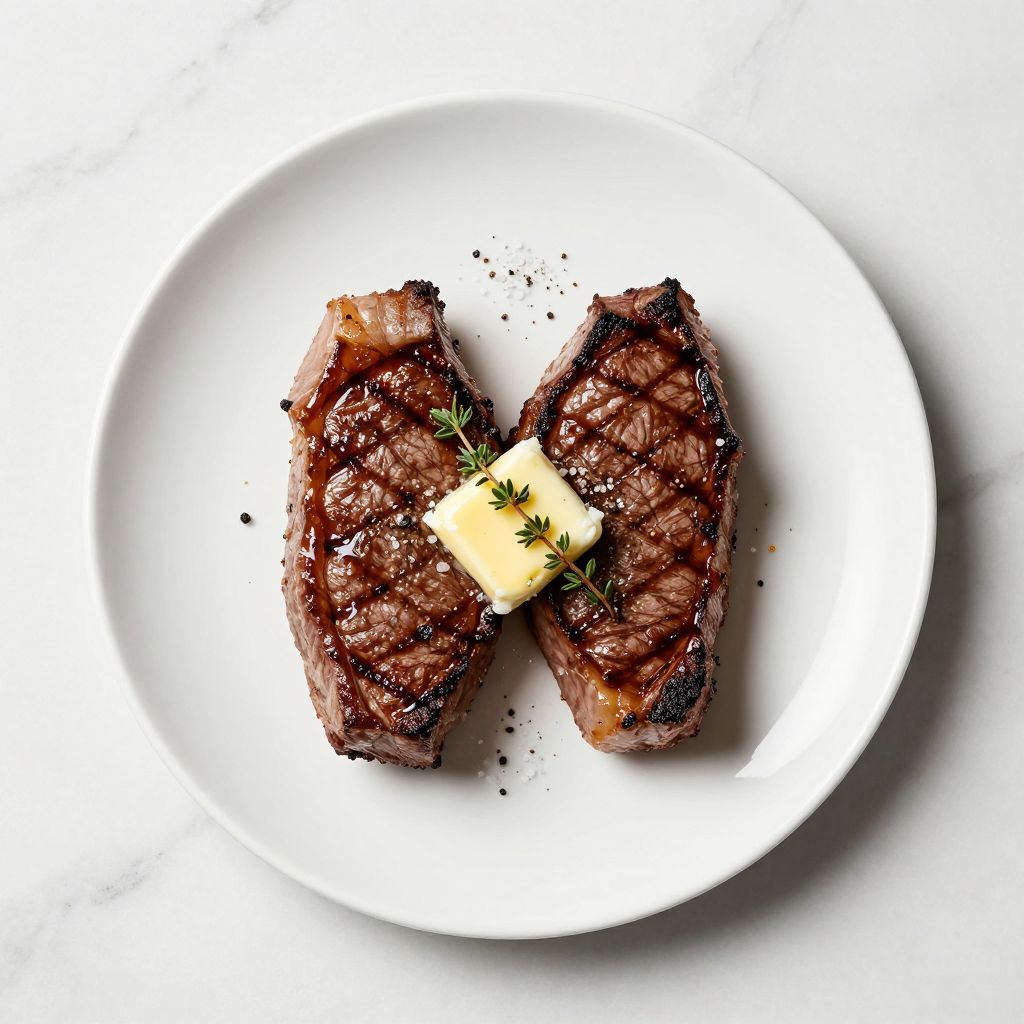
Minute Steak
Ingredients
Equipment
Method
- Pat the steaks completely dry with paper towels to remove surface moisture.
- Combine 1 teaspoon kosher salt, 1/2 teaspoon freshly ground black pepper, and 1/4 teaspoon garlic powder in a small bowl and sprinkle evenly on both sides of each steak, pressing gently to adhere.
- Preheat a cast iron or heavy-bottomed stainless steel skillet over high heat for 2 to 3 minutes until it is smoking slightly.
- Add 2 tablespoons unsalted butter to the skillet and let it melt and foam, then add minced garlic and thyme if using, and cook for about 10 seconds until fragrant.
- Place the steaks in the skillet and sear the first side without moving for 1 to 2 minutes to develop a golden crust.
- Use tongs to flip the steaks and cook the second side for 1 to 2 minutes for medium-rare doneness.
- Insert an instant-read meat thermometer into the thickest part of the steak; aim for an internal temperature of 130 to 135°F (54 to 57°C).
- Transfer the steaks to a warm plate and let them rest for 2 to 3 minutes before serving to allow the juices to redistribute.