
There’s something quietly rebellious about cooking with dandelion greens, those leafy weeds that most people spend their weekends yanking from their lawns.
Once you taste dandelion greens sautéed with garlic and a splash of vinegar, you’ll understand why they’ve graced dinner tables for centuries across Europe and beyond.
This recipe transforms a humble green into something genuinely crave-worthy: slightly bitter, deeply savory, and ready in under 20 minutes.
Whether you’re foraging from your yard or buying them fresh at the farmer’s market, this is the recipe that makes you fall in love with their sharp, mineral-forward flavor.
Why You’ll Love This Recipe
Dandelion greens deliver bold flavor without any fussiness, and this simple sauté lets them shine.
- Ready in 15 minutes from start to finish
- Uses just 6 ingredients, most likely already in your kitchen
- Naturally packed with iron, calcium, and vitamins A and C
- Works as a side dish or stirred into grains, soups, and pasta
- Budget-friendly, especially if you forage locally
My Experience Making This Recipe
I first made this at a friend’s cottage where dandelions grew wild in the yard, and we picked a basket of tender young leaves on a sunny afternoon.
Sautéing them with red pepper flakes and a knob of garlic transformed them into something so savory and complex that my skeptical friend asked for seconds.
Since then, I’ve made this dozens of times, sometimes adding a squeeze of lemon, sometimes tossing them with pasta and anchovy oil.
The key is not overthinking it: dandelion greens want heat, fat, and a little acid to balance their natural bitterness.
Recipe Overview
- Recipe Name: Sautéed Dandelion Greens with Garlic
- Servings: 4 as a side dish
- Prep Time: 5 minutes
- Cook Time: 10 minutes
- Total Time: 15 minutes
- Course: Side Dish
- Cuisine: Italian-inspired
- Calories per Serving: 95
Equipment You Will Need
- Large colander for washing greens
- Cutting board
- Sharp knife
- Large skillet or sauté pan
- Wooden spoon or spatula
- Measuring spoons
- Tongs or cooking fork
Ingredients for Sautéed Dandelion Greens
- 1 pound fresh dandelion greens, roughly chopped
- 3 tablespoons extra-virgin olive oil
- 4 cloves garlic, thinly sliced
- 1/4 teaspoon red pepper flakes
- 1/2 teaspoon kosher salt
- 1 tablespoon red wine vinegar or lemon juice
Ingredient Notes and Substitutions
- Fresh dandelion greens: Young, tender leaves deliver a milder bite than mature ones. If you can’t find them locally, use tender chicory or mustard greens, which have a similar pleasantly bitter quality.
- Extra-virgin olive oil: Its fruity richness complements the greens’ earthiness. Substitute with avocado oil or walnut oil if you prefer a different flavor profile.
- Garlic: Fresh garlic adds pungent aromatics that balance the bitterness. Garlic powder (1/4 teaspoon) works in a pinch but won’t deliver the same depth.
- Red pepper flakes: These add gentle heat and complexity. Leave them out for a milder version, or swap in fresh chili for a sharper kick.
- Red wine vinegar: Its sharpness cuts through the greens’ earthiness. Balsamic, apple cider, or fresh lemon juice all work beautifully depending on your mood.
How to Make Sautéed Dandelion Greens
Rinse your dandelion greens thoroughly in a large colander under cold running water, rubbing them gently between your fingers to remove any grit or soil.
Shake off excess water and roughly chop them into 2-inch pieces, discarding any yellowed or damaged leaves.
Step 1: Wash and Prepare the Greens
Pat the greens dry with a clean kitchen towel or paper towels, or spin them in a salad spinner if you have one.
Removing moisture prevents spattering and helps the greens cook faster and develop better texture.
Step 2: Dry the Greens
Peel your garlic cloves and slice them thinly, about 1/8 inch thick, keeping them roughly uniform in size so they cook evenly.
Sliced garlic infuses the oil more gradually than minced garlic, giving you a more nuanced, less harsh flavor.
Step 3: Slice the Garlic
Place your skillet over medium heat and add the olive oil, letting it heat for about 1 minute until it shimmers and moves freely across the pan.
Hot oil helps the garlic toast gently and prevents sticking later.
Step 4: Heat the Oil
Add the sliced garlic and red pepper flakes to the hot oil, stirring constantly for about 1 to 2 minutes until the garlic turns golden and fragrant.
Watch it carefully so it doesn’t burn; burnt garlic tastes acrid and bitter in a bad way, totally different from the pleasant bitterness of the greens.
Step 5: Toast the Garlic and Red Pepper Flakes
Carefully add all the dandelion greens to the pan at once, using tongs to gently fold them into the garlicky oil.
The greens will seem like too much at first, but they’ll wilt significantly within the first minute or so.
Step 6: Add the Greens
Continue cooking, stirring occasionally, for 5 to 7 minutes until the greens are completely wilted and tender but still bright green.
The stems should bend easily when pierced with a fork but retain a slight chew, not turn to mush.
Step 7: Sauté Until Tender
Add the kosher salt and red wine vinegar, tossing everything together until well combined.
Taste and adjust: add more salt if needed, or more vinegar if you want more punch.
Pro Tip: Don’t skip the acid. The vinegar or lemon juice cuts through the greens’ earthiness and natural bitterness, making each bite feel brighter and more complex.
Tips for the Best Sautéed Dandelion Greens
- Choose young, tender dandelion greens if possible: they’re less bitter and more tender than mature leaves. Look for leaves that are bright green and crisp at farmers markets or specialty stores.
- Don’t overcrowd the pan: if you’re cooking a double batch, work in two phases rather than stuffing everything in at once, which causes steaming instead of sautéing.
- Taste as you go: the greens’ bitterness varies by season and variety, so adjust salt and acid to your preference before serving.
- Keep the heat at medium or medium-high: too low and the greens steam rather than sauté, losing that golden, slightly caramelized edge.
- Serve immediately: dandelion greens taste best eaten right away while they’re still warm and their edges are slightly crispy.
- Make a double batch: these keep beautifully in the fridge and taste great cold or reheated, tossed with pasta or grains the next day.
Common Mistakes to Avoid
- Skipping the rinse: dandelion greens grow close to the soil and trap grit easily, so thorough washing is non-negotiable or you’ll have crunchy bits of sand between your teeth.
- Burning the garlic: once garlic turns dark brown, it tastes bitter and ruins the whole dish, so watch it like a hawk during those first couple of minutes.
- Adding cold greens straight from a wet wash: this temperature shock causes excessive spattering and uneven cooking, so take a moment to pat them dry first.
- Cooking too long: overdone dandelion greens turn dark olive-green, lose their texture, and taste mushy rather than pleasantly tender.
Serving Suggestions
These greens shine alongside rich proteins and alongside grains that soak up their garlicky oil.
- Serve alongside roasted chicken thighs or pan-seared salmon
- Toss with warm pasta, a knob of butter, and grated Pecorino Romano
- Spoon over creamy polenta or soft scrambled eggs for breakfast
- Layer into a grain bowl with farro, roasted beets, and crumbled feta cheese
- Serve as part of an antipasto spread alongside cured meats and crusty bread
Variations to Try
- With anchovies: add 2 to 3 anchovy fillets to the oil before adding the garlic, letting them dissolve into a savory umami base that makes the greens taste restaurant-quality.
- With hazelnuts: toast 1/4 cup chopped hazelnuts separately and toss them in at the end for a nutty richness and satisfying crunch.
- With balsamic glaze: drizzle 1 tablespoon aged balsamic over the finished greens just before serving for deeper sweetness and complexity.
- With raisins and pine nuts: add 3 tablespoons golden raisins and 2 tablespoons toasted pine nuts for a sweet-savory Sicily-inspired take that plays beautifully against the bitterness.
- With crispy bacon: cook 3 strips of bacon until crispy, crumble it, and scatter it over the greens with a drizzle of the bacon fat for smoky richness.
Dietary Adaptations
- Gluten-free: this recipe is naturally gluten-free as written, making it safe for anyone avoiding gluten or managing celiac disease.
- Dairy-free: already dairy-free, though if you pair it with pasta or grains, use olive oil or dairy-free butter for dressing them.
- Vegan and vegetarian: completely plant-based as written, needing no changes.
- Low-carb and keto: dandelion greens are naturally very low in carbs, making this an ideal keto side dish that won’t impact ketosis.
Storage and Reheating
Refrigerator
Transfer cooled dandelion greens to an airtight container and store for up to 3 days.
- Eat cold straight from the container as a salad or side
- Reheat gently in a skillet over low heat with a splash of water if they seem dry
- Toss into soups or grain bowls without reheating for a quick nutritious boost
Freezer
Dandelion greens don’t freeze particularly well because they become mushy when thawed, so I recommend eating them fresh or storing in the fridge instead.
- If you must freeze, cool completely, portion into freezer bags, and use within 2 months
- Thawed greens work best folded into soups, pasta sauces, or grain dishes where texture matters less
Reheating
Gently warm leftovers in a skillet over medium-low heat for 2 to 3 minutes, stirring occasionally.
- Add a tablespoon of water if the greens seem dry
- Don’t use the microwave, which makes them tough and unpleasant
Nutrition Information
| Nutrient | Amount |
|---|---|
| Calories | 95 |
| Total Fat | 10.5 g |
| Saturated Fat | 1.5 g |
| Carbohydrates | 2 g |
| Fiber | 1.5 g |
| Sugar | 0.5 g |
| Protein | 4 g |
| Sodium | 290 mg |
| Cholesterol | 0 mg |
These values are approximate and calculated using standard USDA nutritional databases for the ingredients listed.
Frequently Asked Questions
Can I use frozen or canned dandelion greens?
Frozen dandelion greens work in a pinch, though they’ll be softer and less vibrant than fresh. Thaw them fully, squeeze out excess moisture, and skip the initial cooking time since they’re already tender.
Where do I find fresh dandelion greens?
Look for them at farmers markets, specialty produce stores, and some conventional grocery stores, especially during spring and early summer. You can also forage them from pesticide-free areas of your yard or local parks, harvesting young leaves before the plant flowers.
How do I make this recipe less bitter?
Choose very young, tender dandelion greens rather than mature ones, blanch them briefly in boiling salted water before sautéing to reduce bitterness, or add a teaspoon of honey or a pinch of sugar to balance the flavor.
Can I make this ahead of time?
Yes, cook the greens up to 3 days in advance and store them in an airtight container in the refrigerator. Reheat gently before serving, or serve them cold.
What’s the difference between dandelion greens and other bitter greens?
Dandelion greens have a mineral, slightly herbaceous quality that’s distinct from the smoky bitterness of radicchio or the peppery bite of arugula. They pair beautifully with garlic and acid in a way that other greens sometimes don’t.
Can I use dandelion greens in salad instead of cooking them?
Absolutely, though very young leaves are best for raw salads since they’re more tender. Dress them with a bold vinaigrette that stands up to their assertive flavor.
Final Thoughts
This dandelion greens recipe is proof that the simplest dishes often taste the best. With just six ingredients and 15 minutes, you transform foraged greens into something genuinely memorable.
Stop letting those dandelions go to waste in your yard, or seek them out at your local farmer’s market. One bite of this garlicky, slightly spicy sauté and you’ll join the ranks of dandelion devotees who can’t get enough.
Explore More Green Recipes
If you love bold, leafy greens with serious personality, check out some of my other favorite vegetable side dishes.
Try my gumbo greens recipe for a Southern-inspired approach to cooking down greens with spice and soul, or explore my wilted lettuce recipe for another quick and elegant way to transform humble garden vegetables into restaurant-quality sides.
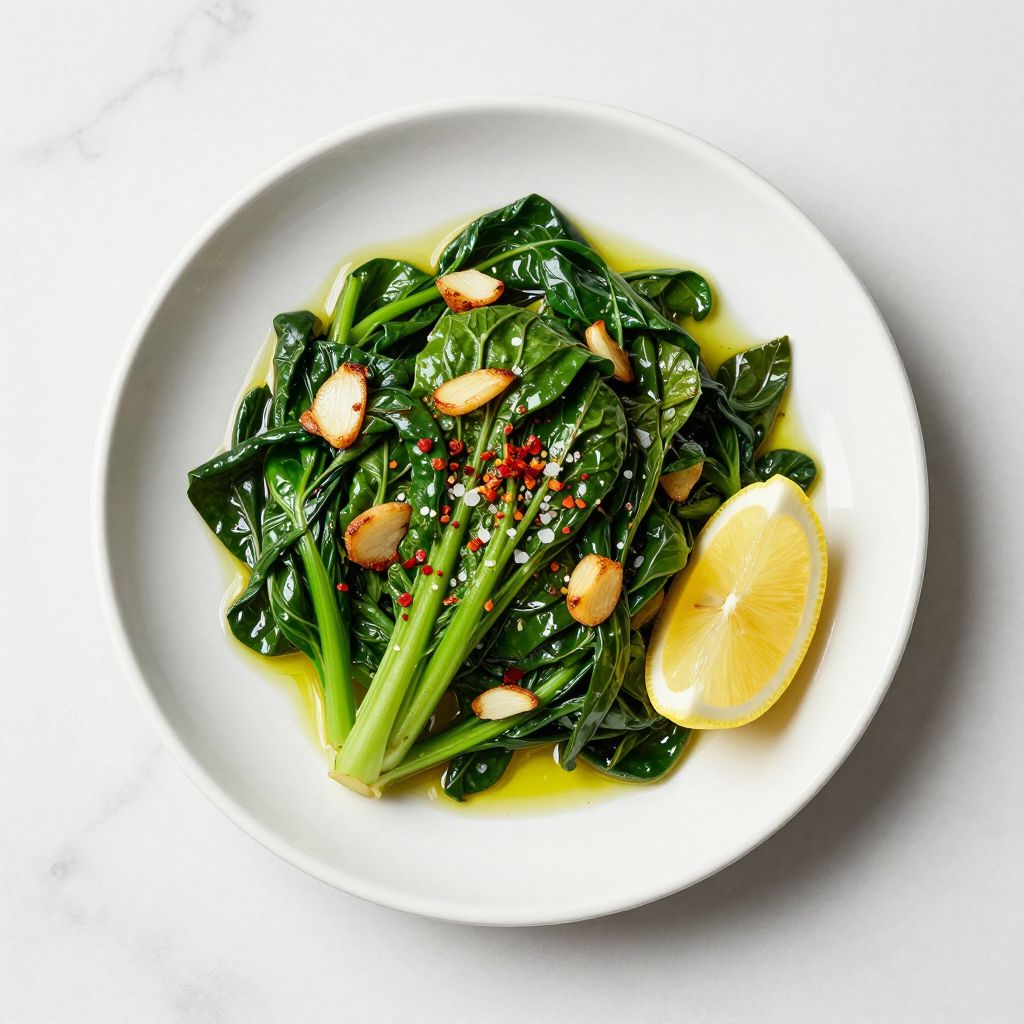
Sautéed Dandelion Greens with Garlic
Ingredients
Equipment
Method
- Rinse the dandelion greens thoroughly in a large colander under cold running water to remove grit.
- Shake off excess water and pat the greens dry with a clean kitchen towel or paper towels.
- Peel and thinly slice 4 garlic cloves, about 1/8 inch thick, keeping slices uniform.
- Heat 3 tablespoons of extra-virgin olive oil in a large skillet over medium heat for about 1 minute until shimmering.
- Add the sliced garlic and 1/4 teaspoon red pepper flakes, stirring constantly for 1 to 2 minutes until garlic is golden and fragrant.
- Add all the dandelion greens to the skillet and use tongs to fold them into the oil, allowing them to wilt.
- Continue sautéing for 5 to 7 minutes, stirring occasionally, until the greens are tender but still bright green.
- Season with 1/2 teaspoon kosher salt and 1 tablespoon red wine vinegar or lemon juice, tossing to combine.
- Taste and adjust seasoning, adding more salt or acid if desired, then serve immediately.