
The aroma of garlic, shallots, and herbs hitting hot oil is pure kitchen magic, and that’s exactly what you get when you make epis. This Caribbean seasoning paste transforms simple proteins and vegetables into something restaurant-quality with minimal effort.
Epis is a traditional Haitian and Caribbean flavor base that works as a shortcut to depth, replacing hours of layering spices with one potent mixture you make fresh in minutes. It’s garlicky, herbaceous, and packs enough punch to elevate rice, beans, chicken, fish, or vegetables without any fuss.
Why You’ll Love This Recipe
This paste opens doors to authentic Caribbean cooking without requiring a specialty grocery run or complicated techniques. You probably have most ingredients in your kitchen right now.
- Makes 5 to 6 servings of seasoning base that keeps in the fridge for weeks
- Ready in under 10 minutes with just a food processor or blender
- Packed with fresh herbs and aromatics that brighten any dish
- Works for marinating, cooking, or stirring into soups and stews
- Cost-effective and more flavorful than jarred seasoning mixes
My Experience Making This Recipe
I first made epis to season rice for a weeknight dinner, and the result was so good I started batch-making it on Sundays. The kitchen filled with this herbaceous, garlicky smell that made my family gather in the kitchen asking questions.
What surprised me most was how a small spoonful transformed bland chicken into something my pickiest eater actually cleaned his plate for. I’ve since used it on roasted vegetables, in soups, and even mixed into plain yogurt as a dip.
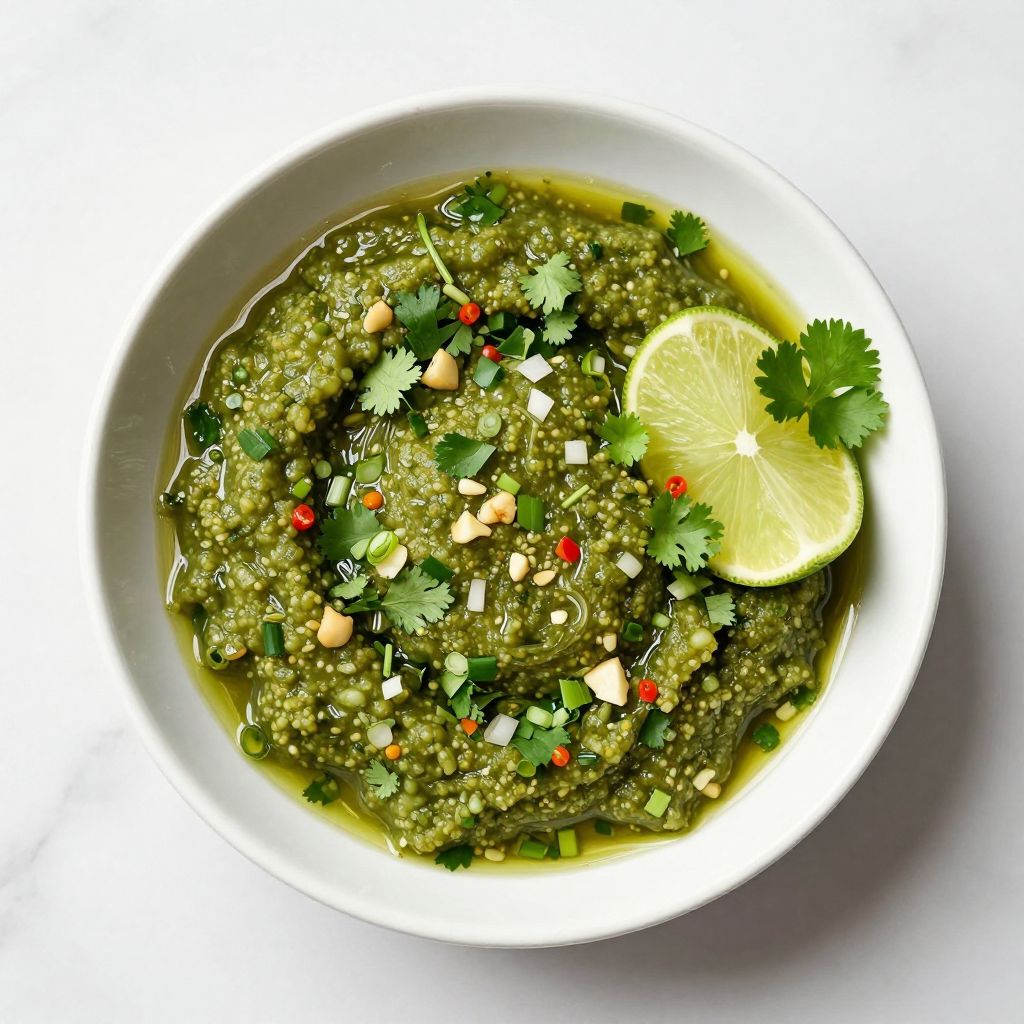
The texture is rough and chunky, not smooth, which I actually prefer because you see the fresh herbs and know exactly what went into it. Once I started keeping a batch in the fridge, cooking became faster and more flavorful without any extra work.
Recipe Overview
- Recipe Name: Epis Seasoning Paste
- Servings: 5 to 6 servings of seasoning base
- Prep Time: 8 minutes
- Cook Time: 0 minutes
- Total Time: 8 minutes
- Course: Seasoning
- Cuisine: Caribbean, Haitian
- Calories per Serving: 35 calories
Equipment You Will Need
- Food processor or blender
- Cutting board
- Sharp knife
- Measuring spoons and cups
- Glass jars for storage
- Rubber spatula
Ingredients for Epis
- 1 bunch fresh cilantro, roughly chopped (about 1 cup packed)
- 1 bunch fresh flat-leaf parsley, roughly chopped (about 1 cup packed)
- 4 scallions, white and light green parts, chopped
- 6 cloves garlic, peeled and smashed
- 1 medium shallot, peeled and quartered
- 1 to 2 habanero or Scotch bonnet peppers, seeded and chopped (adjust for heat)
- 1 tablespoon fresh lime juice
- 1 teaspoon salt
- 1/2 teaspoon black pepper
- 2 tablespoons vegetable oil
Ingredient Notes and Substitutions
- Cilantro: Provides a fresh, slightly citrusy base that defines epis flavor. Substitute with extra parsley if cilantro isn’t available, though the flavor shifts toward earthiness.
- Flat-leaf parsley: Adds herbal depth without the numbing effect some experience with cilantro. Curly parsley works but delivers less robust flavor.
- Scallions: Bring mild onion flavor that rounds out the paste without overpowering heat. Replace with chives in a pinch, though they are less assertive.
- Habanero or Scotch bonnet peppers: These bring authentic Caribbean heat and fruity undertones to epis. Use jalapeños for mild heat or bell peppers for no heat, understanding the flavor profile changes significantly.
- Lime juice: Cuts through richness and preserves the fresh herb color. Lemon juice works as a substitute with slightly less tropical brightness.
- Vegetable oil: Creates a paste consistency and helps preserve the mixture. Coconut oil adds Caribbean authenticity and keeps the paste cohesive when refrigerated.
How to Make Epis
Step 1: Prep Your Herbs and Aromatics
Rinse your cilantro, parsley, and scallions under cold water and pat them dry completely. Wet herbs break down differently in the food processor and can turn watery rather than staying chunky.
Step 2: Roughly Chop Everything
Chop cilantro and parsley into roughly 1-inch pieces, cut scallions into 1-inch segments, quarter the shallot, and smash your garlic cloves with the side of a knife. Pre-chopping makes the food processor work faster and more evenly.
Step 3: Seed and Prep Your Peppers
Cut your habanero or Scotch bonnet peppers in half lengthwise and scrape out the seeds and white membranes with a spoon. This reduces heat while keeping the fruity pepper flavor; wear gloves to avoid burning your hands.
Step 4: Add Herbs to the Processor
Place cilantro, parsley, and scallions into your food processor first. Processing delicate herbs separately prevents them from becoming paste before the harder ingredients are broken down.
Step 5: Add the Aromatics and Peppers
Add smashed garlic, quartered shallot, and chopped habanero to the processor. Garlic and shallots release their oils faster than herbs and vegetables, so adding them mid-process prevents over-breakdown.
Step 6: Pulse Until Chunky
Pulse the mixture 8 to 10 times, scraping down the sides between pulses, until everything is chopped but still visibly chunky. Epis should look textured and rough, not like a smooth puree.
Step 7: Add Lime Juice and Seasonings
Add lime juice, salt, and black pepper to the processor and pulse 2 to 3 times to combine. The acid brightens flavors and helps preserve the green color of your herbs.
Step 8: Drizzle in the Oil
With the processor running, slowly drizzle in vegetable oil until the mixture reaches a paste-like consistency that holds together but still shows texture. Oil helps the paste cling to food and extends shelf life.
Step 9: Taste and Adjust
Spoon a tiny amount onto your tongue and assess the flavor and heat level. Add more salt, lime juice, or finely minced habanero if needed.
Pro Tip: Make epis in a batch on Sunday and store it in a glass jar with a thin layer of oil on top to keep it fresh all week. You’ll find yourself seasoning everything.
Tips for the Best Epis
- Use fresh herbs within a few days of purchase for the brightest, most vibrant paste. Older herbs taste duller and create a darker, less appetizing final product.
- Pat herbs completely dry after rinsing, which prevents excess water from making the paste runny. A salad spinner works great for this step.
- Pulse rather than blend continuously to keep the texture chunky and prevent the herbs from oxidizing too quickly. Smooth paste tastes mushy and loses its fresh quality.
- Add peppers gradually and taste as you go if you’re sensitive to heat. You can always add more but you cannot remove habanero’s fire once it’s blended in.
- Store epis in small glass jars rather than plastic to prevent staining and better preserve flavor. The cool, dark environment of your refrigerator keeps it fresh longer.
- Use epis as a marinade base by mixing it with oil and vinegar, or stir it into soups and stews at the end for maximum flavor without cooking off the fresh notes.
Common Mistakes to Avoid
- Over-processing into a smooth puree loses the rustic texture and fresh herb appeal that makes epis special. Pulse until chunky, not until it looks like baby food.
- Skipping the lime juice creates a flat-tasting paste that lacks brightness. The acid is essential for preserving color and flavor balance.
- Not seeding your habaneros turns the paste aggressively hot and overpowers other flavors. Even heat-lovers prefer the fruity pepper taste to pure fire.
- Using wilted or old herbs results in dark, bitter-tasting epis that makes your food taste stale. Fresh is the entire point of making this from scratch.
- Forgetting to pat herbs dry leads to a watery consistency that doesn’t cling to food well and spoils faster in the fridge.
Serving Suggestions
Epis shines brightest when used as a flavor base for cooking, not as a finished condiment. Rub it on proteins before cooking, stir it into rice, or swirl it into soups for maximum impact.
- Mix with oil and vinegar to marinate chicken, fish, or shrimp for 2 to 4 hours before grilling
- Stir 2 to 3 tablespoons into white or brown rice while cooking for aromatic seasoned rice
- Add 1 to 2 tablespoons to black beans or kidney beans at the end of cooking for depth
- Spread on roasted vegetables like yams, carrots, or plantains just before serving
- Mix into soups, stews, or braises in the final minutes to preserve fresh herb flavor
Variations to Try
- Milder Epis: Replace habanero with red bell pepper or use only half a jalapeño for a gentler version that appeals to heat-sensitive eaters. The flavor shifts toward sweet pepper instead of fruity heat.
- Extra Garlic Epis: Add one or two more cloves of garlic for deeper, more assertive flavor that overpowers subtle proteins less. This version pairs beautifully with mild fish or chicken.
- Coconut Oil Epis: Substitute coconut oil for vegetable oil to add subtle tropical sweetness. This variation connects more strongly to traditional Caribbean cooking.
- Lime and Lemon Epis: Use half lime juice and half fresh lemon juice for more complex citrus notes. The brightness intensifies without becoming overwhelmingly acidic.
- Thyme and Bay Epis: Add 1 teaspoon dried thyme and 1 bay leaf to create an earthier paste that works especially well with stewed meats. Toast the bay leaf first for deeper flavor.
Dietary Adaptations
- Gluten-Free: Epis is naturally gluten-free as written, containing only fresh herbs, peppers, and oil. No adaptations needed for a gluten-free diet.
- Dairy-Free: This recipe contains no dairy and works perfectly for dairy-free eaters. Oil-based epis keeps refrigerated longer than any dairy-containing version would.
- Vegan and Vegetarian: Epis is completely plant-based as written and works beautifully for both diets. Use it to season vegetables, legumes, and plant-based proteins with the same flavor impact.
- Low-Carb and Keto: At 35 calories and fewer than 1 gram of carbs per serving, epis fits perfectly into low-carb and keto plans. Use it liberally on vegetables, proteins, and fats without carb concerns.
Storage and Reheating
Refrigerator
Store epis in an airtight glass jar with a thin layer of oil spread on top to prevent browning and oxidation. It keeps for 2 to 3 weeks when stored this way.
- Place parchment paper under the jar lid to prevent metal from reacting with acidic lime juice
- Use a clean spoon every time you scoop to prevent bacterial contamination
- The color will darken slightly over time, which is normal
Freezer
Epis freezes well in ice cube trays for convenient portioning. Pop out frozen cubes and store them in freezer bags for up to 3 months.
- Freeze in single-tablespoon portions for easy grab-and-go seasoning
- Thaw at room temperature for 15 to 20 minutes before using in cold applications
- Add frozen cubes directly to hot soups, stews, or cooking rice without thawing
Reheating
Epis doesn’t require reheating since you use it raw or add it to hot dishes. If stored cold, let it sit at room temperature for 10 minutes before using for best flavor release.
- Stir cold epis directly into hot rice, beans, or stews for immediate flavor integration
- Let room-temperature epis come to warm with hot food rather than applying cold paste to cold dishes
Nutrition Information
| Nutrient | Amount |
|---|---|
| Calories | 35 |
| Total Fat | 4g |
| Saturated Fat | 0.5g |
| Carbohydrates | 1g |
| Fiber | 0.3g |
| Sugar | 0.2g |
| Protein | 0.5g |
| Sodium | 380mg |
| Cholesterol | 0mg |
These values represent a single serving of epis used as a seasoning base and assume you use 1 to 2 tablespoons per meal. Actual intake will vary based on how generously you apply the paste to your food.
Frequently Asked Questions
Can I make epis without a food processor?
Yes, finely mince everything by hand with a sharp knife and combine in a bowl, then mash with a fork until it reaches a chunky paste consistency. A blender works if you pulse carefully and watch the texture closely to avoid over-processing.
How much epis should I use per serving?
Use 1 to 2 tablespoons per 1 cup of rice, per 1 pound of protein, or per 4 servings of vegetables depending on how bold you want the flavor. Start conservatively and add more if needed since it’s easier to add flavor than remove it.
Can I reduce or eliminate the habanero pepper?
Absolutely, this recipe scales to your heat tolerance. Use half a pepper for mild heat, a quarter for barely-there heat, or omit it entirely and add red bell pepper instead for sweetness without fire.
Is there a difference between Scotch bonnet and habanero peppers?
Both pack similar heat levels and fruity undertones, though Scotch bonnets are slightly hotter and more traditionally used in Caribbean cooking. Use them interchangeably in this recipe; the result tastes authentic either way.
What if my epis looks brown or darkened after a few days?
Slight darkening is normal as herbs oxidize in the refrigerator, but it still tastes great and is safe to eat. If it smells off or shows mold, discard it immediately.
Can I add other herbs like basil or oregano?
You can experiment with small amounts, but cilantro and parsley are the traditional Caribbean combination. Adding too many other herbs dilutes the authentic epis flavor and makes it taste like a generic herb paste.
How do I use epis as a marinade?
Mix 3 to 4 tablespoons epis with 2 tablespoons lime juice, 2 tablespoons olive oil, and 1 tablespoon vinegar to create a marinade for proteins. Marinate meat, chicken, or fish for 2 to 8 hours in the refrigerator before cooking.
Final Thoughts
Making epis from scratch transforms how you cook, turning ordinary weeknight meals into something vibrant and flavorful with minimal extra effort. Once you taste the difference between jarred spice blends and fresh epis, you’ll never go back.
Keep a batch in your fridge starting this week and watch how many dishes suddenly taste restaurant-quality. This simple Caribbean staple deserves space in every home cook’s kitchen rotation.
Explore more Caribbean-inspired recipes and seasonal cooking techniques to expand your kitchen repertoire. Discover how traditional seasoning pastes like epis pair with our apple pie filling recipe for unexpected sweet and savory combinations, or learn authentic preparation methods in our fry bread recipe for a complete Caribbean meal experience.
Epis Seasoning Paste
Ingredients
Equipment
Method
- Rinse cilantro, parsley, and scallions under cold water and pat dry completely.
- Roughly chop cilantro and parsley into 1-inch pieces, cut scallions into 1-inch segments, quarter the shallot, and smash garlic cloves.
- Cut habanero or Scotch bonnet peppers in half lengthwise and remove seeds and membranes.
- Place cilantro, parsley, and scallions into the food processor and pulse 3 to 4 times to break them down slightly.
- Add garlic, shallot, and peppers to the food processor and pulse 4 to 6 times until evenly chopped but still chunky.
- Add lime juice, salt, and black pepper, then pulse 2 to 3 times to combine the seasonings.
- With the processor running, slowly drizzle in vegetable oil until the mixture forms a paste-like consistency.
- Taste and adjust seasoning, adding more salt, lime juice, or pepper as desired.
- Transfer epis to a glass jar, cover with a thin layer of oil, and store in the refrigerator for up to 3 weeks.