
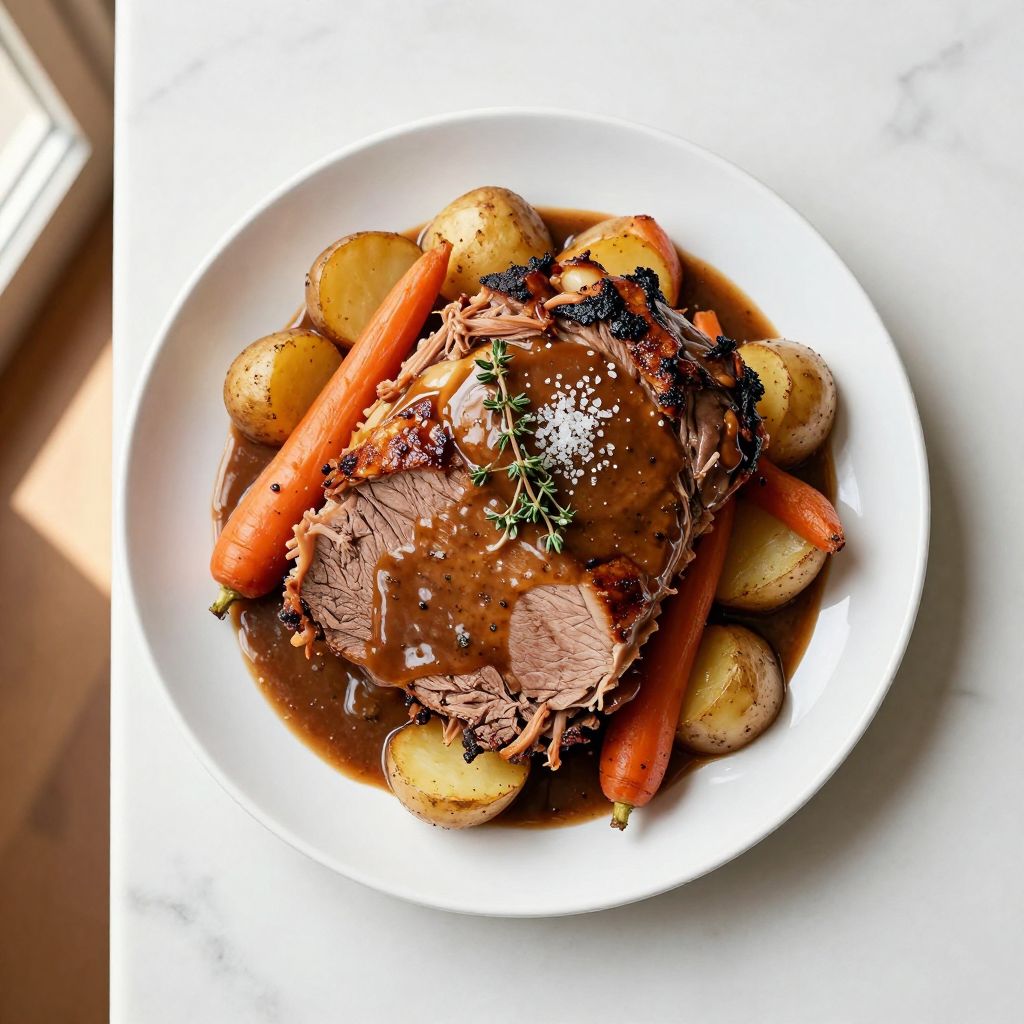
There’s nothing quite like opening your oven to find your kitchen filled with the rich, savory aroma of a perfectly seasoned pot roast. A pot roast seasoning recipe is your secret weapon for transforming a humble cut of beef into a dish that tastes like it took all day to make, even when you’re juggling a busy schedule.
This blend works magic because it combines warm spices, dried herbs, and umami-rich ingredients that layer flavor into every fiber of the meat. The beauty of making your own seasoning is that you control the salt level, you skip the anti-caking agents, and you spend just pennies compared to store-bought blends.
Why You’ll Love This Recipe
A homemade pot roast seasoning mix is versatile, affordable, and puts you in complete control of what goes into your food. You’ll use it again and again once you taste the difference it makes.
- Perfect balance of savory, earthy, and slightly sweet notes that enhance beef without overpowering it
- Takes five minutes to blend together and lasts for months in your pantry
- Works on pot roasts, stews, ground beef, roasted vegetables, and even popcorn
- No mysterious additives or excessive sodium like commercial blends
- Costs a fraction of what you’d pay for packets at the grocery store
My Experience Making This Recipe
I started making my own pot roast seasoning after buying a pre-made packet that tasted oddly flat and salty. Within two minutes of mixing my own blend, I knew I’d never go back.
The first time I used it was on a Sunday when family was coming over and I had limited time in the kitchen. I rubbed the seasoning onto a three-pound chuck roast, let it sit for thirty minutes, and let the slow cooker do the work for six hours.
When my sister walked through the door, she stopped and said, “What is that smell?” That’s when I knew the seasoning was working. The roast came out so tender that people were fighting over the last bites, and I genuinely felt proud serving something I’d seasoned myself from scratch.
Recipe Overview
- Recipe Name: Homemade Pot Roast Seasoning Mix
- Servings: Makes about 1/3 cup (enough for 3 to 4 pot roasts)
- Prep Time: 5 minutes
- Cook Time: 0 minutes
- Total Time: 5 minutes
- Course: Spice Blend
- Cuisine: American
- Calories per Serving: 5 calories per teaspoon
Equipment You Will Need
- Small mixing bowl
- Measuring spoons
- Whisk or fork
- Spoon for stirring
- Glass jar with a tight-fitting lid for storage
- Mortar and pestle (optional, for crushing whole spices)
Ingredients for Pot Roast Seasoning
- 2 tablespoons onion powder
- 2 tablespoons garlic powder
- 2 tablespoons dried thyme
- 1 tablespoon dried rosemary
- 1 tablespoon paprika
- 1 tablespoon black pepper
- 1 tablespoon kosher salt
- 1 teaspoon dried oregano
- 1 teaspoon celery seed
- 1/2 teaspoon cayenne pepper
Ingredient Notes and Substitutions
- Onion powder adds sweetness and depth without adding moisture to the blend. If you don’t have it, double the garlic powder, though the flavor profile will shift slightly more toward garlic.
- Garlic powder is essential for savory backbone and aroma. Fresh garlic won’t work here since moisture will cause the mix to clump and spoil faster.
- Dried thyme is the signature herb in pot roast seasoning because it complements beef beautifully and stays flavorful even after long cooking. Dried oregano can replace half the thyme if you prefer a more Mediterranean lean.
- Dried rosemary brings woody, piney notes that elevate the blend. Dried sage works as a one-to-one swap if you prefer earthier flavors over the pine notes.
- Paprika adds color, mild sweetness, and depth without heat. Smoked paprika will shift the flavor toward a smokehouse taste, which works great if you like that vibe.
- Black pepper provides sharpness and complexity. Freshly cracked pepper has more flavor than pre-ground, so grind your own if possible.
- Kosher salt brings out all the other flavors and helps the seasoning cling to meat. You can use sea salt as a one-to-one swap, but avoid iodized table salt, which tastes metallic in large quantities.
- Celery seed adds a subtle vegetal sweetness and brightness. Leave it out if you don’t have it; the blend will still work beautifully.
- Cayenne pepper adds a whisper of heat that deepens the savory notes. Skip it if you prefer zero spice, or double it if you like more kick.
How to Make Pot Roast Seasoning
Step 1: Gather All Your Dry Ingredients
Pull out all your jars and containers of spices before you start mixing. Having everything visible makes it easy to double-check measurements and catch any ingredients you might forget, which saves you from cursing yourself later when your blend is already mixed.
Step 2: Measure the Onion and Garlic Powder
Pour two tablespoons of onion powder into your small mixing bowl, then add two tablespoons of garlic powder. These two ingredients form the savory foundation of the entire blend, so measure carefully.
Step 3: Add the Dried Herbs
Measure one tablespoon of dried thyme and add it to the bowl. Follow with one tablespoon of dried rosemary and one teaspoon of dried oregano, stirring gently as you go.
The dried herbs are the reason this seasoning smells so incredible. If your dried herbs are more than a year old, they’ve lost potency, so consider replacing them for better flavor impact.
Step 4: Incorporate the Paprika and Pepper
Add one tablespoon of paprika to the bowl, then one tablespoon of freshly cracked black pepper. Stir everything together so the colors start to blend and distribute evenly.
The paprika will give your mix that warm, rusty color, while the pepper flecks will be visible throughout. This is where the blend starts looking like something special rather than just a pile of powders.
Step 5: Mix in the Salt and Celery Seed
Sprinkle one tablespoon of kosher salt over the mixture and add one teaspoon of celery seed. Whisk everything together for about thirty seconds using a fork or whisk to break up any clumps and distribute the salt evenly.
Salt crystals can clump together, so whisk thoroughly to ensure no pocket of pure salt ends up on your pot roast. The celery seed will soften slightly as the blend sits, releasing its flavor more slowly over time.
Step 6: Add the Cayenne Pepper
Measure out one-half teaspoon of cayenne pepper and sprinkle it into the bowl. Whisk the entire mixture for another thirty seconds until the cayenne is evenly distributed and you see no concentrated red spots.
Cayenne is potent, so uneven distribution means some bites of your pot roast will be way spicier than others. Whisking thoroughly ensures consistent heat throughout the blend.
Step 7: Taste and Adjust
Pinch a tiny bit of the dry mixture between your fingers and taste it. Your mouth will instantly tell you if the balance feels right or if you need to dial something up.
If it tastes too salty, you added too much salt and you’ll need to start over with fresh ingredients. If it tastes flat, add another quarter teaspoon of garlic powder or thyme and whisk again.
Step 8: Transfer to Storage Container
Scoop the finished seasoning into a clean glass jar with a tight-fitting lid. Make sure the lid seals completely so air doesn’t get in and steal the flavor of your blend over time.
Label the jar with the date you made it using a permanent marker on the lid or on a small label. Homemade seasoning blends stay fresh and potent for about six months when stored in a cool, dry place away from heat and sunlight.
Pro Tip: Store your pot roast seasoning in a cool, dark pantry, never above the stove where heat and steam will break down the flavors and cause the blend to clump.
Tips for the Best Pot Roast Seasoning
- Buy your spices from a store with high turnover, where they haven’t been sitting on shelves for a year slowly losing flavor. Fresher spices mean a more vibrant blend.
- Crush dried rosemary leaves between your palms before adding them to break them into smaller pieces and release their oils. Whole leaves can be tough and chewy on your finished pot roast.
- Make a double or triple batch and keep jars in your freezer to extend shelf life beyond six months. Frozen seasoning blends stay potent for up to a year.
- Use two to three tablespoons of this blend per three to four-pound pot roast, adjusting based on how salty you like your food. You can always add more, but you can’t take it back.
- Rub the seasoning directly onto the meat thirty minutes to two hours before cooking so the flavors have time to penetrate the surface. A quick rub right before cooking is better than nothing, but longer contact time always wins.
Common Mistakes to Avoid
- Using stale spices that lost their potency months ago results in a flat, one-dimensional blend that tastes like cardboard. Replace your spice cabinet every eighteen months.
- Skipping the whisking step leads to uneven distribution where some parts of your pot roast taste wildly different from others. Take thirty seconds and whisk properly.
- Adding too much salt and trying to compensate by increasing other spices throws off the entire balance of the blend. Measure salt carefully and taste as you go.
- Storing the blend in a cabinet above your stove exposes it to heat and humidity that breaks down the spices fast. Choose a cool, dark pantry instead.
- Using table salt instead of kosher salt throws off your measurements and makes the blend taste metallic and harsh. Kosher salt grains are larger, so one tablespoon of table salt is actually more salt than one tablespoon of kosher salt.
Serving Suggestions
This seasoning blend is a workhorse in the kitchen that goes far beyond traditional pot roast. Use it anywhere you want that classic beef and herb flavor profile to shine.
- Rub it on beef short ribs or brisket before slow cooking or smoking for incredible depth
- Mix it into ground beef for meatballs, meatloaf, or hamburger patties that taste restaurant-quality
- Sprinkle it on roasted root vegetables like carrots, potatoes, parsnips, and onions for savory vegetable sides
- Dust it on popcorn with melted butter for a savory snack that beats any store-bought seasoning
- Blend it into softened butter to make compound butter for steaks, roasted chicken, or crusty bread
Variations to Try
- French-style pot roast blend: reduce the paprika to one teaspoon, add one tablespoon of dried tarragon, and add one teaspoon of Dijon mustard powder for brightness and sophistication.
- Smokehouse blend: swap regular paprika for smoked paprika and add one teaspoon of liquid smoke powder to create a deep, campfire-like flavor perfect for smoking beef.
- Italian-inspired blend: reduce thyme to one teaspoon, increase oregano to two teaspoons, add one teaspoon of dried basil, and include one teaspoon of dried fennel seed for an herbaceous, Mediterranean lean.
- Texas chili blend: keep the base recipe but add one tablespoon of chili powder, one teaspoon of cumin, and increase cayenne to one teaspoon for a spicier, chili-forward flavor.
- Umami-packed blend: add one tablespoon of dried mushroom powder and one teaspoon of nutritional yeast to deepen the savory, meaty notes and make the beef taste even richer.
Dietary Adaptations
- Gluten-free: this blend is naturally gluten-free, but always check your spice jars to make sure they weren’t processed in facilities with gluten or packed with gluten-containing additives.
- Dairy-free: this blend contains no dairy and works perfectly on its own or mixed into dairy-free butter alternatives for compound butter applications.
- Vegan: the blend is completely plant-based, though the recipes it seasons are traditionally meat-based; use it on mushrooms, lentils, beans, or plant-based meat alternatives for vegan pot roast applications.
- Low-carb and keto: this blend is zero-carb and perfect for keto cooking; use it on fatty cuts of beef, pork belly, or salmon for flavor without carbs.
- Low-sodium: create a version with half the kosher salt and compensate by adding one-half teaspoon each of garlic powder and onion powder to maintain depth while reducing sodium.
Storage and Reheating
Refrigerator
Store your homemade seasoning blend in a tightly sealed glass jar in the refrigerator if you prefer extra-long storage and live in a very humid climate. It will stay fresh and potent for up to one year when kept cold.
- Keep the jar on a shelf toward the back where it stays coldest and most stable
- Check the seal each time you open it to make sure moisture hasn’t gotten inside
- Bring the jar to room temperature before opening if it was cold, which prevents condensation inside the container
Freezer
Freezing is the best way to extend the life of your blend if you make large batches and don’t use them quickly. The cold protects the spices from light, heat, and oxidation.
- Divide the blend into smaller jars so you only thaw what you need
- Label jars clearly with contents and freeze date
- Frozen seasoning blends stay potent for up to eighteen months
Reheating
This is a dry spice blend, so there’s no reheating involved. Just scoop out what you need, use it on your food, and return the jar to storage.
- Use a clean, dry spoon each time you scoop to prevent moisture from entering the jar
- If you notice clumping, break it apart with a fork or spoon before using
Nutrition Information
| Nutrient | Amount |
|---|---|
| Calories | 5 per teaspoon |
| Total Fat | 0.2g |
| Saturated Fat | 0g |
| Carbohydrates | 1g |
| Fiber | 0.2g |
| Sugar | 0.1g |
| Protein | 0.2g |
| Sodium | 580mg per teaspoon |
| Cholesterol | 0mg |
These values are estimates based on the ingredients listed and may vary slightly depending on the specific brands and sources of your spices. This blend is a seasoning, so you’ll use small amounts per serving of finished food, making the nutritional impact minimal.
Frequently Asked Questions
Can I use fresh herbs instead of dried herbs?
Fresh herbs contain much more water, which will cause your blend to clump and spoil quickly. Stick with dried herbs, but add about three times the amount of fresh herbs if you’re creating a paste-style seasoning instead of a dry blend.
How long does this seasoning last once made?
Stored properly in a cool, dark, dry pantry in a sealed container, your blend will stay fresh and potent for about six months. Refrigerating or freezing extends that to one year or beyond.
Can I make this into a wet rub or paste?
Absolutely. Mix your dry blend with olive oil, minced fresh garlic, and a bit of tomato paste to create a wet rub that clings beautifully to meat before slow cooking. This version needs to be used within a few days and should be stored in the refrigerator.
What if my blend tastes too salty or not salty enough?
Taste a tiny pinch and adjust by adding salt one-quarter teaspoon at a time if it needs more salt, or start over if it’s too salty. Once you’ve made it once and tasted it, you’ll know exactly how much salt you prefer for future batches.
Can I use this on chicken or pork?
Yes, this blend works beautifully on any protein you want to season. For chicken, use about one tablespoon per whole chicken, and for pork, use one tablespoon per two to three-pound cut, adjusting to your salt preference.
Is this blend spicy?
The cayenne pepper adds only a whisper of heat, so this blend is mild and family-friendly. Increase the cayenne to one teaspoon if you prefer noticeably spicy, or omit it entirely if you’re sensitive to heat.
Final Thoughts
Making your own pot roast seasoning is one of those small kitchen victories that compounds over time. Once you taste the difference a truly fresh, balanced blend makes, you’ll never go back to buying packets again.
Your next pot roast is waiting, and now you have the tools to make it taste absolutely incredible. Mix up a batch this weekend and watch your dinner guests wonder what your secret is.
If you enjoyed this homemade seasoning blend, you might also love exploring other kitchen staples you can make from scratch. Try making your own chili seasoning recipe or poultry seasoning recipe for more versatile blends that taste infinitely better than store-bought options.
Homemade Pot Roast Seasoning Mix
Ingredients
Equipment
Method
- Step 1: Gather all your jars and containers of spices and equipment.
- Step 2: Measure 2 tablespoons onion powder and 2 tablespoons garlic powder into the mixing bowl.
- Step 3: Add 2 tablespoons dried thyme, 1 tablespoon dried rosemary, and 1 teaspoon dried oregano, stirring gently as you add each herb.
- Step 4: Stir in 1 tablespoon paprika and 1 tablespoon black pepper until the colors begin to blend evenly.
- Step 5: Add 1 tablespoon kosher salt and 1 teaspoon celery seed, then whisk for 30 seconds to break up any clumps.
- Step 6: Sprinkle in 1/2 teaspoon cayenne pepper and whisk for another 30 seconds until no concentrated red spots remain.
- Step 7: Taste a small pinch and adjust seasoning if needed by adding a bit more garlic powder or thyme for balance.
- Step 8: Transfer the finished seasoning into a clean glass jar, seal with a tight-fitting lid, label with the date, and store in a cool, dry place.